English
 عربى
عربى Türk
Türk Español

Content
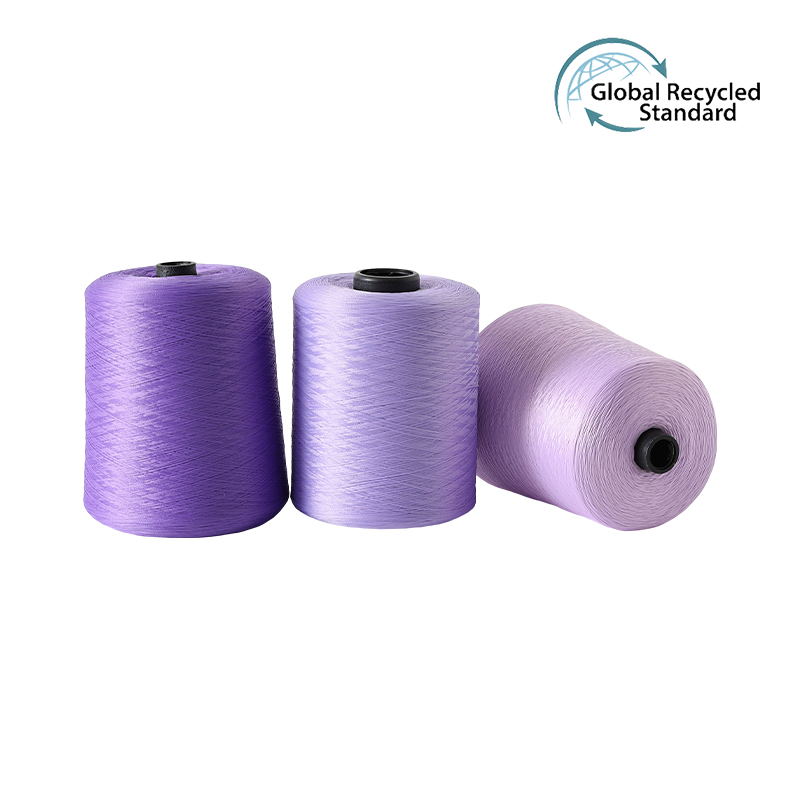
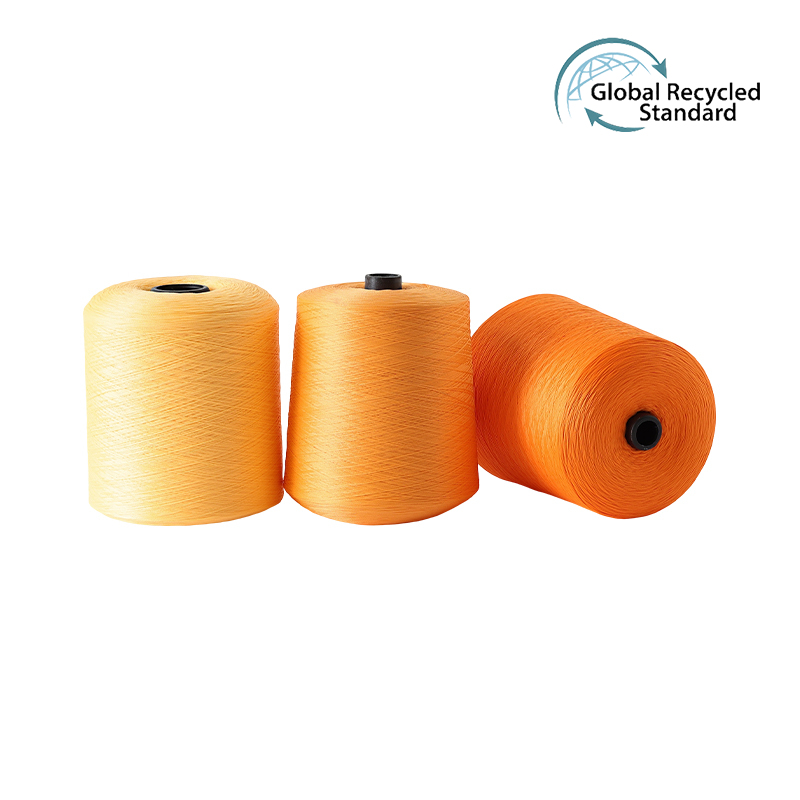
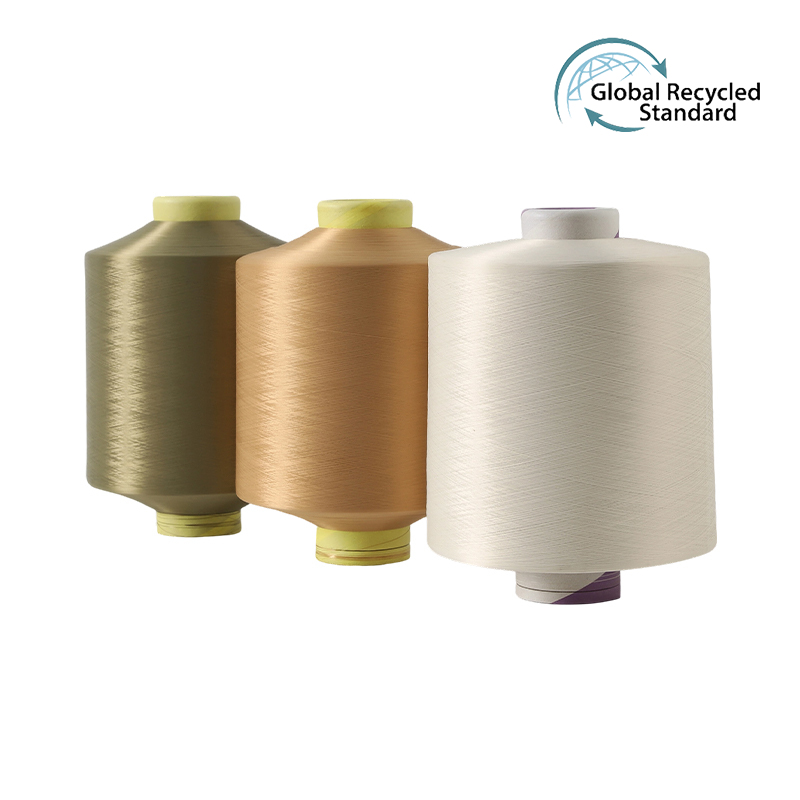
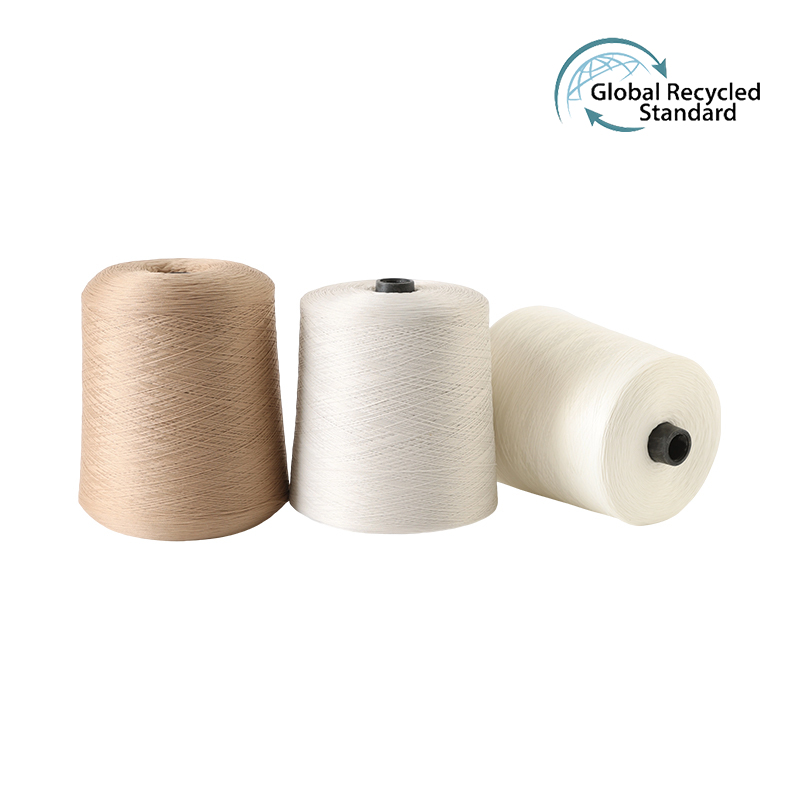
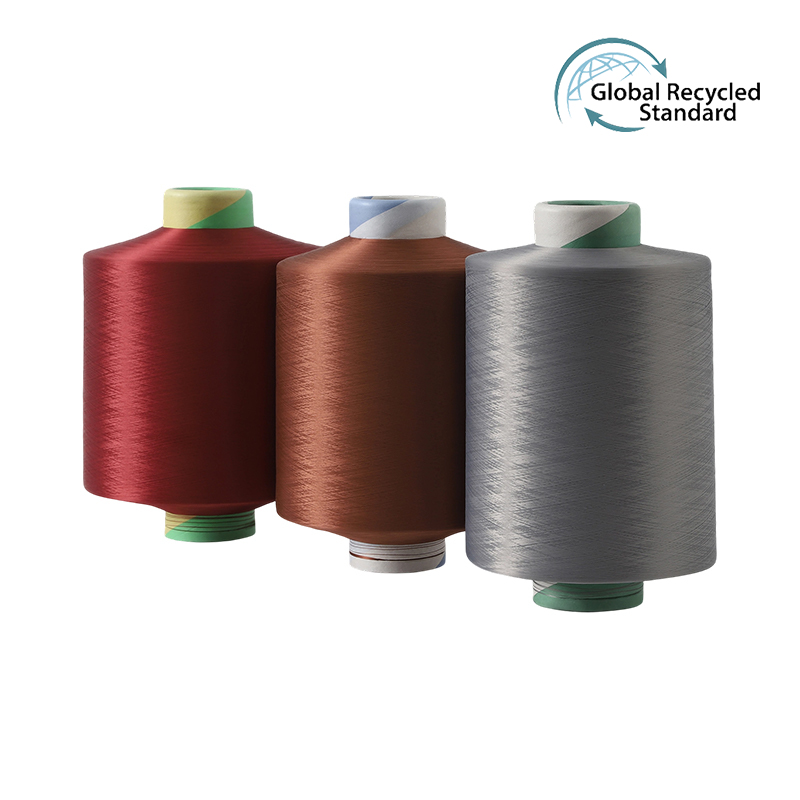
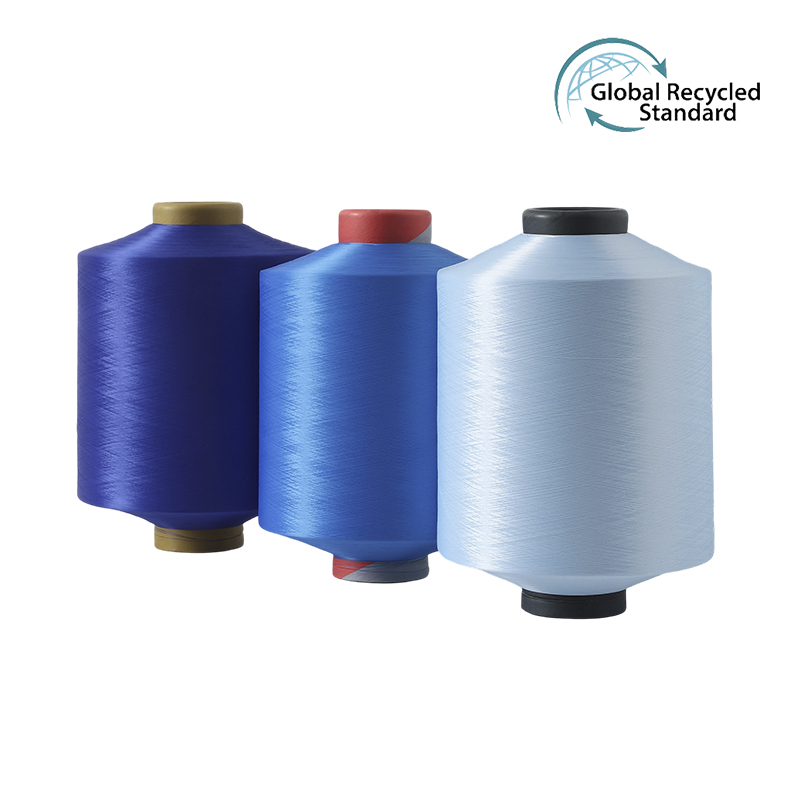
DTY polyester yarn stands for Draw Textured Yarn, a type of polyester filament yarn that has been mechanically crimped or textured to give it a soft, bulky feel similar to natural fibers like cotton or wool. It is one of the most widely used yarns in the textile industry due to its excellent elasticity, wrinkle resistance, and versatility. The yarn is produced by processing Partially Oriented Yarn (POY) through simultaneous drawing and texturing, which introduces permanent crimps and loops into the otherwise straight filament structure. This process transforms the flat, silk-like POY into a voluminous, stretchable yarn suitable for a vast range of fabrics, from sportswear to home furnishings.
Understanding the Manufacturing Process of DTY
To truly understand DTY, it is essential to look at its creation. The journey begins with polyester chips derived from purified terephthalic acid and monoethylene glycol. These chips are melted and extruded through a spinneret to form POY, which is only partially stretched and has an unstable molecular structure. The POY is then fed into a high-speed texturing machine, the core of DTY production.
In the texturing zone, the POY passes through a heated primary heater, a false-twist spindle, and a cooling plate. The false-twist spindle twists, heats, untwists, and cools the yarn in a continuous sequence, permanently setting the crimped structure into the individual filaments. This is a purely mechanical process; no chemical additives are required to create the texture. Modern machines can operate at speeds reaching 1,000 meters per minute, with precise temperature control between 200°C and 230°C to ensure consistent crimp uniformity. The resulting DTY is immediately wound onto packages, ready for knitting or weaving.
Key Physical and Mechanical Properties
The value of DTY polyester yarn lies in its engineered characteristics, which can be adjusted during texturing to suit different end-uses. Its performance profile is distinct from both POY and Fully Drawn Yarn (FDY).
- Crimp and Bulk: The primary attribute is the three-dimensional crimp, which traps air and provides bulk without extra weight. Crimp contraction values typically range from 15% to 35%, depending on the desired stretch level.
- Elongation and Elasticity: DTY exhibits a high elongation at break, generally between 20% and 35%. Its crimp memory provides excellent recovery from stretching, making it ideal for activewear that must retain its shape.
- Durability: With a tenacity of 3.5 to 4.5 grams per denier, DTY offers high tensile strength and resistance to abrasion. This is significantly stronger than rayon and most natural staple yarns.
- Thermal and Moisture Behavior: The yarn has a softening point around 230°C to 240°C. Its low moisture absorption (approximately 0.4% standard regain) facilitates rapid drying and superior wicking, a critical factor in performance textiles.
Common Intermingle and Twist Variations
DTY is rarely used as a simple, twisted filament bundle. Producers apply intermingling nozzles or twist settings to modify cohesion and appearance, creating specialized subtypes identified by acronyms like SIM, HIM, and NIM.
| Variable Type | Typical Knots/Meter | Fabric Aesthetic | Common Application |
|---|---|---|---|
| Standard (SIM) | 40-60 | Clean, smooth surface | Lingerie, shirting |
| High Intermingle (HIM) | 100-120 | Firm, compact, lint-free | Circular knitting, automotive |
| Non-Intermingle (NIM) | 0 | Flat, drapeable, parallel filaments | Georgette, silk-like weaves |
DTY vs. Other Polyester Yarn Types
A practical understanding requires distinguishing DTY from its counterparts, particularly FDY and Spun Polyester. Each occupies a distinct niche in textile manufacturing based on its structural formation.
DTY and FDY: Structure Defines Function
FDY is fully oriented and straight, offering a shiny, silk-like handle with zero crimp. It is produced for smoothness and high luster. In contrast, DTY is intentionally distorted. When you need a matte finish, cotton-like touch, or bulk, DTY is the correct choice. An FDY fabric will have a 5-7% higher sheen index but significantly less air permeability than an equivalent DTY fabric.
DTY and Spun Polyester
Spun polyester is made from staple fibers cut to short lengths and twisted together like cotton. It generates significant pilling and fibril shedding over time. DTY, being a continuous filament yarn, is inherently lint-free and pill-resistant. This makes DTY the preferred choice for high-cycle-use items like uniforms or frequently washed activewear, where surface integrity is non-negotiable.
Critical Process Control Parameters
For textile engineers and fabric developers, controlling the input parameters during texturing is non-negotiable for achieving consistent dye uptake and fabric quality. Variations in these parameters directly cause visible defects like barré or stripeiness in finished fabrics.
The most sensitive parameter is the draw ratio, typically set between 1.6 and 1.8. A deviation of just 0.02 alters the tension and can lead to differential dye absorption. Similarly, the D/Y ratio (the speed ratio between the friction disc and the yarn) must be maintained within a strict range, usually 2.2 to 2.5 for standard polyester, to avoid broken filaments known as “tights.” The primary heater temperature is another critical point; a drop of 3-4°C is enough to reduce crimp stability, causing the final fabric to shrink unpredictably during finishing. Data logging on modern machines now captures these variables in real-time, allowing mills to reject defective packages before they reach the knitting floor.
Major Application Domains
The adaptability of DTY allows it to span across virtually every textile sector. Its specific denier and filament count are engineered for targeted end-uses, from the finest microfibers to heavy coarse knits.
- Sportswear and Activewear: The combination of moisture wicking and four-way stretch makes fine-filament DTY, especially in deniers like 75/72 or 150/144, the standard for compression tops and yoga leggings. The structure acts as a capillary network, pulling sweat away from the skin.
- Home Textiles: Coarse deniers such as 300/96 or 600/192 are heavily used in upholstery, curtains, and mattress ticking. The bulk provides a soft hand feel, while the inherent strength offers the high abrasion resistance of over 50,000 Martindale cycles required in residential and contract furniture.
- Fashion and Woven Items: DTY blends with viscose or cotton in suiting shirting, providing wrinkle recovery that keeps garments sharp without ironing. Sheath-core air-textured DTY variants create wool-like aesthetics for winter jackets.
- Technical Textiles: In automotive interiors, high-tenacity DTY forms the base fabric for seat covers and headliners, meeting stringent UV resistance and flame-retardancy standards. It is also used in sports footwear uppers for seamless heat-pressed molding.
Current Developments and Environmental Adjustments
The DTY sector is actively evolving in response to demands for sustainability. The most significant shift is the growing volume of recycled DTY, which is mechanically or chemically regenerated from post-consumer PET bottles. This material achieves a carbon footprint reduction of approximately 54% compared to virgin polyester DTY, according to a life cycle assessment by the Textile Exchange.
Another notable innovation is the development of cationic-dyeable DTY, which can be dyed at atmospheric pressure and lower temperatures, typically 98°C instead of 130°C. This allows mills to create two-tone melange effects when blended with regular disperse-dyeable polyester in a single dye bath, significantly reducing water and energy consumption. Solution-dyed DTY, where pigment is added during the melt-spinning stage, eliminates the dyeing step entirely and provides superior colorfastness with a lightfastness rating exceeding Grade 7 on the blue wool scale.