English
 عربى
عربى Türk
Türk Español

Content
- 1 Understanding POY Yarn and Why Combining Matters
- 2 Key Benefits of Combining POY Yarn
- 3 Common Methods Used to Combine POY Yarn
- 4 Typical Equipment Used in POY Yarn Combining
- 5 Quality Control Factors in Combined POY Yarn
- 6 Applications of Combined POY Yarn
- 7 Cost Optimization Strategies When Combining POY Yarn
- 8 Troubleshooting Common Issues in POY Yarn Combining
- 9 Sustainability and Future Trends in POY Yarn Processing
- 10 Conclusion: Maximizing Value Through Smart POY Yarn Combining
Understanding POY Yarn and Why Combining Matters
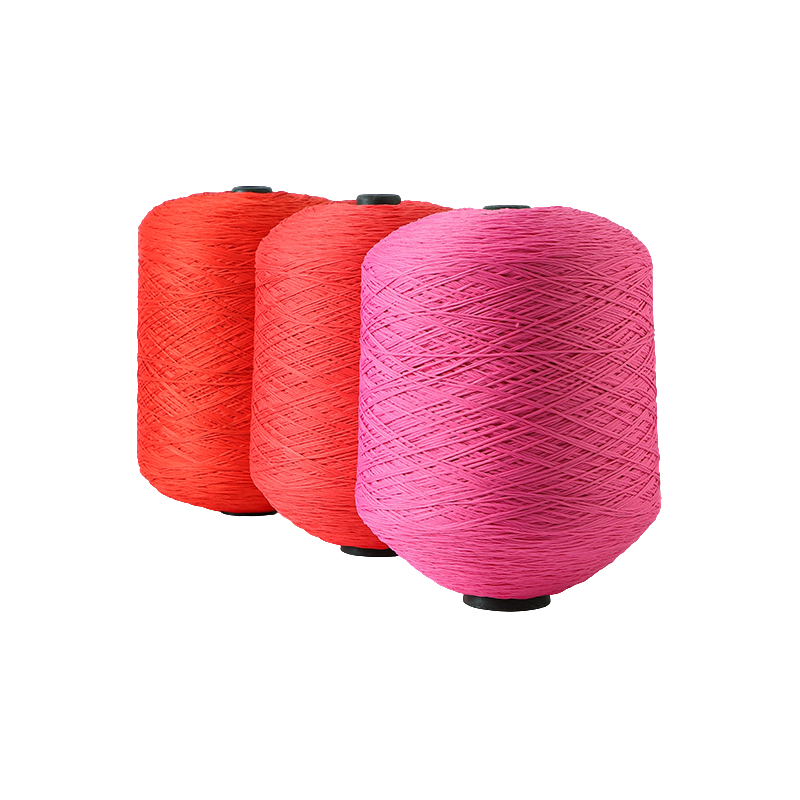
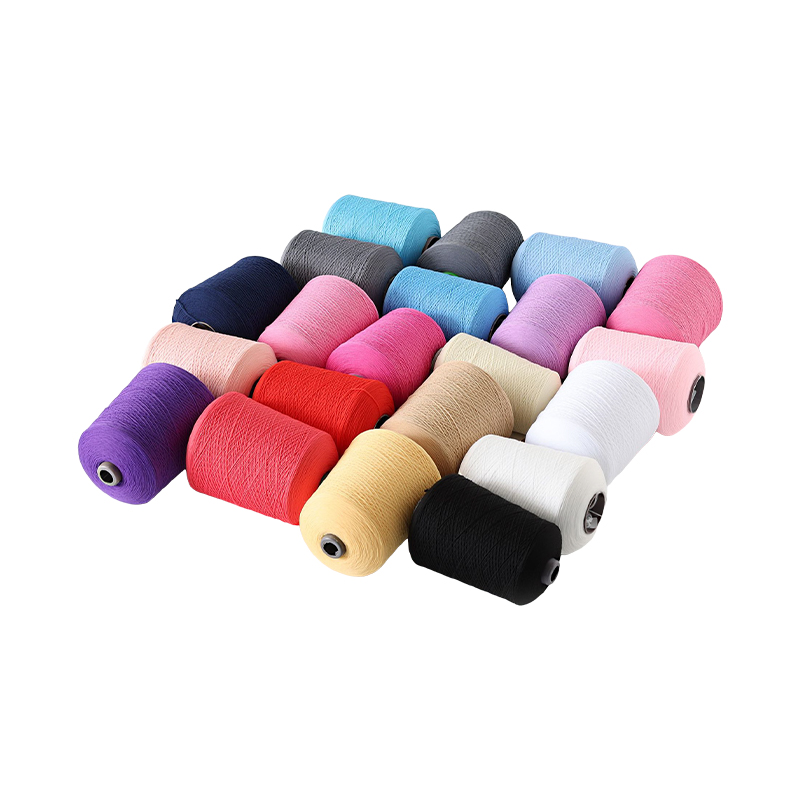
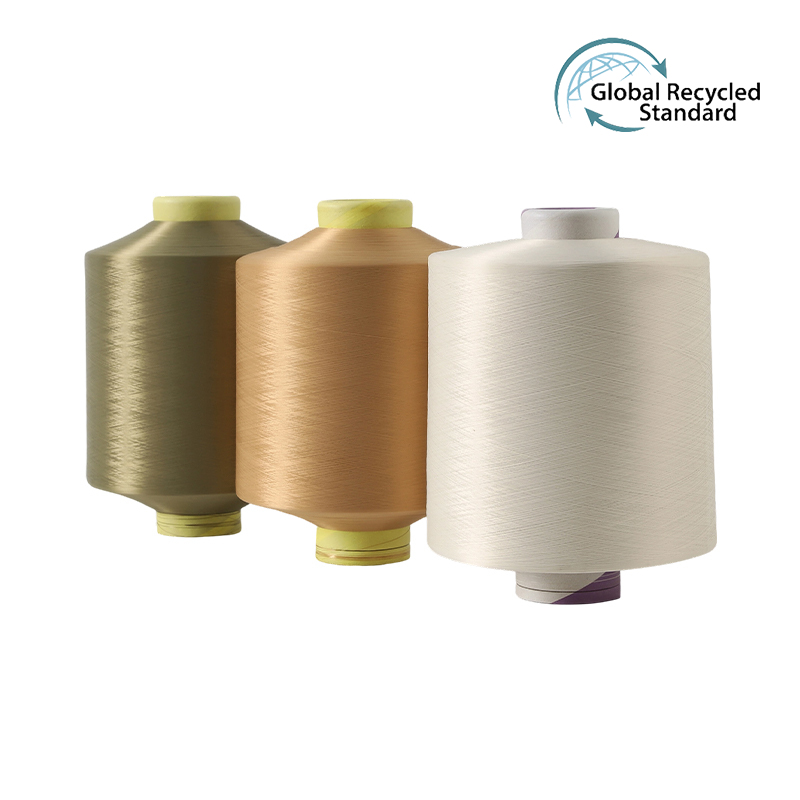
Partially Oriented Yarn (POY) is a widely used intermediate polyester filament yarn produced through high-speed spinning. It serves as the base material for Draw Textured Yarn (DTY) and Fully Drawn Yarn (FDY). While POY is cost-effective and flexible in processing, its relatively low tensile strength and molecular orientation limit its direct application in demanding textile products.
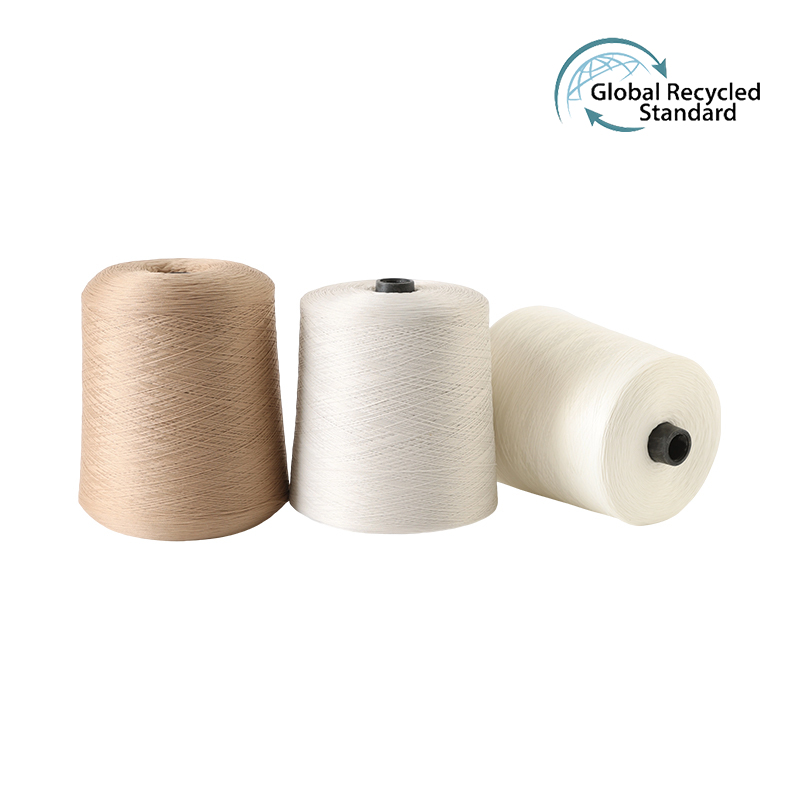
Combining POY yarn involves twisting, doubling, or merging multiple filaments to enhance strength, consistency, and processability. This method allows manufacturers to create yarn structures suitable for high-performance fabrics, industrial textiles, and durable apparel.
Key Benefits of Combining POY Yarn
- Improved tensile strength and resistance to breakage during weaving or knitting
- Better yarn uniformity and reduced hairiness
- Enhanced dye absorption and fabric appearance
- Greater flexibility in producing DTY, FDY, and specialty yarns
Common Methods Used to Combine POY Yarn
Twisting (Two-for-One or Ring Twisting)
Twisting is the most popular technique where two or more POY yarn ends are twisted together to form a stronger composite yarn. This improves cohesion and allows better handling in subsequent texturizing or weaving processes.
Doubling Without Twist
In applications where softness and bulk are required, multiple POY filaments may be combined without twisting. This technique is useful for nonwoven textiles, insulation fabrics, and cushioning materials.
Intermingling (Air Jet Entanglement)
Compressed air is used to entangle filaments, creating cohesion without mechanical twist. This produces smooth yarn with consistent strength and is commonly used before DTY processing.
Typical Equipment Used in POY Yarn Combining
| Twisting Machine | Applies controlled twist to combine multiple yarn ends |
| Intermingling Jet | Uses compressed air to entangle filaments |
| Precision Winder | Ensures uniform tension and package formation |
| Tension Control System | Maintains consistent yarn strength and quality |
Quality Control Factors in Combined POY Yarn
Successful combining requires strict monitoring of yarn parameters. Variations can result in weak spots, fabric defects, and production downtime.
- Tension consistency across all yarn ends
- Uniform twist per meter (TPM)
- Clean air pressure control for intermingling
- Regular inspection for filament breaks
Applications of Combined POY Yarn
Combined POY yarn serves as a critical raw material across multiple textile sectors:
- DTY yarn for sportswear, upholstery, and stretch fabrics
- FDY yarn for high-strength woven textiles
- Industrial fabrics such as conveyor belts and geotextiles
- Home textiles including curtains, carpets, and bedding
Cost Optimization Strategies When Combining POY Yarn
Manufacturers can improve profitability by carefully optimizing combining operations. Selecting compatible deniers, minimizing waste, and maintaining equipment precision reduces energy use and raw material loss.
Using intermingling instead of twisting in suitable applications can cut processing time while preserving yarn integrity. Additionally, predictive maintenance of twisting spindles prevents unexpected downtime.
Troubleshooting Common Issues in POY Yarn Combining
- Uneven twist causing weak yarn spots – adjust spindle speed
- Frequent filament breaks – recalibrate tension systems
- Poor entanglement – increase air pressure gradually
- Irregular winding – inspect rollers and guides
Sustainability and Future Trends in POY Yarn Processing
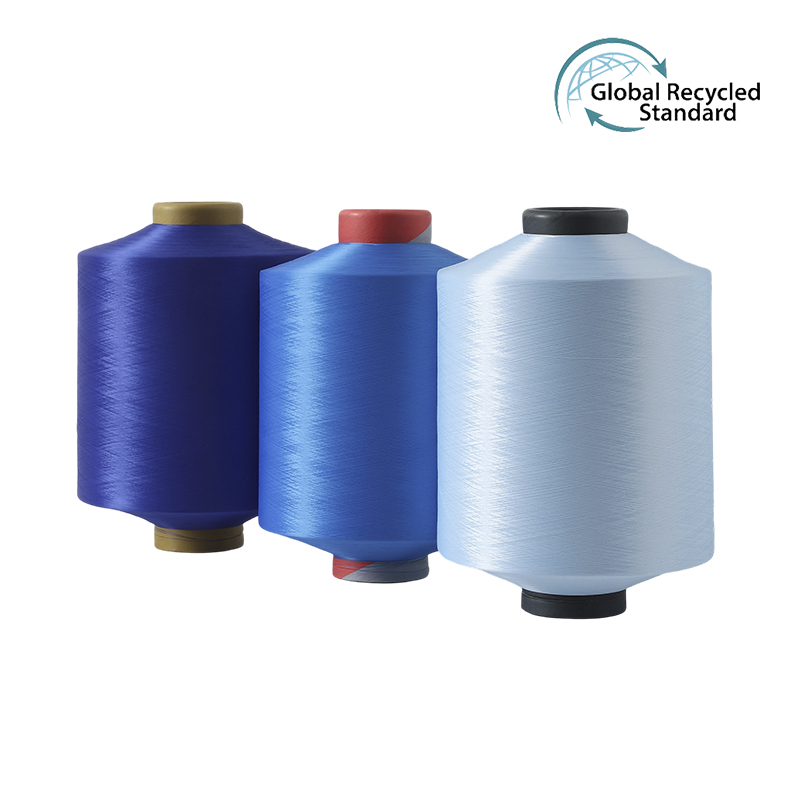
As textile manufacturers pursue eco-friendly production, combined POY yarn is increasingly produced using recycled polyester chips. Energy-efficient twisting machines and low-air-consumption intermingling systems are becoming standard.
Smart sensors and AI-based tension monitoring are also being integrated to ensure consistent yarn quality while minimizing waste—making POY yarn combining more sustainable and profitable.
Conclusion: Maximizing Value Through Smart POY Yarn Combining
Combining POY yarn is a foundational process in modern polyester textile manufacturing. Through twisting, intermingling, and careful quality control, manufacturers can significantly improve yarn strength, fabric performance, and production efficiency.
By adopting optimized methods and sustainable practices, businesses can meet growing market demands for high-quality synthetic yarn while keeping costs under control. Whether producing DTY, FDY, or industrial textiles, mastering POY yarn combining is key to long-term competitiveness.