English
 عربى
عربى Türk
Türk Español

Content
- 1 Understanding DTY Polyester Yarn and Its Role in Modern Textile Production
- 2 DTY Polyester Yarn Manufacturing Process Explained
- 3 Key Technical Parameters of DTY Polyester Yarn
- 4 Types of DTY Polyester Yarn and Their Practical Uses
- 5 Performance Advantages of DTY Polyester Yarn
- 6 DTY Polyester Yarn in Apparel Manufacturing
- 7 Applications in Home Textiles and Industrial Fabrics
- 8 Dyeing and Finishing Considerations for DTY Polyester Yarn
- 9 Quality Control and Selection Guidelines
- 10 Market Demand and Future Trends of DTY Polyester Yarn
Understanding DTY Polyester Yarn and Its Role in Modern Textile Production
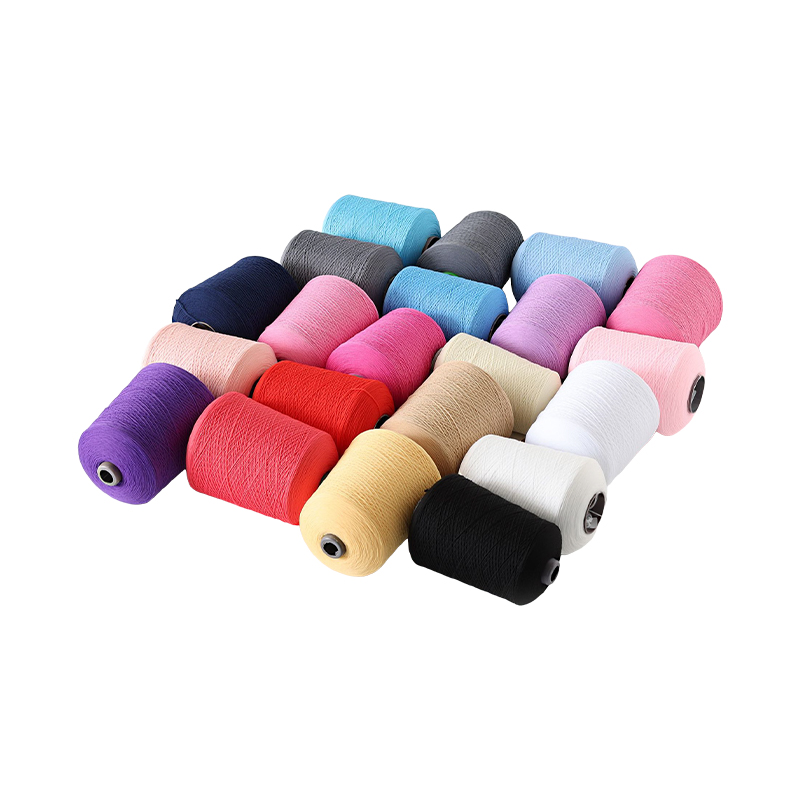
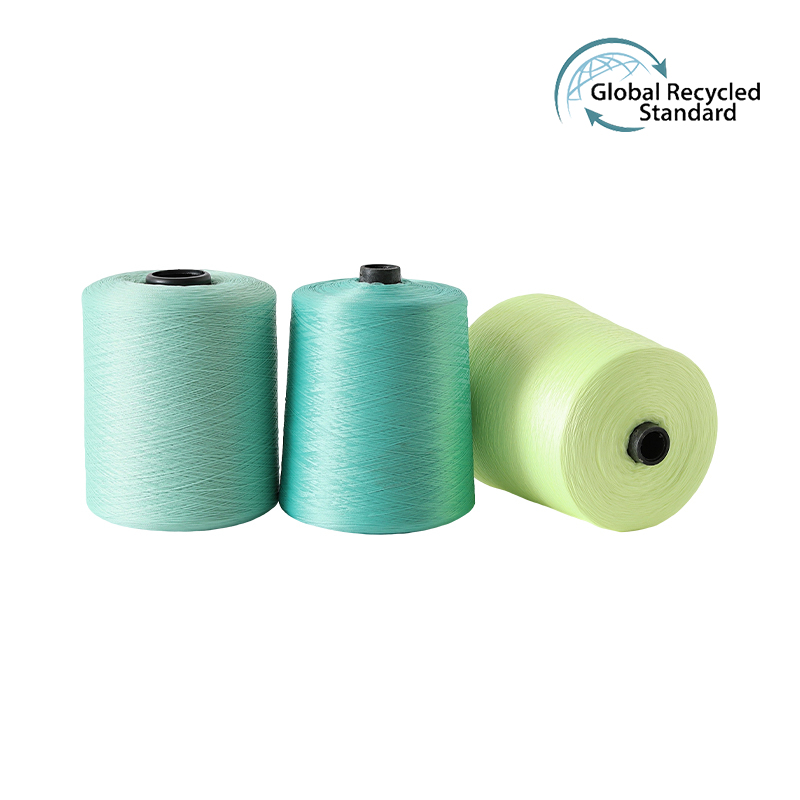
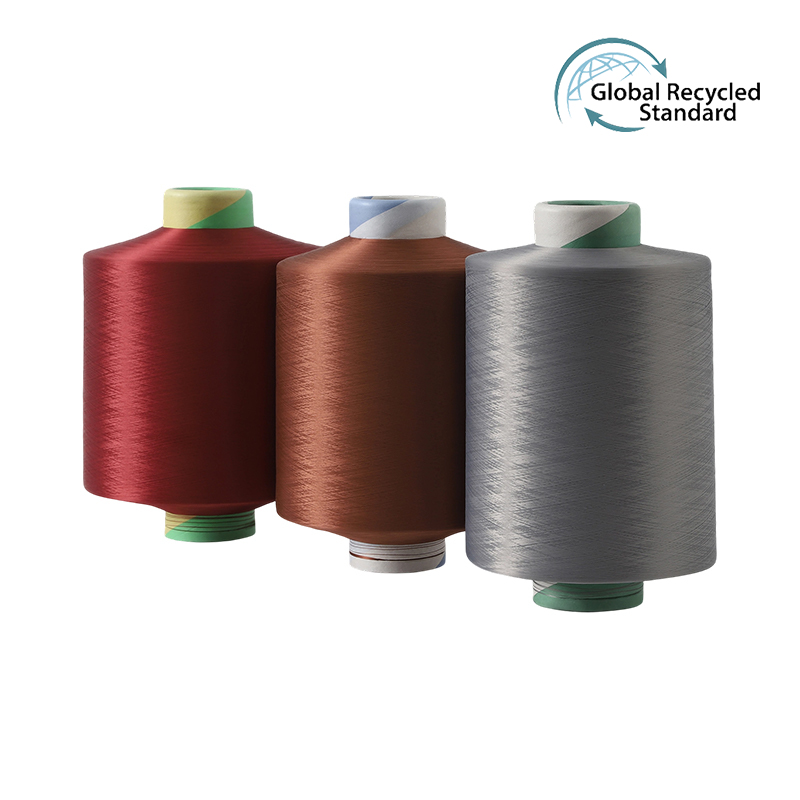
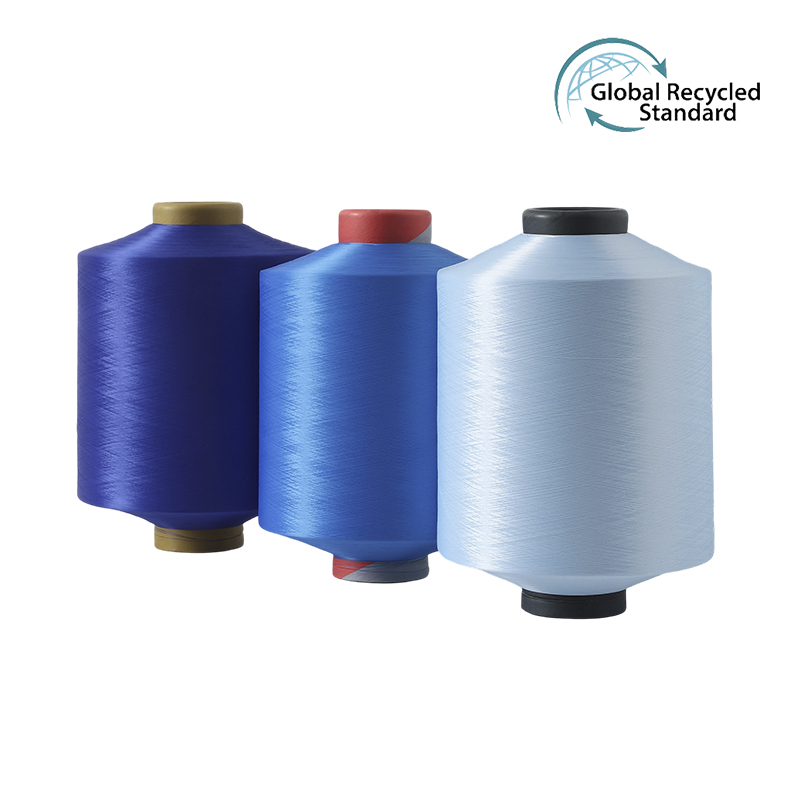
DTY polyester yarn, short for Draw Textured Yarn, is one of the most widely used synthetic yarns in today’s textile industry. It is produced by texturizing partially oriented yarn (POY) through drawing, twisting, heating, and cooling processes. This controlled deformation creates a yarn with bulk, elasticity, and softness while maintaining the strength and durability of polyester. DTY polyester yarn is extensively used in apparel, home textiles, and industrial fabrics because it balances performance, cost efficiency, and versatility.
DTY Polyester Yarn Manufacturing Process Explained
The production of DTY polyester yarn is a continuous and highly controlled process designed to impart crimp, stretch, and texture. The process begins with POY polyester yarn, which is fed into a texturizing machine. Through simultaneous drawing and false-twist texturing, the molecular structure of the filament is reoriented, enhancing elasticity and bulk.
Heat-setting is a critical step, as it stabilizes the newly formed crimps and ensures dimensional stability. Precise control of temperature, twist level, and draw ratio directly affects yarn properties such as elongation, shrinkage, and uniformity. Modern texturizing equipment allows manufacturers to produce consistent DTY yarn suitable for high-speed knitting and weaving applications.
Key Technical Parameters of DTY Polyester Yarn
Selecting the right DTY polyester yarn requires understanding its technical specifications. These parameters determine how the yarn will perform during fabric formation and in end-use conditions.
- Denier and Filament Count: Determines yarn thickness and fabric appearance, commonly ranging from 50D to 300D.
- Twist Level: Influences bulkiness, elasticity, and surface texture of the yarn.
- Elongation and Recovery: Critical for stretch fabrics such as sportswear and leggings.
- Shrinkage Rate: Affects fabric dimensional stability after dyeing and finishing.
Types of DTY Polyester Yarn and Their Practical Uses
DTY polyester yarn is available in several variations, each optimized for specific applications. Understanding these types helps buyers match yarn performance with fabric requirements.
| Type | Key Features | Typical Applications |
| SIM DTY | Uniform crimp, smooth texture | Knitted fabrics, casual wear |
| NIM DTY | Low bulk, higher strength | Woven fabrics, linings |
| HIM DTY | High elasticity and bulk | Sportswear, stretch garments |
Performance Advantages of DTY Polyester Yarn
DTY polyester yarn is favored by textile manufacturers due to its balanced performance characteristics. Compared with fully drawn yarn (FDY) or spun polyester yarn, DTY offers superior elasticity and bulk without sacrificing tensile strength.
Its resilience allows fabrics to maintain shape after repeated stretching and washing. Additionally, polyester’s inherent resistance to moisture, chemicals, and abrasion enhances fabric durability. These properties make DTY yarn suitable for high-wear applications such as activewear, upholstery, and automotive textiles.
DTY Polyester Yarn in Apparel Manufacturing
In apparel production, DTY polyester yarn is commonly used in knitted fabrics, including single jersey, rib, and interlock structures. Its elasticity improves wearer comfort, while its bulk contributes to better fabric coverage and warmth.
For sportswear and athleisure, DTY yarn supports moisture-wicking finishes and enhances stretch recovery. In fashion garments, it allows designers to achieve soft hand feel and consistent fabric appearance at competitive costs, making it a staple yarn in mass-market clothing.
Applications in Home Textiles and Industrial Fabrics
Beyond clothing, DTY polyester yarn plays an important role in home textiles such as curtains, upholstery, and bedding. Its dimensional stability ensures that finished products retain their shape after cleaning and long-term use.
In industrial textiles, DTY yarn is used in elastic tapes, narrow fabrics, and technical knits. Its controlled stretch and recovery properties contribute to functional performance in applications where flexibility and strength are both required.
Dyeing and Finishing Considerations for DTY Polyester Yarn
DTY polyester yarn is typically dyed using disperse dyes under high temperature and pressure. Uniform texturing ensures consistent dye uptake, which is essential for achieving even color shades across large fabric lots.
Finishing processes such as heat-setting, softening, and anti-pilling treatments further enhance fabric performance. Manufacturers must carefully control processing conditions to avoid excessive shrinkage or loss of elasticity during finishing.
Quality Control and Selection Guidelines
Consistent quality is critical when sourcing DTY polyester yarn. Buyers should evaluate parameters such as evenness, oil content, tensile strength, and crimp stability. Variations in these factors can affect fabric appearance and processing efficiency.
Working with experienced yarn suppliers and requesting sample testing before bulk orders helps reduce production risks. Clear communication of end-use requirements ensures that the selected DTY yarn performs reliably throughout the textile value chain.
Market Demand and Future Trends of DTY Polyester Yarn
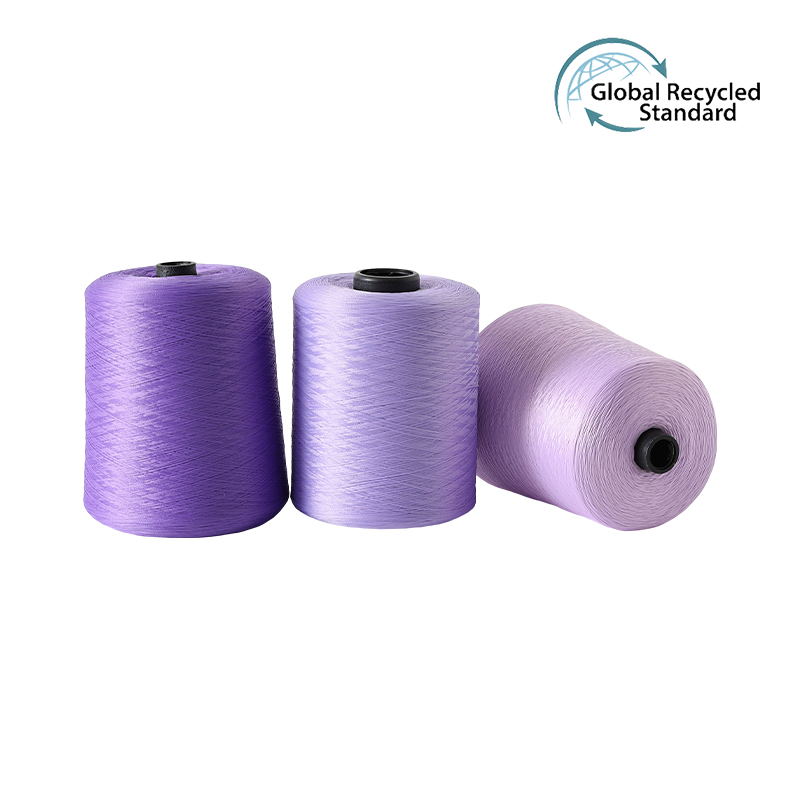
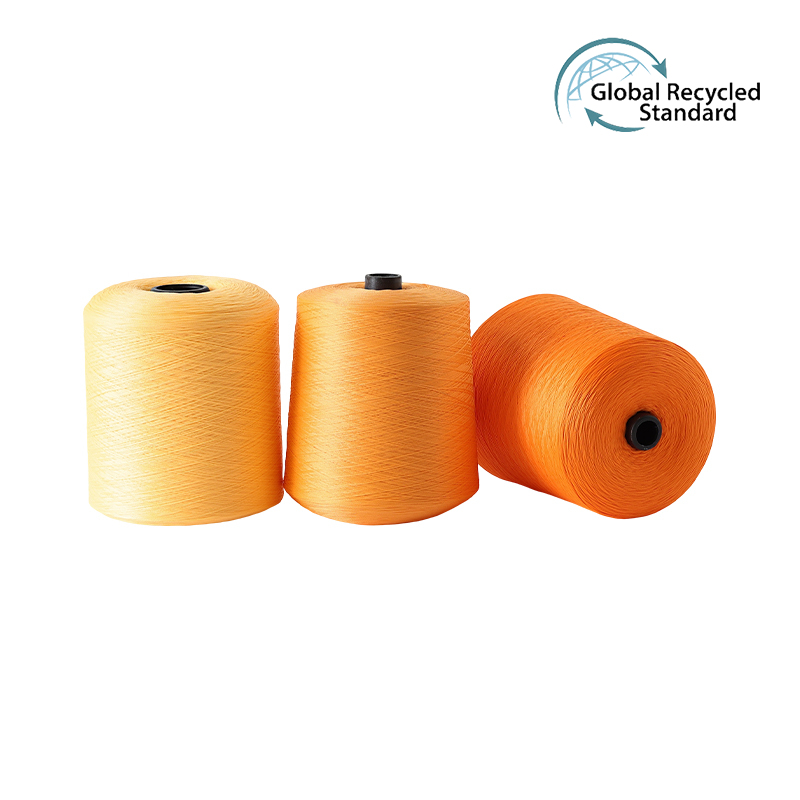
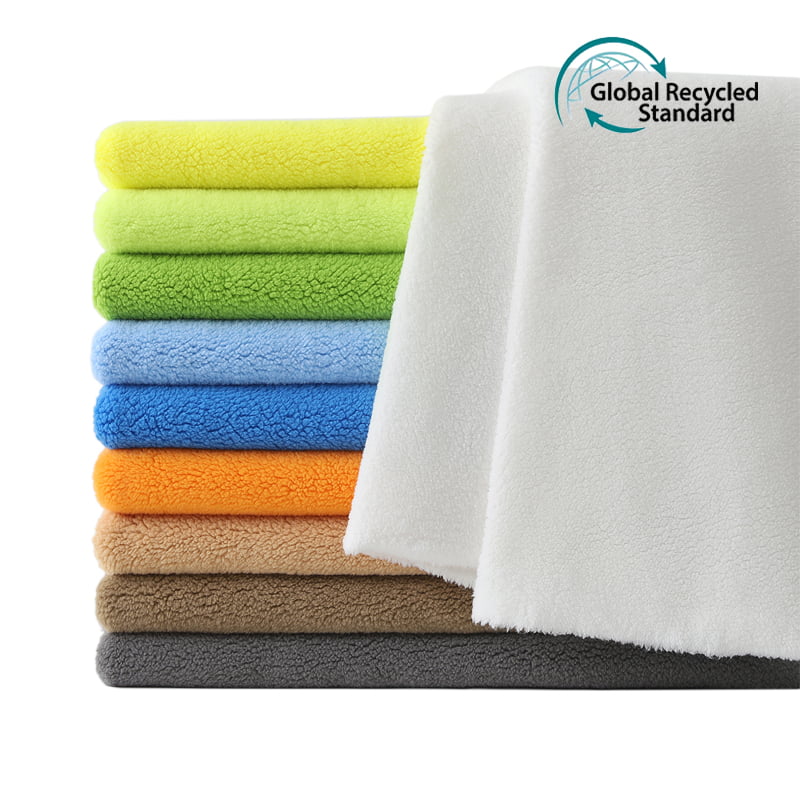
Global demand for DTY polyester yarn continues to grow due to expanding apparel consumption and increasing use of synthetic fibers. Sustainability trends are also influencing the market, with recycled polyester DTY gaining attention for reducing environmental impact.
Advancements in texturizing technology and energy-efficient production are expected to further improve yarn quality and cost efficiency. As functional textiles evolve, DTY polyester yarn will remain a core material supporting innovation in fabric performance and design.