English
 عربى
عربى Türk
Türk Español

Content
- 1 Understanding DTY Polyester Yarn and Its Role in Modern Textiles
- 2 DTY Polyester Yarn Manufacturing Process
- 3 Key Properties of DTY Polyester Yarn
- 4 Common Applications of DTY Polyester Yarn
- 5 DTY Polyester Yarn Specifications and Variations
- 6 Quality Control Factors When Choosing DTY Polyester Yarn
- 7 Sourcing and Cost Considerations for DTY Polyester Yarn
- 8 Future Trends in DTY Polyester Yarn Development
Understanding DTY Polyester Yarn and Its Role in Modern Textiles
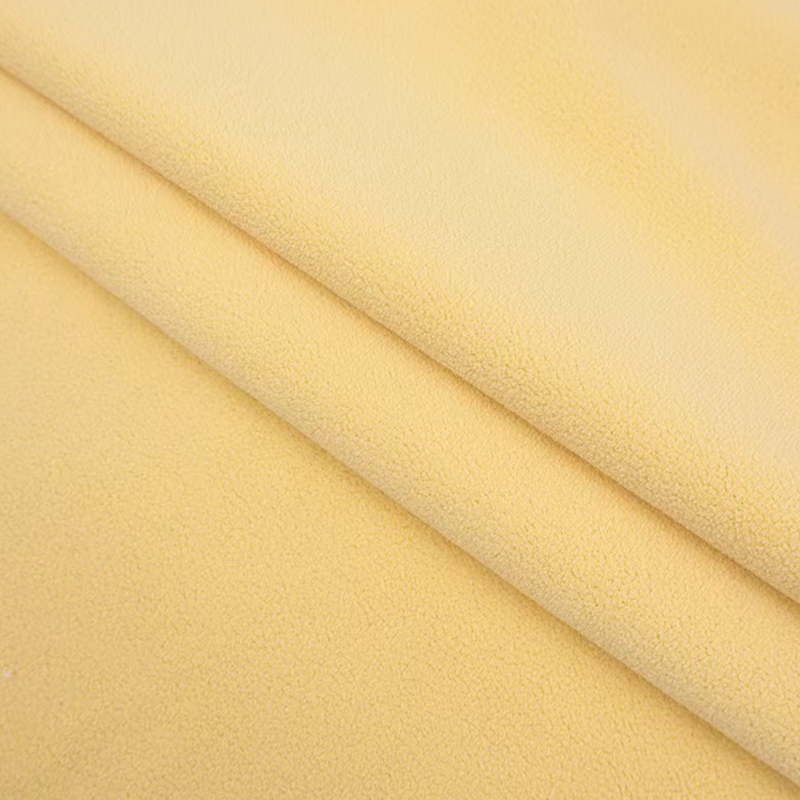
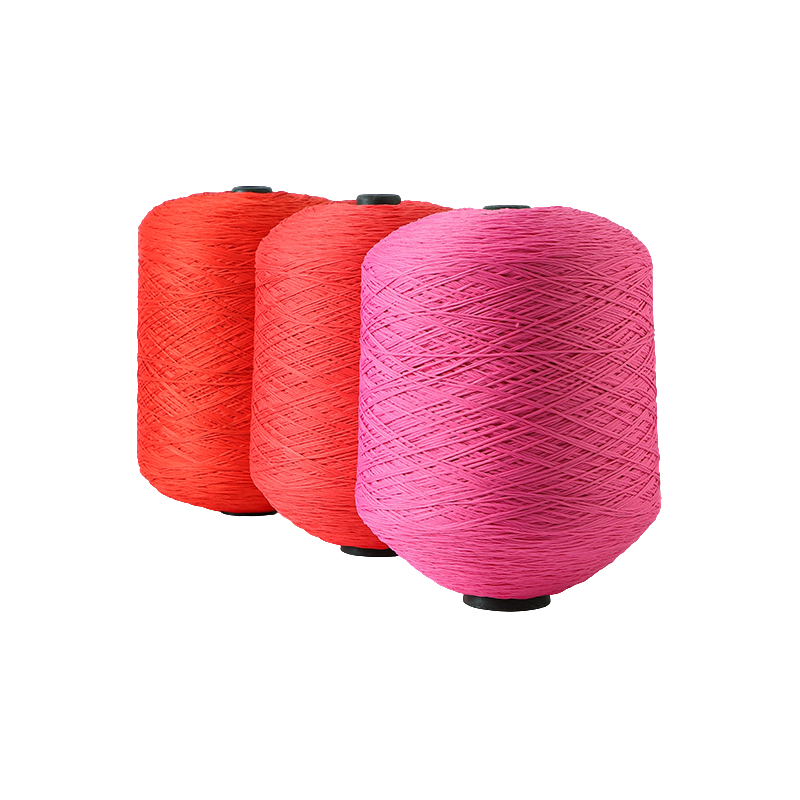
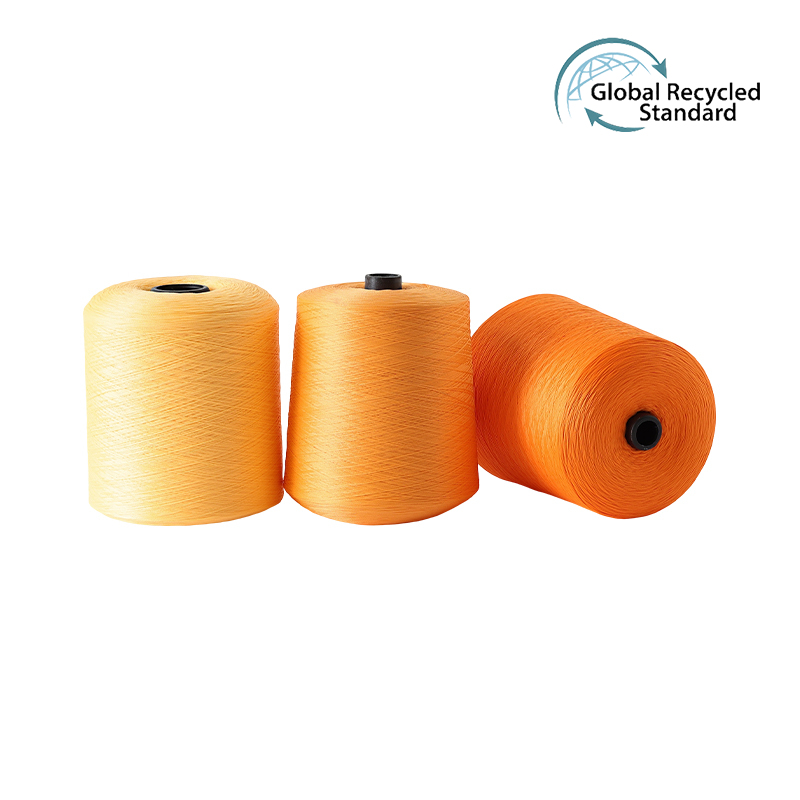
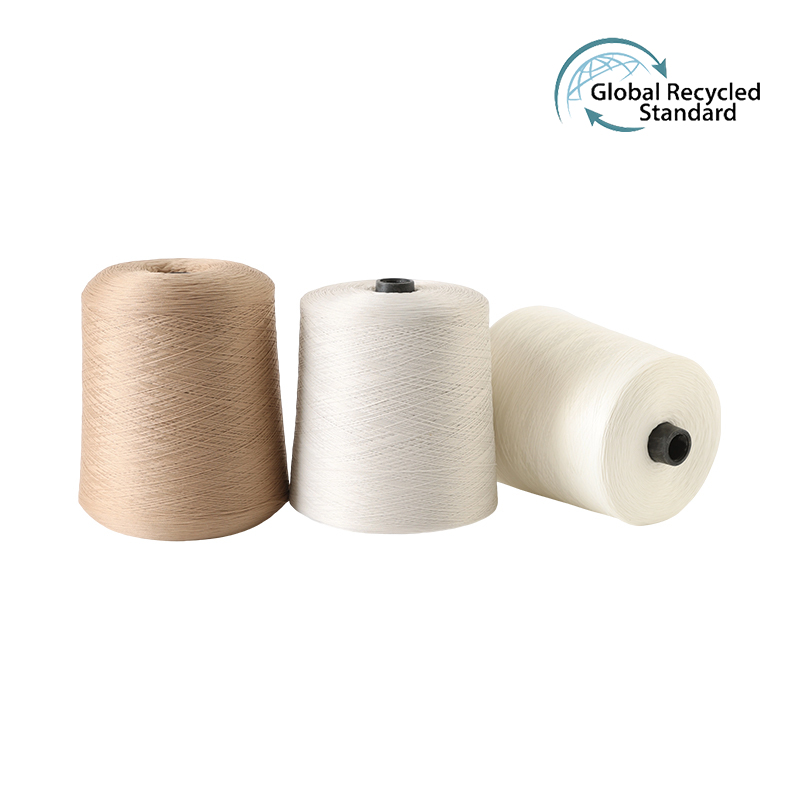
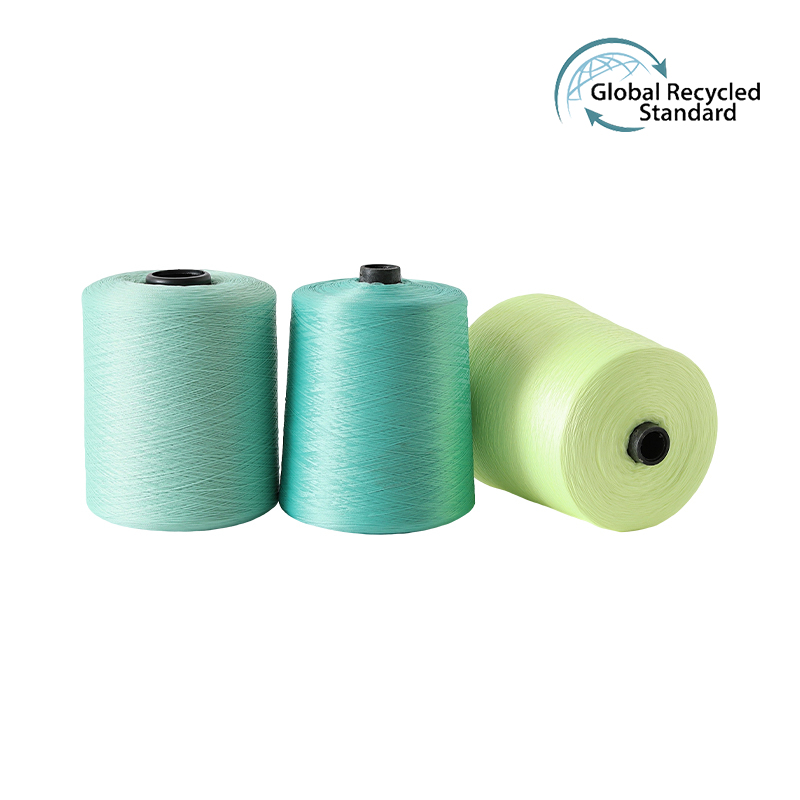
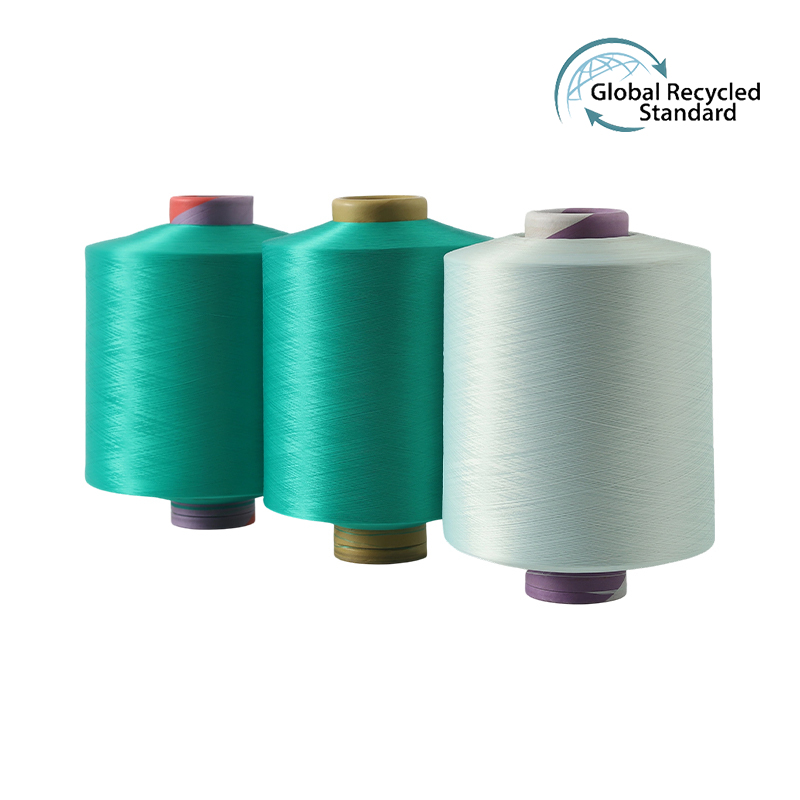
DTY polyester yarn, short for Draw Textured Yarn, is a widely used synthetic filament yarn valued for its bulkiness, elasticity, and soft hand feel. It is produced from partially oriented yarn (POY) through a controlled drawing and texturing process. This transformation gives the yarn characteristics that closely resemble natural fibers while retaining the durability and consistency of polyester. DTY polyester yarn is commonly used in apparel, home textiles, and industrial fabrics where comfort and performance must coexist.
The popularity of DTY polyester yarn is driven by its versatility. Manufacturers can adjust its properties such as stretch, crimp, and denier to meet different fabric requirements. As global demand for cost-effective and reliable textile raw materials increases, DTY polyester yarn continues to be a preferred option across the supply chain.
DTY Polyester Yarn Manufacturing Process
The production of DTY polyester yarn involves a precise and controlled process that converts smooth POY into a textured and functional yarn. Understanding this process helps buyers and fabric developers evaluate quality and performance.
Raw Material Preparation
The process begins with polyester polymer chips, which are melted and extruded through spinnerets to form continuous filaments. These filaments are cooled and wound into POY. POY has high molecular orientation but low crystallinity, making it ideal for further drawing and texturing.
Drawing and Texturing
POY is fed into a draw texturing machine where it undergoes stretching to align polymer chains and increase strength. Simultaneously, the yarn is textured using methods such as false-twist texturing. This step introduces crimp and bulk, giving DTY polyester yarn its characteristic elasticity and softness.
Heat Setting and Winding
After texturing, the yarn is heat-set to stabilize the crimp structure. It is then wound onto packages suitable for weaving, knitting, or further processing. Proper heat setting ensures dimensional stability and consistent performance in downstream applications.
Key Properties of DTY Polyester Yarn
DTY polyester yarn offers a balance of mechanical strength and comfort-related properties. These characteristics make it suitable for a wide range of textile products.
- High elasticity and recovery, making it ideal for stretch fabrics and form-fitting garments
- Soft and bulky texture that improves fabric hand feel
- Excellent abrasion resistance and durability compared to natural fibers
- Low moisture absorption, leading to quick-drying performance
- Good dyeability and color fastness when processed correctly
Common Applications of DTY Polyester Yarn
DTY polyester yarn is used across multiple textile segments due to its adaptable properties and cost efficiency. Its ability to mimic natural fibers while offering enhanced performance has expanded its use in both everyday and technical textiles.
Apparel and Fashion
In apparel, DTY polyester yarn is commonly used in sportswear, leggings, innerwear, and casual clothing. Its stretch and recovery support body movement, while its softness improves wearing comfort. Blends with cotton or spandex further enhance fabric functionality.
Home Textiles
DTY polyester yarn is widely applied in curtains, upholstery fabrics, bed linens, and blankets. Its resistance to wrinkles and shrinking makes it suitable for home environments where easy maintenance is essential.
Industrial and Technical Uses
In industrial textiles, DTY polyester yarn is used in seat covers, narrow fabrics, and decorative automotive textiles. Its consistent quality and strength support long-term performance under mechanical stress.
DTY Polyester Yarn Specifications and Variations
DTY polyester yarn is available in a wide range of specifications to meet different fabric requirements. Selecting the right parameters is critical for achieving desired fabric performance.
| Specification | Common Options |
| Denier | 75D, 100D, 150D, 300D |
| Filament Count | 36F, 48F, 72F, 144F |
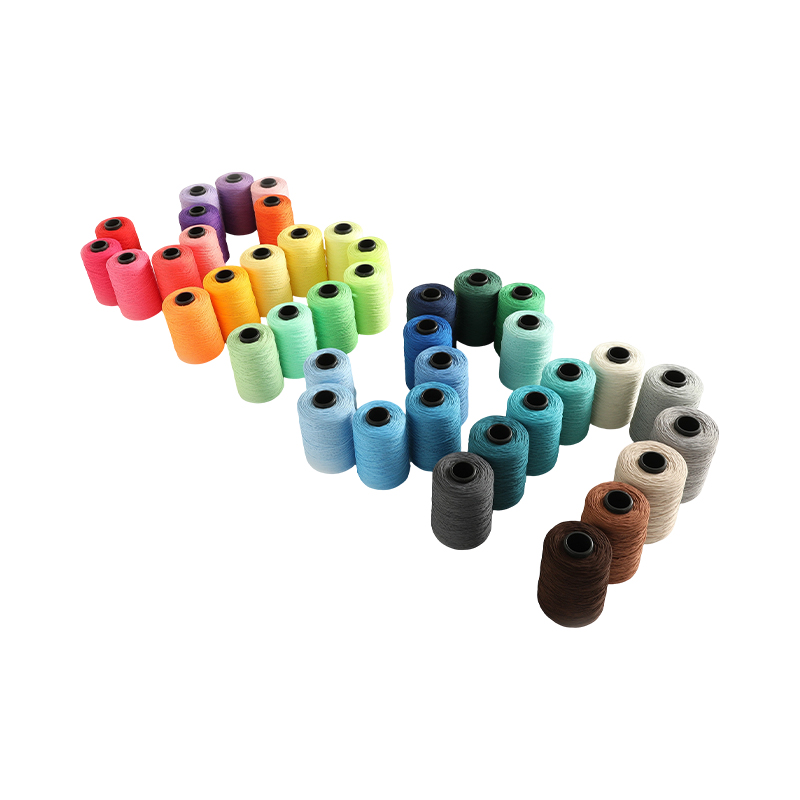
| Luster | Semi-dull, Bright, Full-dull |
| Twist Level | Low twist, High twist |
Quality Control Factors When Choosing DTY Polyester Yarn
Consistent quality is essential for smooth fabric production and reliable end products. Buyers should evaluate several technical indicators before sourcing DTY polyester yarn.
- Evenness and uniform crimp distribution to avoid fabric defects
- Tensile strength and elongation values aligned with application needs
- Low oil variation to ensure stable weaving or knitting performance
- Reliable dye uptake and shade consistency across batches
Sourcing and Cost Considerations for DTY Polyester Yarn
The price of DTY polyester yarn is influenced by raw material costs, energy prices, and production technology. Buyers should balance cost with performance requirements rather than selecting solely based on price.
Long-term supplier relationships can help ensure stable quality and delivery schedules. Evaluating production capacity, technical support, and quality assurance systems is often more valuable than short-term cost savings.
Future Trends in DTY Polyester Yarn Development
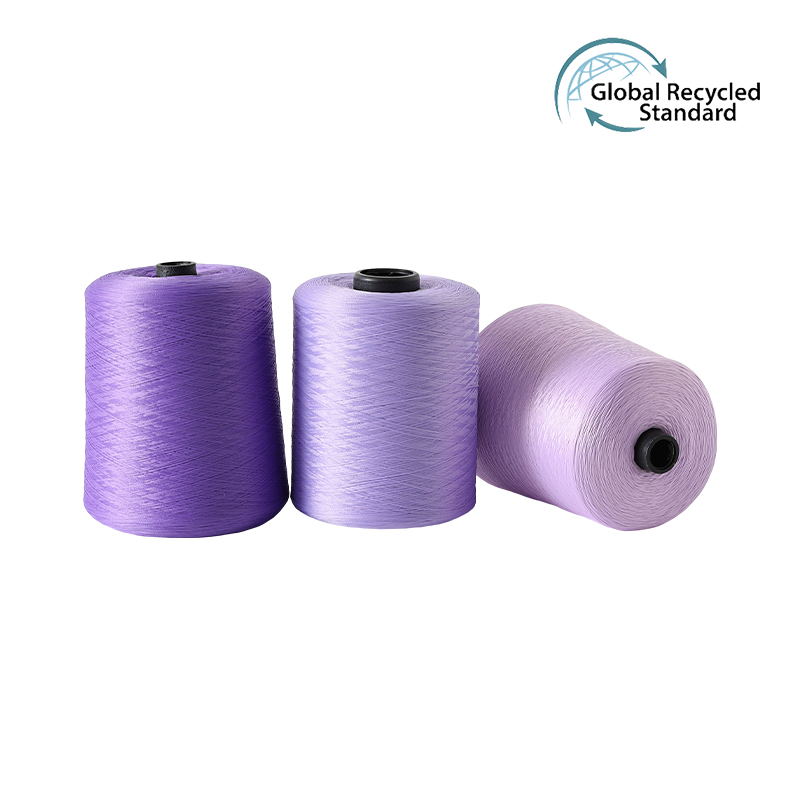
Innovation in DTY polyester yarn is focused on sustainability and performance enhancement. Recycled polyester DTY yarn is gaining traction as brands seek to reduce environmental impact without compromising quality.
Advancements in texturing technology are also improving yarn consistency and energy efficiency. These developments support the continued growth of DTY polyester yarn in global textile markets.