English
 عربى
عربى Türk
Türk Español

Content
Understanding Polyester Yarn
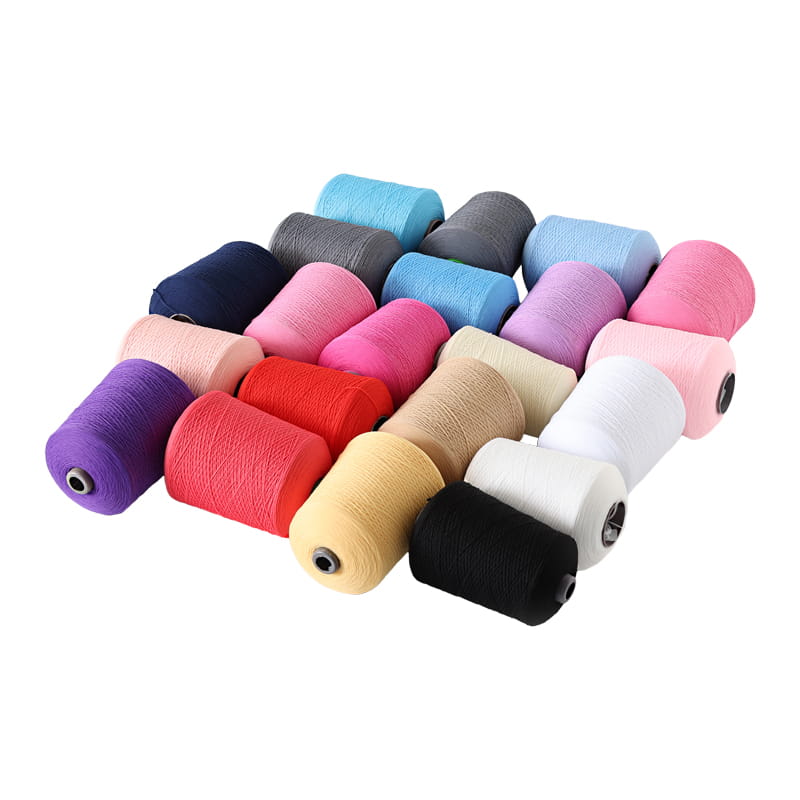
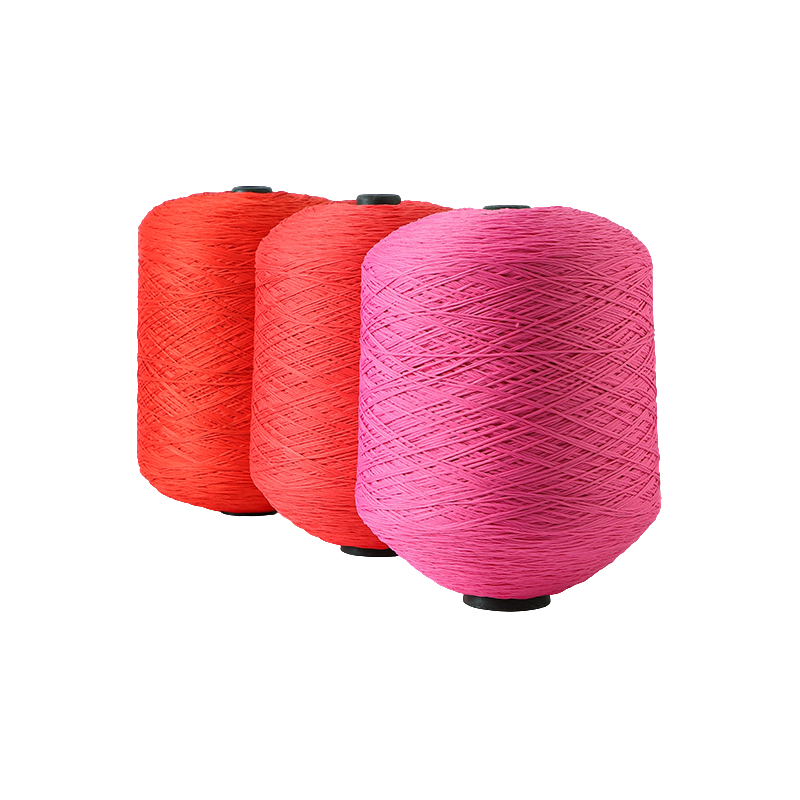
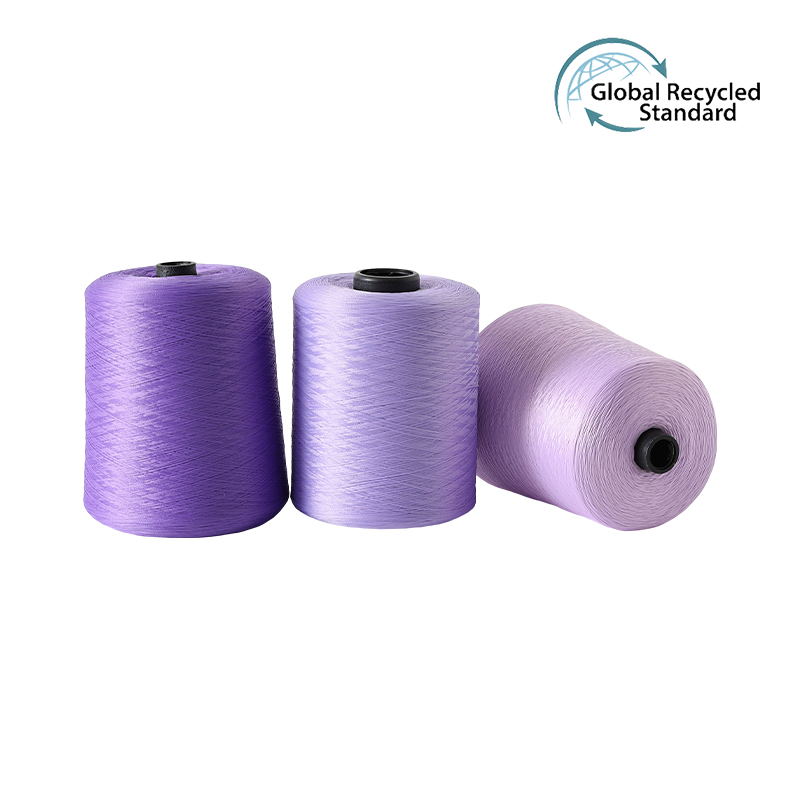
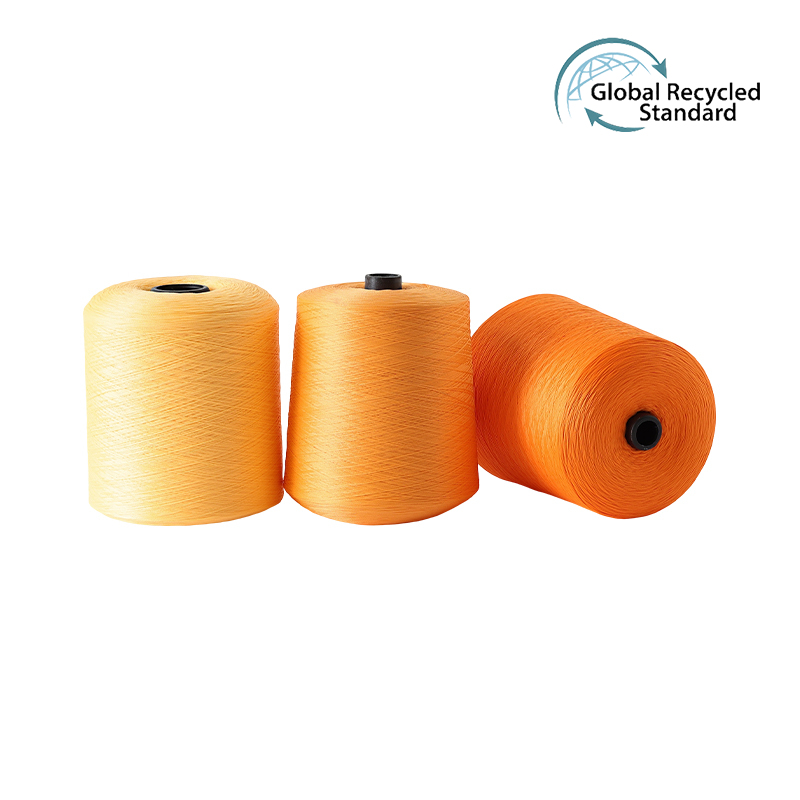
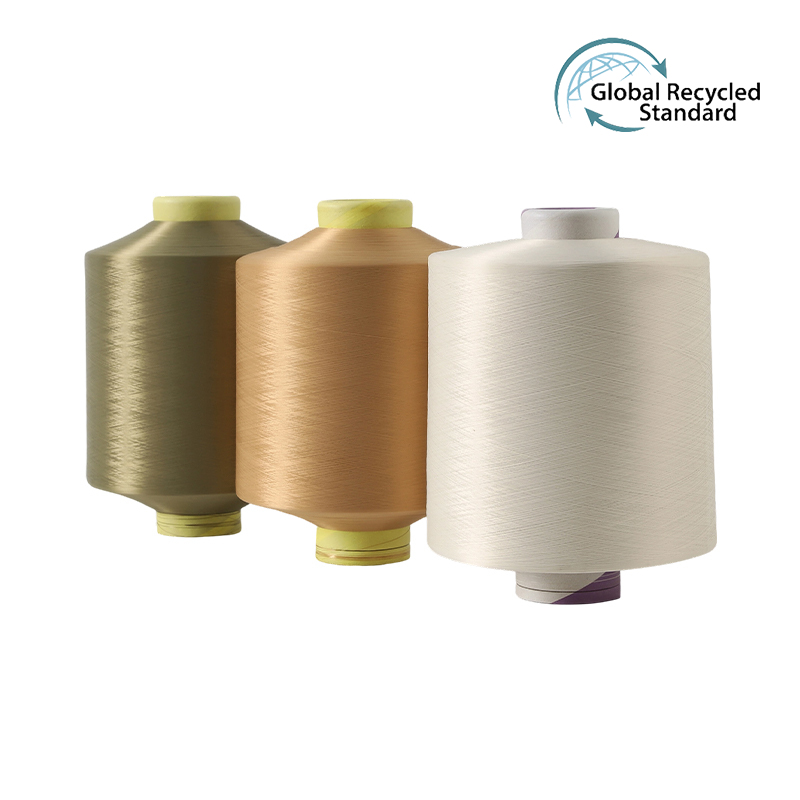
Polyester yarn is a synthetic fiber made from petroleum-based polymers, primarily polyethylene terephthalate (PET). Known for its durability, elasticity, and resistance to shrinking, it has become one of the most widely used yarns in the textile industry. Its popularity stems from a combination of affordability, versatility, and performance characteristics suitable for both clothing and industrial applications.
Key Properties of Polyester Yarn
Understanding the physical and chemical properties of polyester yarn is crucial for selecting the right type for specific applications. Its properties include:
- High tensile strength: Polyester yarn can withstand significant stretching without breaking, making it ideal for durable fabrics.
- Elasticity and resilience: It can recover its original shape after stretching, preventing sagging in garments.
- Moisture resistance: Polyester does not absorb water easily, reducing drying time and maintaining fabric shape in wet conditions.
- Thermal stability: It can tolerate moderate heat during washing or ironing without deforming, although high temperatures may cause melting.
- Resistance to chemicals and mildew: Polyester resists damage from common chemicals, oils, and fungi, enhancing its longevity.
Types of Polyester Yarn
Polyester yarn comes in several forms depending on production methods and intended use:
Textured Polyester Yarn
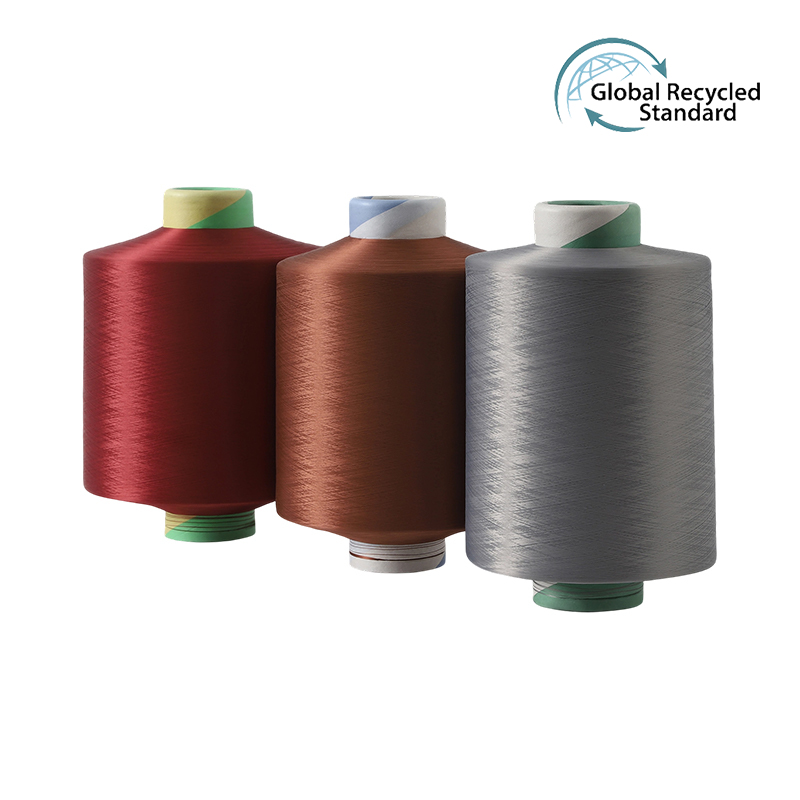
Textured polyester yarn is processed to create bulk, stretch, and elasticity. It is commonly used in knitting, sportswear, and home textiles because it provides softness and resilience similar to natural fibers.
Filament Polyester Yarn
Filament yarn consists of long continuous fibers, providing a smooth and lustrous finish. It is widely used for woven fabrics, linings, and high-quality apparel.
Staple Polyester Yarn
Staple yarn is made from short fibers spun together. It offers more texture and is often blended with cotton or wool to enhance fabric properties such as breathability and comfort.
Applications in Textile and Garment Industry
Polyester yarn is versatile and finds applications across multiple sectors. Some of the main uses include:
- Sportswear and activewear due to moisture-wicking and durability.
- Home textiles such as curtains, upholstery, and bed linens because of wrinkle resistance and easy maintenance.
- Industrial textiles like conveyor belts, ropes, and geotextiles for strength and chemical resistance.
- Blended fabrics to combine the comfort of natural fibers with polyester’s durability.
Factors Affecting Polyester Yarn Quality
Several factors influence the quality and performance of polyester yarn. Understanding these can help manufacturers optimize production:
- Polymer grade and purity: Higher-grade PET produces stronger, more uniform yarn.
- Spinning technique: Methods such as melt spinning or air-jet spinning impact yarn smoothness, strength, and texture.
- Texturizing process: Properly textured yarn improves elasticity, bulk, and comfort.
- Dyeing and finishing treatments: Quality finishes enhance colorfastness, softness, and durability.
Comparative Table of Polyester Yarn Variants
| Type | Characteristics | Common Uses |
| Filament Yarn | Smooth, lustrous, long continuous fibers | Woven fabrics, linings, formal wear |
| Staple Yarn | Short fibers spun together, textured | Blended fabrics, casual apparel, knitwear |
| Textured Yarn | Bulk, stretch, soft feel | Sportswear, hosiery, home textiles |
Tips for Working with Polyester Yarn
To maximize the benefits of polyester yarn in fabric production or home projects, consider these practical tips:
- Use appropriate tension settings when knitting or weaving to prevent stretch deformation.
- Apply moderate heat when ironing; excessive heat may melt the fibers.
- Blend with natural fibers strategically to enhance breathability and comfort without compromising durability.
- Pre-wash fabrics if dye bleeding or shrinkage is a concern, although polyester is generally stable.
Conclusion
Polyester yarn is a versatile and practical choice for a wide range of textile applications. Its strength, elasticity, moisture resistance, and ease of care make it suitable for clothing, home textiles, and industrial uses. By understanding its properties, types, and quality factors, manufacturers and crafters can optimize polyester yarn for durable and high-performing fabrics.