English
 عربى
عربى Türk
Türk Español

Content
- 1 Understanding Polyester Carpet Fabric Structure
- 2 Key Performance Characteristics in Daily Use
- 3 Manufacturing Methods and Their Impact
- 4 Comparing Polyester Carpet Fabric with Other Fibers
- 5 Best Applications for Polyester Carpet Fabric
- 6 Maintenance and Longevity Considerations
- 7 Sustainability and Recycled Polyester Options
- 8 Practical Buying Guidelines
Understanding Polyester Carpet Fabric Structure
Polyester carpet fabric is produced primarily from PET (polyethylene terephthalate) fibers, a synthetic polymer widely used in flooring textiles. Its molecular structure allows fibers to be extruded into consistent filaments with controlled thickness, twist, and cross-sectional shape. These structural variables directly influence carpet resilience, softness, and appearance retention.
Unlike nylon, polyester fibers are hydrophobic, meaning they naturally resist water absorption. This characteristic affects not only stain resistance but also dye behavior and long-term color stability. In carpet construction, polyester yarns are typically heat-set to lock in twist, improving dimensional stability under foot traffic.
Key Performance Characteristics in Daily Use
Polyester carpet fabric is valued for its balanced performance profile, particularly in residential and light commercial environments. While it does not match nylon in elastic recovery, it compensates with softness, color clarity, and moisture resistance.
- Strong stain resistance due to low moisture absorption, reducing penetration of spills.
- Excellent color vibrancy and fade resistance, especially when solution-dyed.
- Naturally soft hand feel, making it suitable for barefoot living spaces.
However, polyester fibers can show compression in high-traffic zones if pile density is insufficient. Selecting the correct face weight and pile construction is therefore critical to long-term satisfaction.
Manufacturing Methods and Their Impact
The manufacturing process of polyester carpet fabric significantly influences durability and aesthetics. Most polyester carpets are produced using either staple fiber spinning or bulked continuous filament (BCF) technology.
Staple Fiber Polyester Carpets
Staple fiber carpets are made from short fiber lengths spun into yarn. These carpets often provide a wool-like appearance and are commonly used in cut-pile or textured styles. While visually appealing, they may generate more lint initially and require higher pile density to maintain structure.
BCF Polyester Carpets
BCF polyester carpets use continuous filaments that are bulked for volume. This method enhances uniformity, reduces shedding, and improves resistance to matting. BCF polyester is often preferred for modern residential applications where appearance retention is a priority.
Comparing Polyester Carpet Fabric with Other Fibers
Understanding how polyester compares to alternative carpet fibers helps buyers make informed decisions based on use conditions rather than marketing claims.
| Fiber Type | Stain Resistance | Resilience | Softness |
| Polyester | High | Medium | High |
| Nylon | Medium | High | Medium |
| Olefin | Very High | Low | Medium |
Best Applications for Polyester Carpet Fabric
Polyester carpet fabric performs best in spaces where comfort, appearance, and stain resistance are prioritized over extreme durability. Matching the carpet specification to the room function ensures optimal service life.
- Bedrooms and guest rooms where foot traffic is moderate and softness is valued.
- Living rooms with controlled traffic patterns and regular maintenance.
- Rental properties requiring stain resistance and cost efficiency.
For staircases or busy hallways, higher-density polyester carpets or alternative fibers may provide better long-term resilience.
Maintenance and Longevity Considerations
Proper maintenance significantly extends the lifespan of polyester carpet fabric. Although resistant to stains, polyester benefits from consistent care to prevent soil buildup that can dull fibers.
Regular vacuuming with appropriate height settings prevents excessive pile compression. Periodic professional cleaning helps restore texture and remove embedded particles without damaging fiber integrity.
Sustainability and Recycled Polyester Options
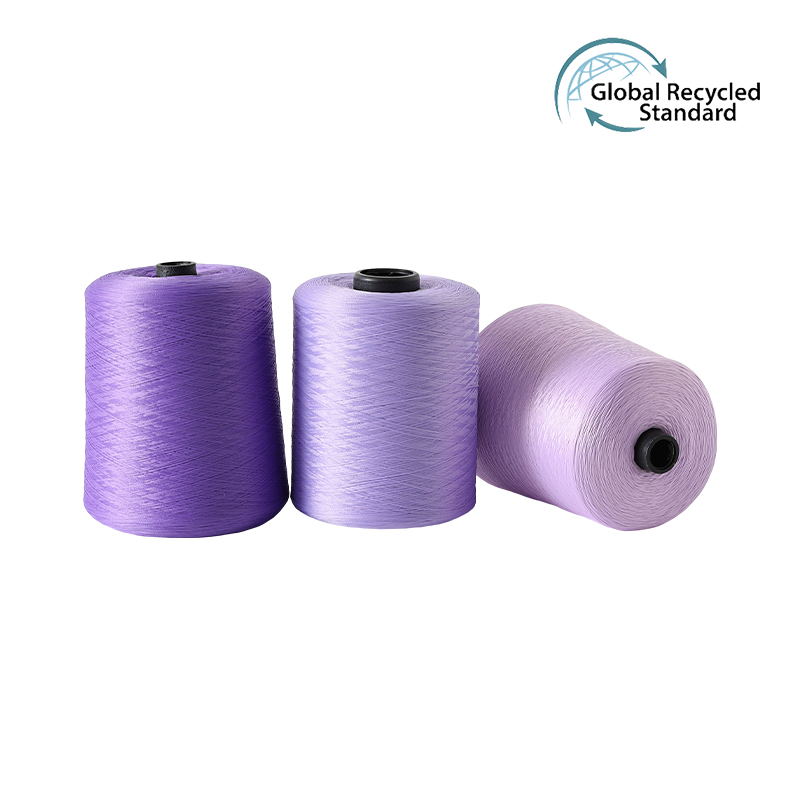
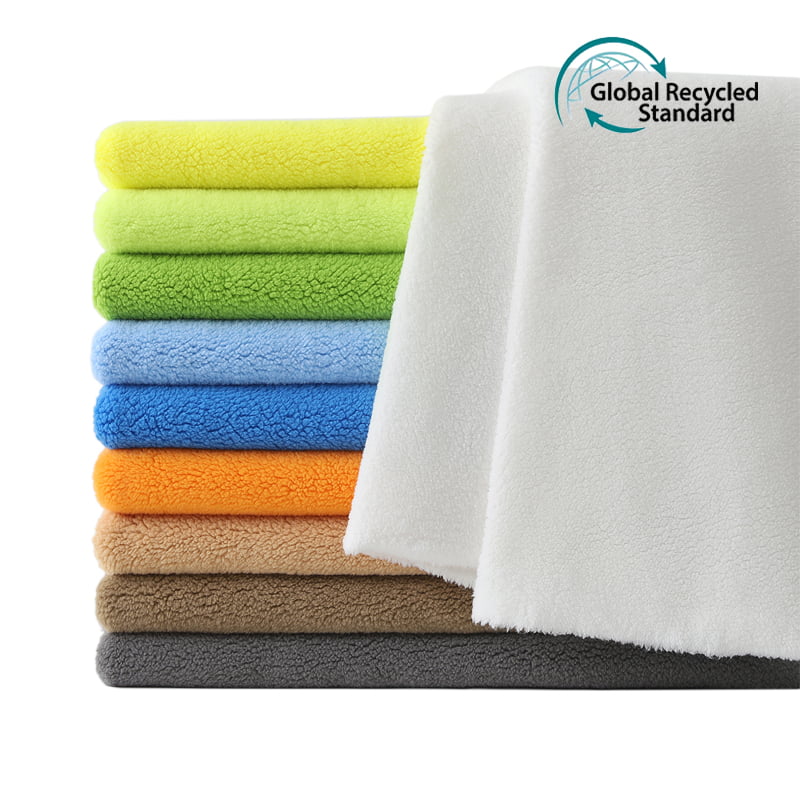
Many polyester carpet fabrics are now produced using recycled PET, often derived from post-consumer plastic bottles. These recycled fibers offer comparable performance while reducing environmental impact and raw material consumption.
When evaluating recycled polyester carpets, buyers should confirm fiber purity, dye method, and certification standards to ensure consistency and durability equal to virgin polyester products.
Practical Buying Guidelines
Selecting the right polyester carpet fabric requires attention to measurable specifications rather than appearance alone. Key indicators include face weight, pile density, twist level, and backing system quality.
A well-constructed polyester carpet with sufficient density and proper installation can deliver long-lasting comfort, vibrant aesthetics, and reliable performance in the right environment.