English
 عربى
عربى Türk
Türk Español

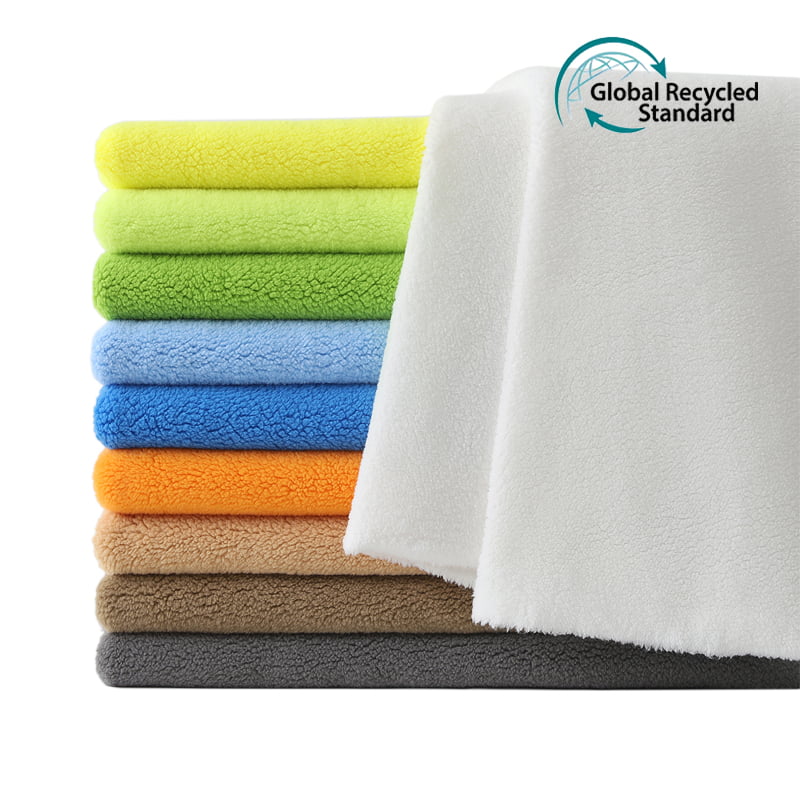
At first glance, both materials offer a plush, animal-friendly alternative to real fur. However, their fundamental textures and constructions are what set them apart. Faux Fur Sherpa Fabric is a unique hybrid material that combines two distinct sides: one is a dense, curly, or shaggy faux fur pile, and the other is a soft, napped, fleecy backing known as sherpa. This sherpa side typically resembles the texture of shearling sheep's wool—fluffy, slightly crimped, and incredibly soft to the touch. The fabric is a cohesive unit, with the two layers bonded together.
Regular faux fur, in contrast, is a single-face fabric. Its focus is entirely on the luxurious pile that mimics animal pelts like mink, fox, or bear. The backing is usually a knitted or woven base that is designed to be hidden. It is less plush and often slicker compared to sherpa, serving primarily to anchor the faux fur fibers. This key structural difference directly influences their best uses and handling.
Primary Functions and Project Applications
The dual-sided nature of Faux Fur Sherpa Fabric makes it exceptionally versatile for projects where both sides will be visible or where maximum coziness is desired. Its built-in lining eliminates an extra step. Regular faux fur is chosen for its realistic aesthetic and is typically used where only the furry side is meant to be seen.
Ideal Uses for Faux Fur Sherpa Fabric:
- Reversible Items: Jackets, vests, blankets, and pillow covers where one side shows fur and the other shows sherpa.
- High-Comfort Items: Luxurious, no-sew blankets (where the sherpa acts as a built-in backing), robe linings, and slippers where the sherpa touches the skin.
- Winter Accessories: Hood linings, cuff linings, and mittens where the sherpa provides warmth against the skin.
Ideal Uses for Regular Faux Fur:
- Decorative Throws and Pillows: Where a realistic, luxurious fur look is the goal on one side only.
- Costumes and Toys: For creating realistic animal features, tails, ears, and plushie exteriors.
- Trim and Accents: On hoods, collars, and cuffs of garments, where the backing will be concealed in a seam.
- Home Decor: As an accent fabric on stools, chairs, or baskets.
Sewing and Handling Characteristics
Working with these fabrics requires different techniques to achieve clean results. Faux Fur Sherpa Fabric is thicker and bulkier due to its two-layer construction. Seams can become very thick, requiring careful management. Cutting must be done precisely through both layers if both sides are to be used. Pinning can leave permanent holes in the sherpa, so using clips or weights is preferred.
Regular faux fur's main challenge is managing pile shed and ensuring clean cuts. The key technique is to cut only the backing, not the fur fibers, by using a razor blade, craft knife, or sharp scissors to part the pile and cut from the back. This prevents chopped, uneven fur on the seam lines. Like sherpa, it should also be clipped, not pinned.
| Characteristic | Faux Fur Sherpa Fabric | Regular Faux Fur |
| Best Needle | Heavy-duty or denim needle (size 90/14-100/16) | Universal or heavy-duty needle (size 90/14) |
| Seam Finishing | Often left as is (both sides decorative); can be brushed out. | *Crucial:* Seams must be opened and the pile brushed out to hide the seam. |
| Thickness | Very high (2 layers) | Moderate to High (1 layer with pile) |
Care and Maintenance Comparison
While both are synthetic and generally machine washable, their care differs due to texture. Faux Fur Sherpa Fabric is prone to matting if washed incorrectly. It benefits from cold water, gentle cycles, and absolutely no heat drying. Tumble drying on *no heat* or air drying is essential to prevent the sherpa from hardening or the fur from melting. Brushing while damp can help restore both textures.
Regular faux fur's primary concern is preserving the pile's loft and direction. It should be washed inside out in a garment bag, on cold, with minimal agitation. Heat is its enemy, causing frizz and matting. It should be air-dried flat, then gently brushed with a pet slicker brush or wide-tooth comb to restore its appearance.
Choosing the Right Fabric for Your Need
Your project's requirements should dictate your choice. Ask these practical questions:
- Will both sides be visible? Choose Faux Fur Sherpa Fabric.
- Is ultimate softness against the skin a priority? The sherpa side is ideal for this.
- Are you aiming for a realistic animal look? Regular faux fur offers more realistic patterns, lengths, and colors.
- Is reduced bulk important? For tailored garments or detailed toy making, regular faux fur is often easier to manage.
- Do you want a no-sew fabric for a blanket? Faux Fur Sherpa Fabric, with its two finished sides, is the clear choice.
Understanding these key differences—from construction and feel to sewing methods and care—ensures you select the perfect material to bring your creative vision to life with professional, durable, and beautiful results.