English
 عربى
عربى Türk
Türk Español

Content
For crafters, homeowners, and interior designers, choosing the right material for a rug or carpet is a significant decision. It impacts not only aesthetics and comfort but also durability, maintenance, and budget. Among the myriad of fiber options available—wool, nylon, polypropylene, and cotton—polyester yarn has steadily gained prominence. But is it a genuinely good choice for floor coverings, or is it a compromise?
Understanding Polyester Yarn for Floor Coverings
First, it’s essential to clarify what we’re discussing. Polyester is a synthetic polymer derived from petroleum, chemically known as polyethylene terephthalate (PET). For rugs and carpets, polyester is spun into a durable yarn, which can be used in various forms:
- Virgin Polyester Yarn: Made from new petroleum-based materials.
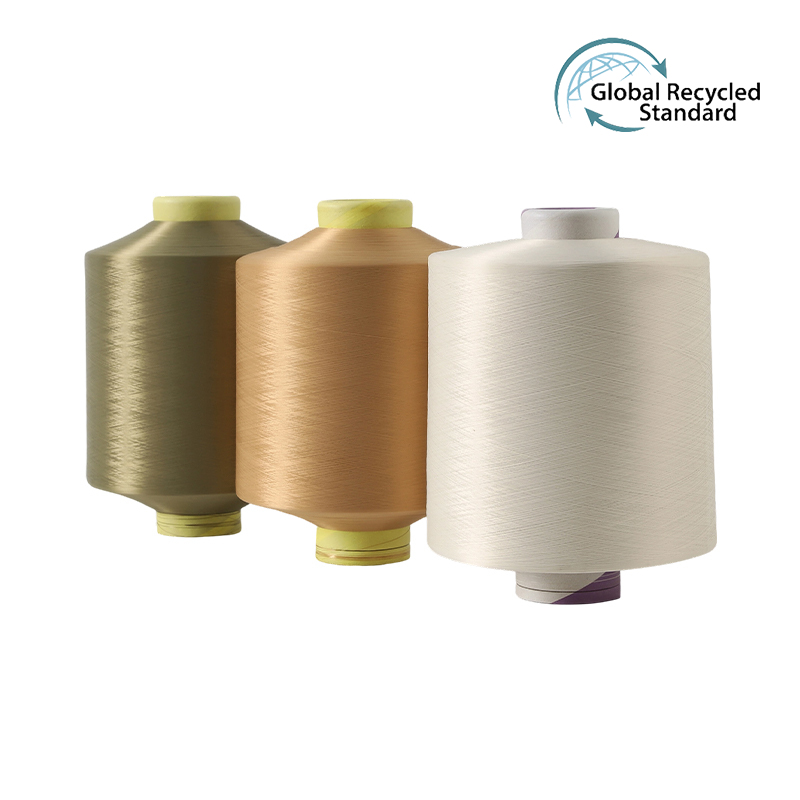
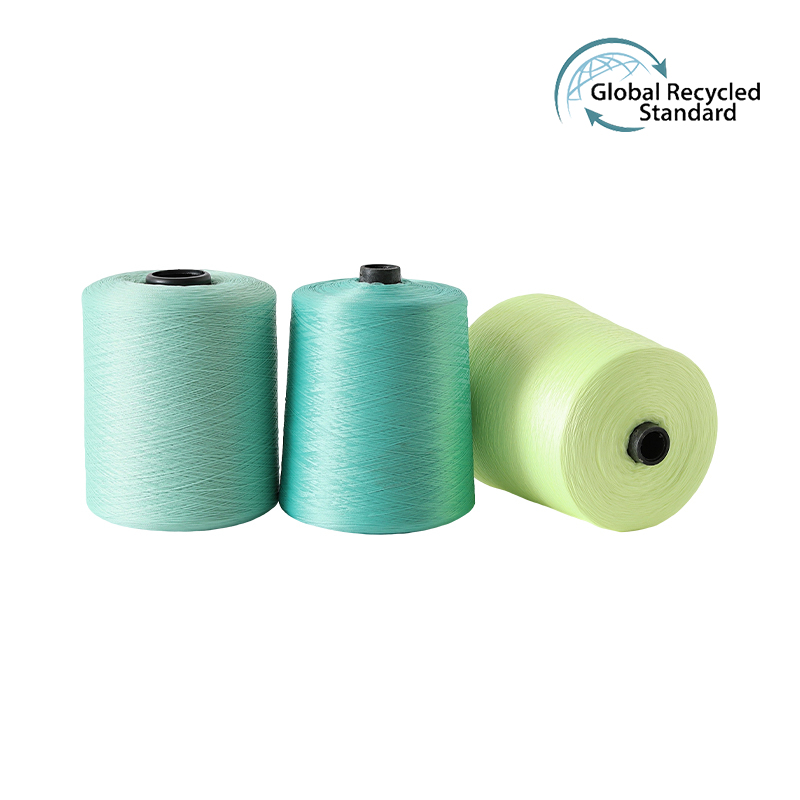
- Recycled Polyester Yarn: Increasingly common, made from post-consumer plastic bottles (rPET), offering an eco-angle.
The yarn can be twisted into cut pile (soft, plush feel), loop pile (great for durability), or a combination (cut-and-loop) for texture and pattern.
The Case For Polyester Yarn: Notable Advantages
1. Exceptional Color Vibrancy and Retention
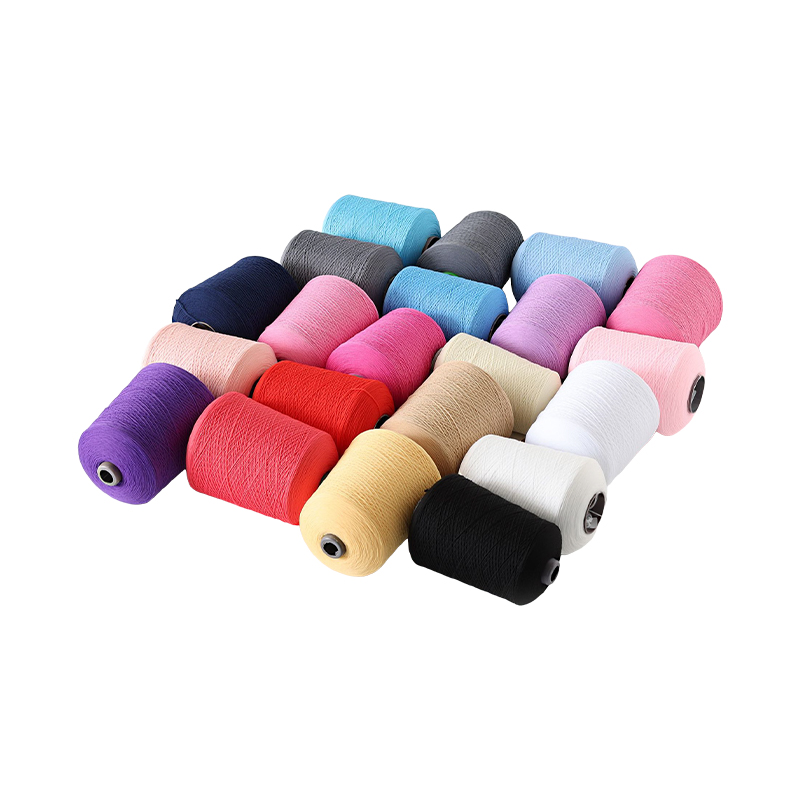
This is arguably polyester’s strongest suit. The fibers are naturally translucent and accept dyes beautifully during manufacturing, resulting in intensely vibrant, rich colors. More importantly, polyester yarn is highly resistant to fading from sunlight (UV radiation). For a rug in a sun-drenched room—like a living room with large windows—polyester will maintain its color integrity far longer than many natural fibers and some other synthetics.
2. Superior Softness and Luxurious Hand-Feel
Modern polyester yarn technology has moved far beyond the stiff, scratchy reputation of early synthetics. Today, polyester rugs are often celebrated for their exceptionally soft, plush, and luxurious feel underfoot, sometimes rivaling or even exceeding the softness of premium wool at a given price point. This makes them a popular choice for bedrooms, nurseries, or any area where barefoot comfort is a priority.
3. Moisture and Stain Resistance
Polyester is inherently hydrophobic, meaning it repels water-based liquids. Spills like juice, coffee, or wine will bead up on the surface initially, giving you a crucial window to blot them up before they soak in. This resistance extends to many common household stains, making polyester yarn a practical choice for medium-traffic family areas or dining spaces. It is also naturally mold and mildew resistant, a consideration for damp climates.
4. Cost-Effectiveness
Compared to natural fibers like wool or silk, and even compared to other high-performance synthetics like nylon, polyester yarn often comes at a lower cost per square foot. This allows consumers to get a visually appealing, soft rug with good stain resistance for a budget-friendly price. The value proposition is significant, especially for trend-driven styles you might not want to invest in for decades.
5. Hypoallergenic Properties
Unlike wool, which can harbor dust mites, or natural fibers that can hold organic allergens, polyester yarn provides a less hospitable environment for these irritants. It does not absorb moisture that microbes need to thrive. For individuals with mild allergies, a polyester rug can be a easier-to-clean option, though it’s important to note that all carpets trap dust and require regular vacuuming.
The Considerations and Limitations
However, polyester yarn is not a universal perfect solution. Its performance has specific boundaries that must be understood.
1. Compression and Crushing: The PermanENT “Footprint” Issue
This is the most frequently cited drawback of polyester carpet pile. While soft, the fibers lack the natural resilience and elastic recovery of wool or the engineered resilience of nylon. Under heavy, constant pressure—from furniture legs, high foot traffic paths, or even a pet’s favorite sleeping spot—the pile can crush and mat down, creating permanent dents or pathways that are difficult to revive. This makes it less ideal for very high-traffic areas like main hallways or under heavy furniture that is rarely moved.
2. Durability and Abrasion Resistance
While durable for its price point, polyester yarn generally has lower tensile strength and abrasion resistance than nylon, the workhorse of the contract carpeting world. In extreme high-traffic commercial settings or homes with large, active dogs, a polyester pile may show wear, fuzzing, or thinning faster than a high-quality nylon equivalent. It’s better suited for low to medium-traffic residential zones.
3. Oil-Based Stains: A Particular Vulnerability
Recall that polyester is hydrophobic (repels water). Conversely, it is oleophilic (attracts oils). This means oil-based stains—grease, cooking oil, certain cosmetics, butter—can bind to the fibers with tenacity. These stains require immediate attention with a specific cleaning agent designed to break down oils, as water-based cleaners will simply bead up and be ineffective on the stain itself.
4. Environmental and Health Considerations
As a petroleum-derived product, virgin polyester has an environmental footprint from its production. The industry has responded with recycled polyester (rPET), which diverts plastic bottles from landfills and uses less energy to produce, making it a more sustainable choice. However, the end-of-life question remains: polyester is not biodegradable. Some concerns have also been raised about off-gassing of volatile organic compounds (VOCs) from new synthetic carpets, though most major manufacturers adhere to strict indoor air quality standards like the Carpet and Rug Institute’s Green Label Plus program.
5. Static and Shedding
Some polyester rugs, especially new, plush styles, may shed loose fibers initially and can generate static electricity in dry climates. This is typically manageable with regular vacuuming (using a good vacuum cleaner without a beater bar on high pile) and tends to decrease over time.

Making the Right Choice: Is Polyester Yarn Right for Your Project?
The answer is a definitive “it depends.” Here is a practical guide to decision-making:
Choose a Polyester Yarn Rug or Carpet For:
- Low-to-Medium Traffic Areas: Bedrooms, formal living rooms, guest rooms.
- Budget-Conscious Projects: Where you desire maximum aesthetic appeal and softness for your dollar.
- Sun-Filled Rooms: Where colorfastness and UV resistance are priorities.
- Plush, Soft Texture Needs: In children’s play areas (for comfort) or spaces where coziness is key.
- Spill-Prone Areas (with caution): Like dining rooms, provided you are vigilant about cleaning up water-based spills quickly.
Consider a Different Fiber (like Nylon or Wool) For:
- High-Traffic Zones: Staircases, main hallways, family rooms in busy households.
- Areas Under Heavy Furniture: Where crushing would be immediately apparent.
- Homes with Large Pets: Where superior abrasion resistance is needed.
- Long-Term Investment: If you want a “forever” rug that will withstand decades of use.
- Premium Performance: Willing to invest more for top-tier resilience and natural soil-hiding properties (wool) or engineered maximum durability (nylon).
Care and Maintenance: Maximizing Longevity
If you choose polyester, proper care is essential:
- Vacuum Regularly: Use a suction-only setting or a vacuum without an aggressive beater bar on high-pile rugs to prevent fiber damage.
- Address Spills Immediately: Blot, don’t rub. For water-based spills, use a mild detergent solution. For oil-based spills, use a cleaner formulated for oily stains.
- Rotate Your Rug: Periodically rotating your rug (every 6-12 months) helps ensure even wear and sun exposure, mitigating crushing and fading in specific spots.
- Use Furniture Protectors: Wide, supportive coasters under heavy furniture legs can help distribute weight and prevent deep crushing.
- Professional Cleaning: For deep cleaning, use a method recommended by the manufacturer, typically hot water extraction (“steam cleaning”), but ensure the service is familiar with synthetic fibers.
Conclusion: A Balanced Verdict
Polyester yarn is neither a flawless miracle fiber nor a cheap imitation. It is a highly capable, purpose-driven material that excels in specific applications. For making rugs and carpets, it offers an unbeatable combination of vivid color, luxurious softness, inherent stain resistance, and value that is perfectly suited for many modern homes.
Its limitations in resilience and oil-stain susceptibility mean it is not the ultimate choice for every location. The key is to align its strengths with your needs. For a stylish, soft, and affordable rug in a bedroom or a sunlit sitting room where traffic is moderate, polyester yarn is an excellent and often recommended choice. For the main thoroughfare of a busy family home, you might look to a more resilient fiber. By understanding these nuances, you can make an informed, confident decision that brings both beauty and practicality to your floors for years to come.