English
 عربى
عربى Türk
Türk Español
Content
Most fabric sourcing decisions come down to one question nobody asks out loud: is the yarn upstream or downstream? POY and DTY sit at opposite ends of the same production chain — and confusing the two costs time, money, and fabric quality.
What Is POY — and Why Can't You Weave With It Directly?
POY (Partially Oriented Yarn) is produced by melting polyester chips and extruding them through spinnerets at speeds between 3,000–3,600 meters per minute. The result is a filament where the molecular chains are only partially aligned — giving the yarn high elongation (typically 120–170%) and an intentionally unstable structure.
That instability is the point. POY is designed as a raw input, not a finished material. Its structure is meant to be transformed, not used as-is. Trying to weave directly with POY yields uneven, weak fabric that loses shape under tension. Approximately 70–80% of all POY produced globally goes directly into DTY texturing — making it one of the most important upstream materials in synthetic textiles.
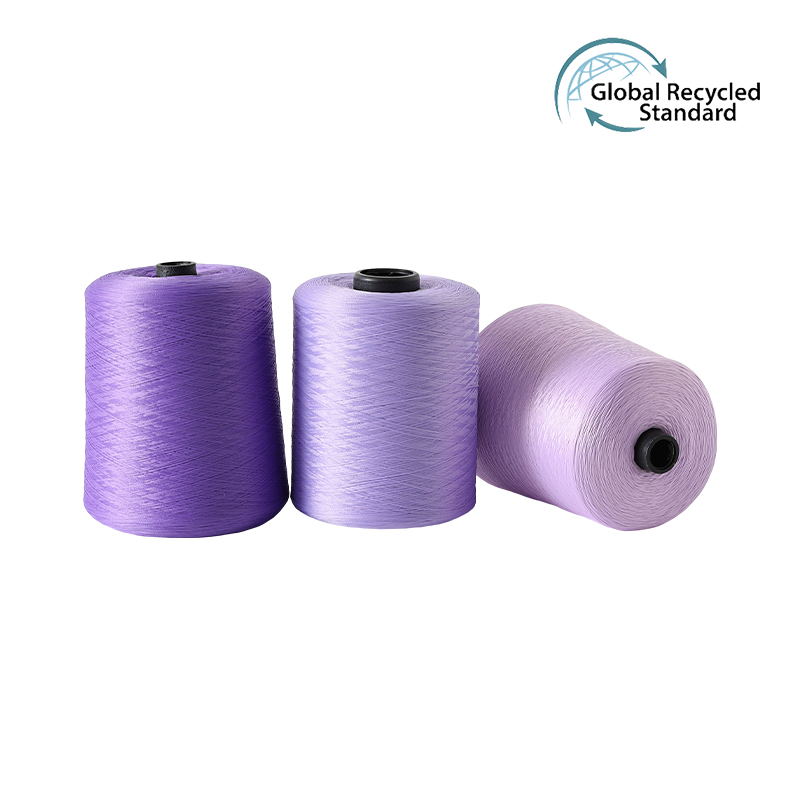
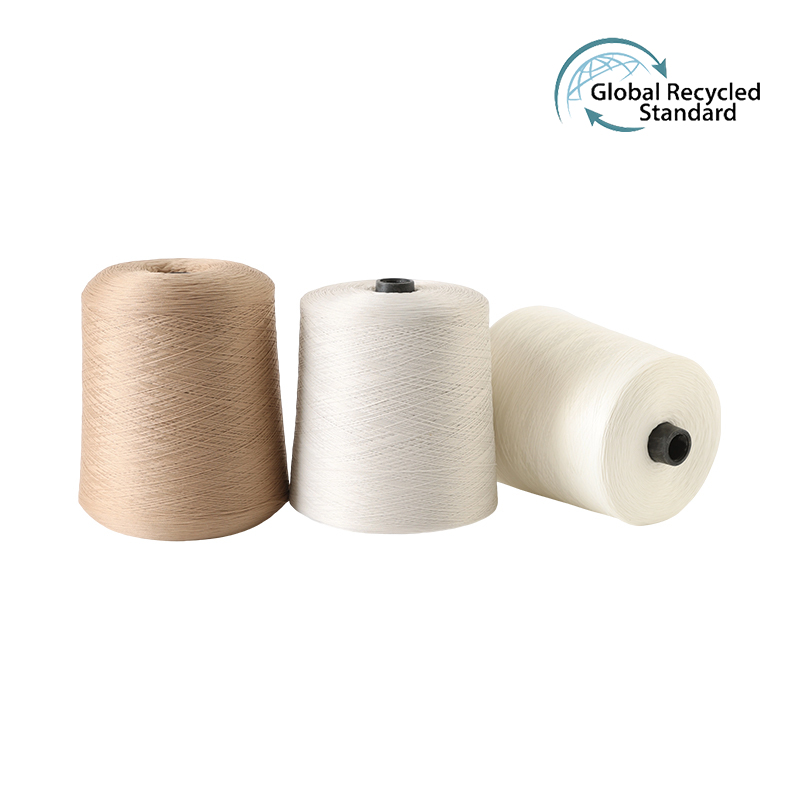
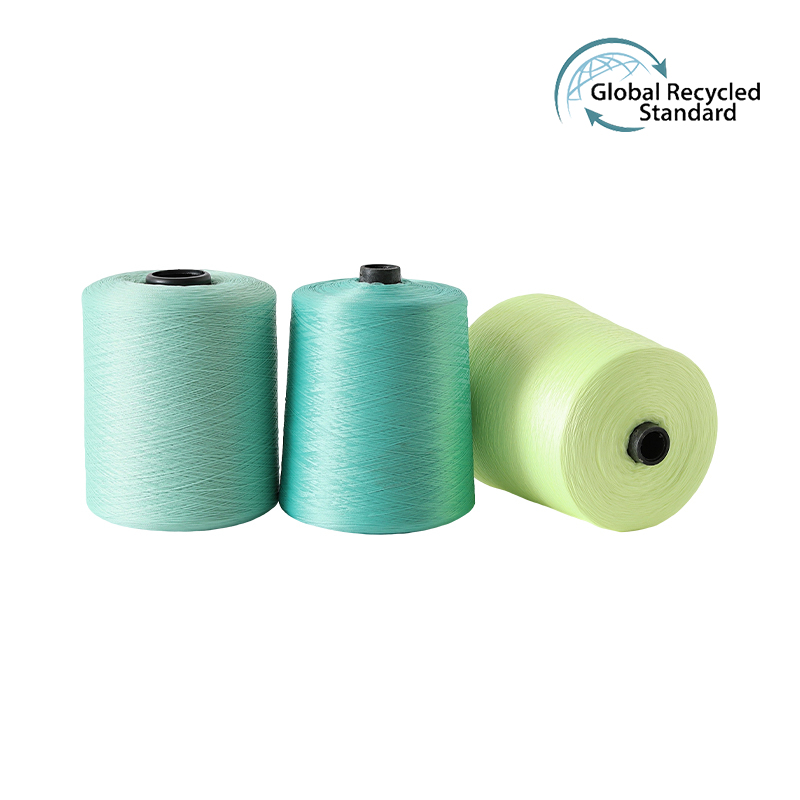
Key POY properties at a glance: moderate tenacity (2.0–2.8 g/d), high elongation at break, relatively low crystallinity, and a smooth, straight filament structure. Products like soft and durable POY yarn and recycled POY made from reclaimed polyester represent the two main sourcing options for downstream converters today.
What Happens When POY Becomes DTY
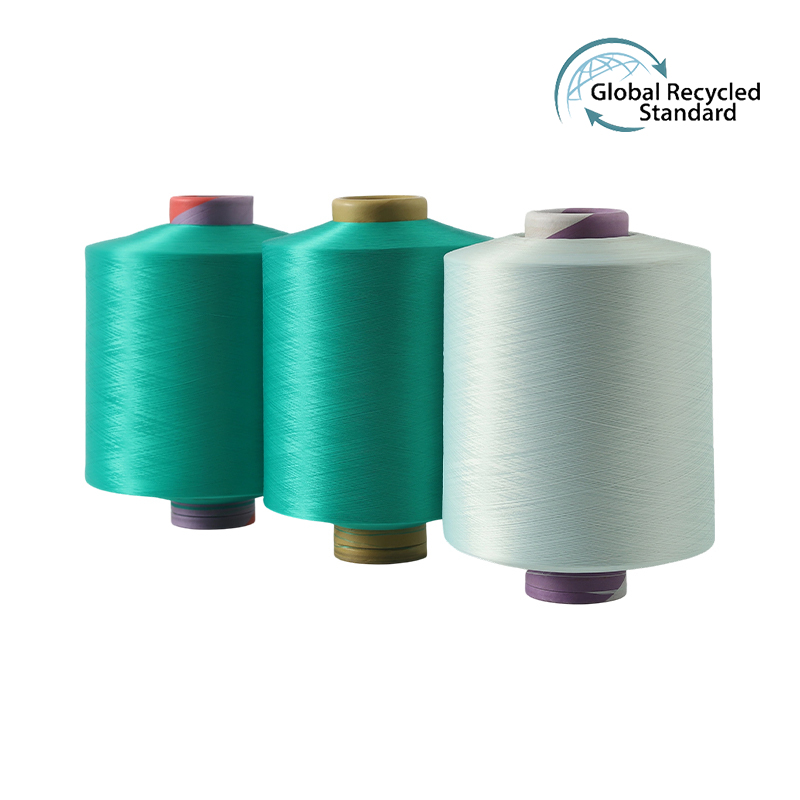
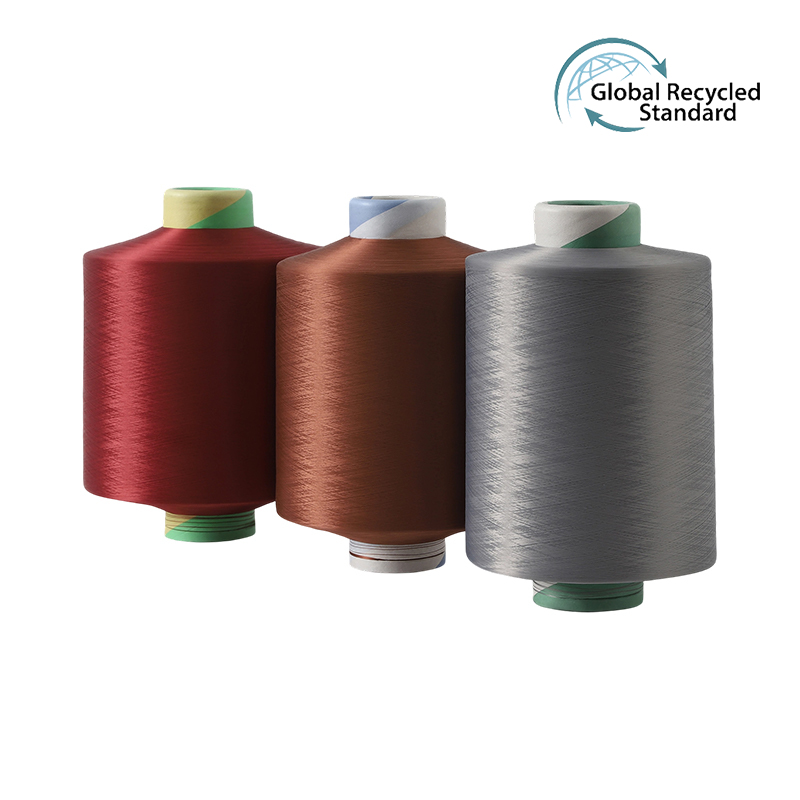
DTY (Draw Textured Yarn) is what POY becomes after passing through a texturing machine. The process draws the filament under heat while simultaneously false-twisting it — introducing a permanent crimp into the fiber structure. The result is a yarn with bulk, elasticity, and a soft hand feel that POY simply cannot offer.
The transformation changes the material's properties fundamentally:
| Property | POY | DTY |
|---|---|---|
| Structure | Straight filament | Crimped / textured |
| Elongation at break | 120–170% | 25–35% |
| Elasticity | Low | Moderate to high |
| Fabric-ready? | No | Yes |
| Typical end use | Texturing feed yarn | Apparel, home textiles |
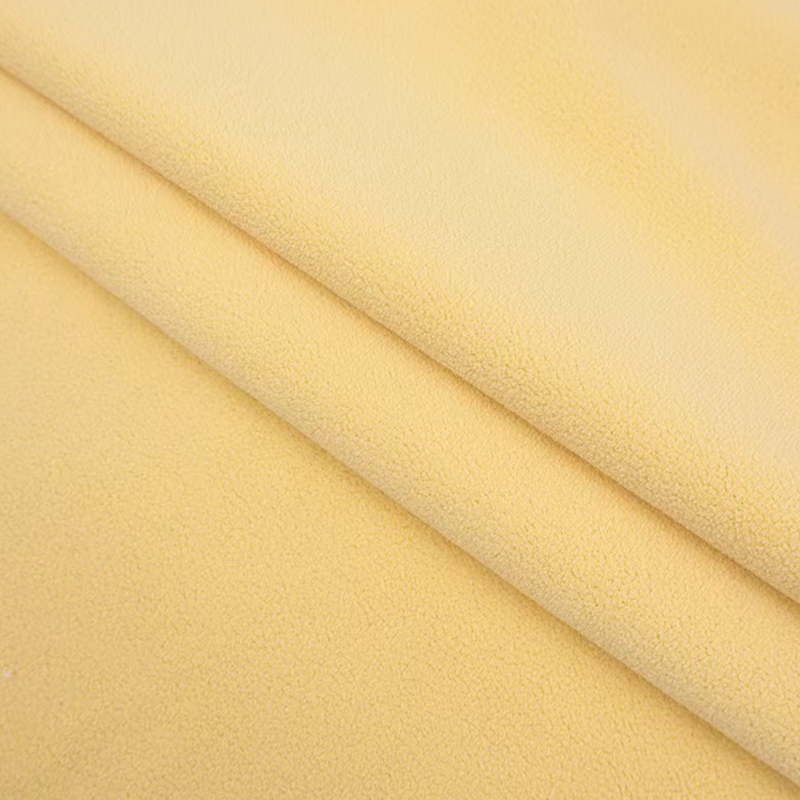
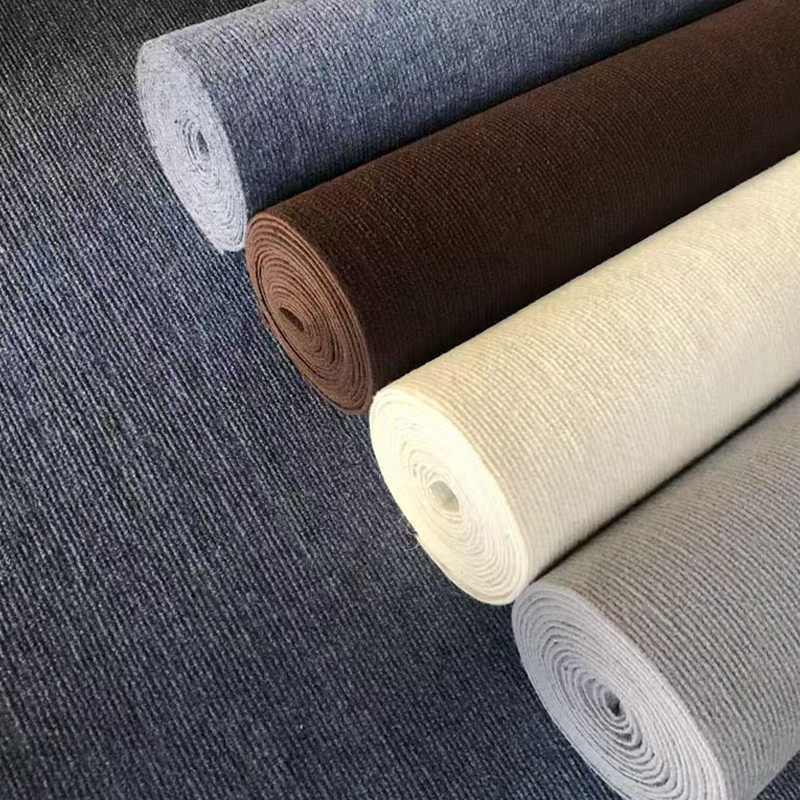
DTY's crimped structure traps air between filaments, which gives finished fabrics their softness, insulation, and moisture-wicking behavior. These properties are why DTY dominates in sportswear, underwear, bedding, sofa upholstery, and carpet overlocking — applications where comfort and recovery matter.
How to Read DTY/POY Specs: Denier and Filament Count
The numbers on a DTY/POY yarn spec sheet — like 75D/72F or 300D/144F — are not arbitrary. Denier (D) measures the yarn's linear density: higher denier means heavier, thicker yarn. Filament count (F) tells you how many individual fibers are bundled together: more filaments means a finer, softer texture for the same denier.
Here's a practical guide to common specifications and their applications:
- 50D/36F — Lightweight, low shrinkage. Suited for fine inner fabrics, linings, and light knits where dimensional stability matters. See the 50D/36F low-shrinkage DTY/POY for reference specs.
- 75D/72F — Fine filament count delivers strong moisture-wicking performance. Ideal for activewear and next-to-skin fabrics.
- 100D/96F — Anti-pilling, wear-resistant. A workhorse spec for mid-weight knits and outerwear.
- 150D/144F or 150D/288F — The 288F variant uses ultra-fine filaments for a noticeably softer hand; the 144F is stain-resistant and suited for upholstery.
- 300D/122F or 300D/144F — High tenacity versions built for heavy-duty applications: luggage fabric, automotive interiors, jacquard weaves.
- 450D–600D — Industrial-range specs with tear resistance and dimensional stability. Common in DTY overlock thread for carpet edging and heavy home textile production.
The rule of thumb: lower denier for softness and breathability, higher denier for strength and durability. Filament count refines the texture within any given weight range.
Choosing Between Standard and Recycled Variants
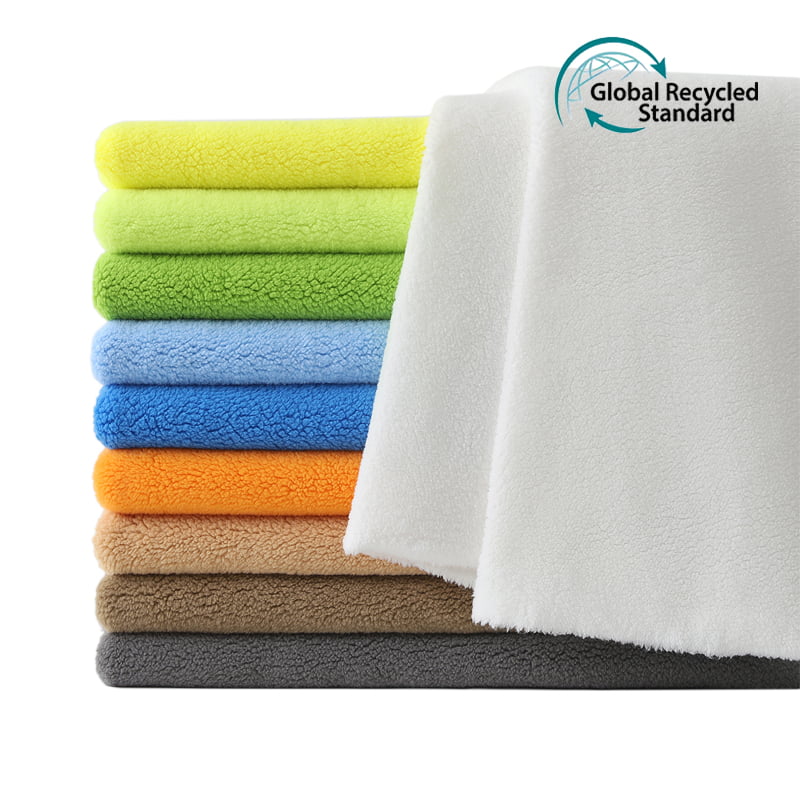
Both POY and DTY are now available in recycled versions, produced from post-consumer PET (primarily plastic bottles). Recycled DTY carries GRS (Global Recycled Standard) certification in most cases and performs comparably to virgin DTY in tensile strength, elongation, and color fastness — the differences in end-product quality are minimal for most applications.
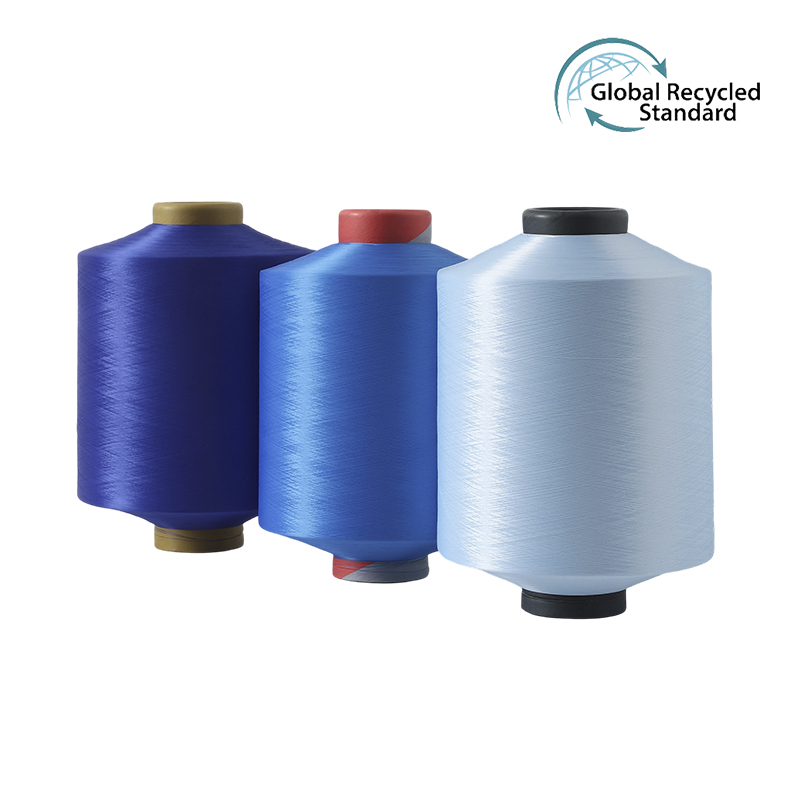
The practical consideration is supply chain documentation. Brands operating in markets with Extended Producer Responsibility regulations or sustainability disclosure requirements increasingly need certified recycled content. Recycled DTY yarn and recycled POY address this without sacrificing performance specs.
For buyers who don't have sustainability mandates, virgin DTY/POY remains the more cost-stable option with shorter lead times and broader spec availability.
Which Specification Fits Your Application?
If you're sourcing for the first time or evaluating a new product category, the decision tree is straightforward. Start with end-use performance requirements, then work backward to yarn spec:
- Activewear / underwear → 75D/72F or 100D/96F DTY, moisture-wicking finish
- Bedding / sofa fabric → 150D/144F or 150D/288F DTY, stain-resistant or ultra-fine variants
- Carpet overlocking → 300D–600D high-tenacity DTY, see the full DTY/POY product range for carpet-grade options
- Technical / industrial fabrics → 450D/192F or 600D/288F, prioritize tear resistance and pressure resistance
- Texturing operations (buying feed yarn) → Standard or recycled POY matched to your texturing machine's draw ratio
Color, elasticity level, and twist direction (S or Z) can be customized at the production stage for most specifications. Lead times typically run within 15 days from order confirmation, depending on production load.