English
 عربى
عربى Türk
Türk Español

Content
A broken overlock thread mid-seam doesn't just waste time — it can compromise the structural integrity of an entire garment run. The thread you load into your overlocker is one of the most consequential decisions in production, yet it rarely gets the attention it deserves. Here's what actually matters when choosing overlock sewing yarn.
Why Overlock Thread Is Not the Same as Regular Sewing Thread
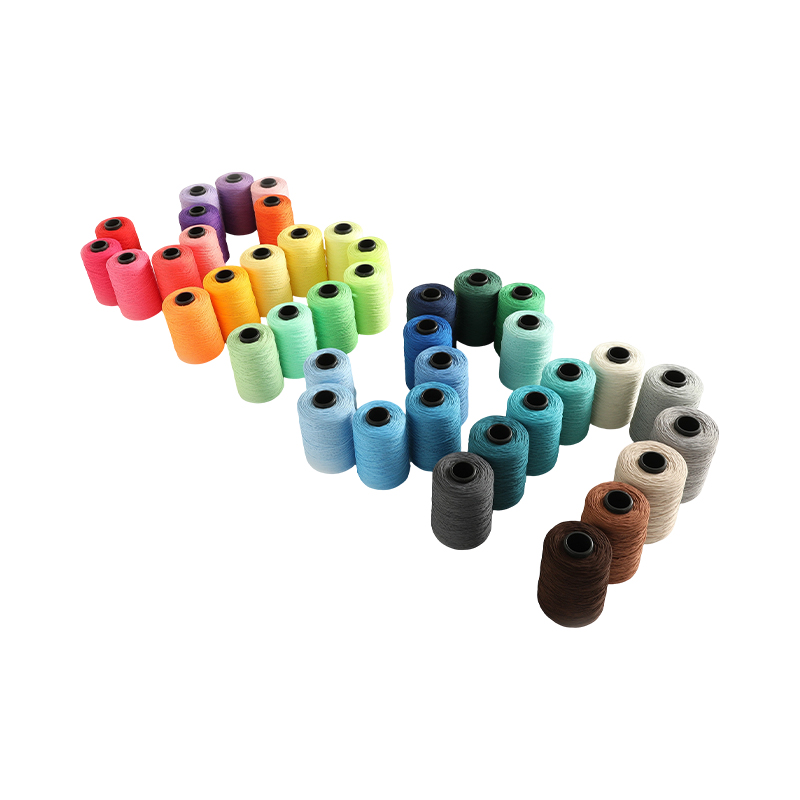
Overlock machines run at speeds of up to 8,000 stitches per minute — several times faster than a standard sewing machine. At those speeds, ordinary thread generates excessive friction and heat, leading to breakage, puckering, and uneven seams. Overlock sewing yarn is engineered with a special surface coating and consistent filament structure to withstand this mechanical stress without degrading.
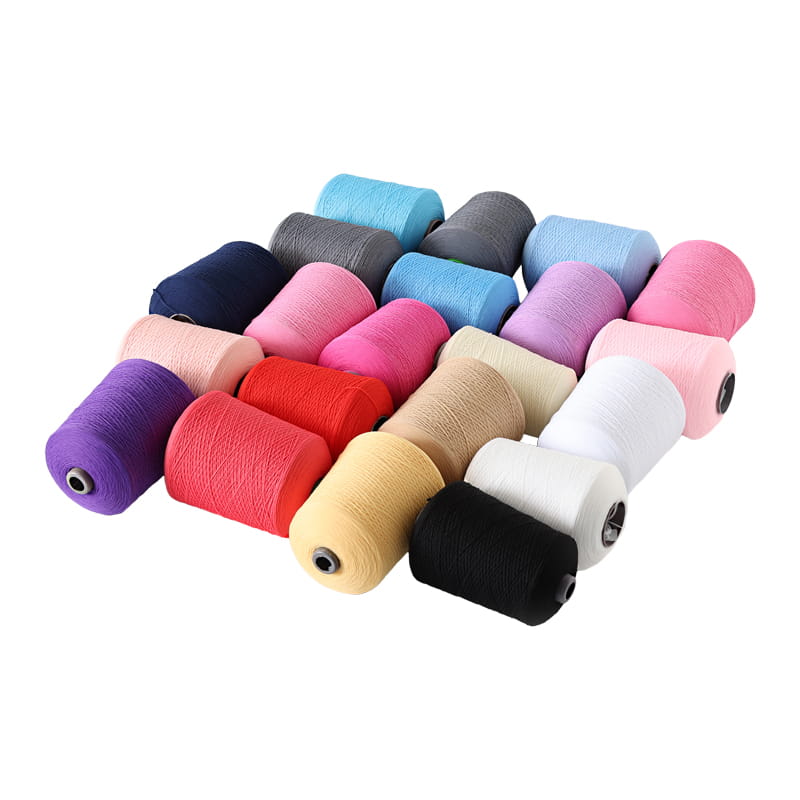
The looper threads in an overlocker consume significantly more yarn than needle threads, so large cone formats (typically 1,000 to 5,000 meters) are standard. Using regular spools here creates constant interruptions and inconsistent tension.
Thread Materials: Matching Fiber to Application
Three fiber types dominate the overlock thread market, each with a distinct performance profile:
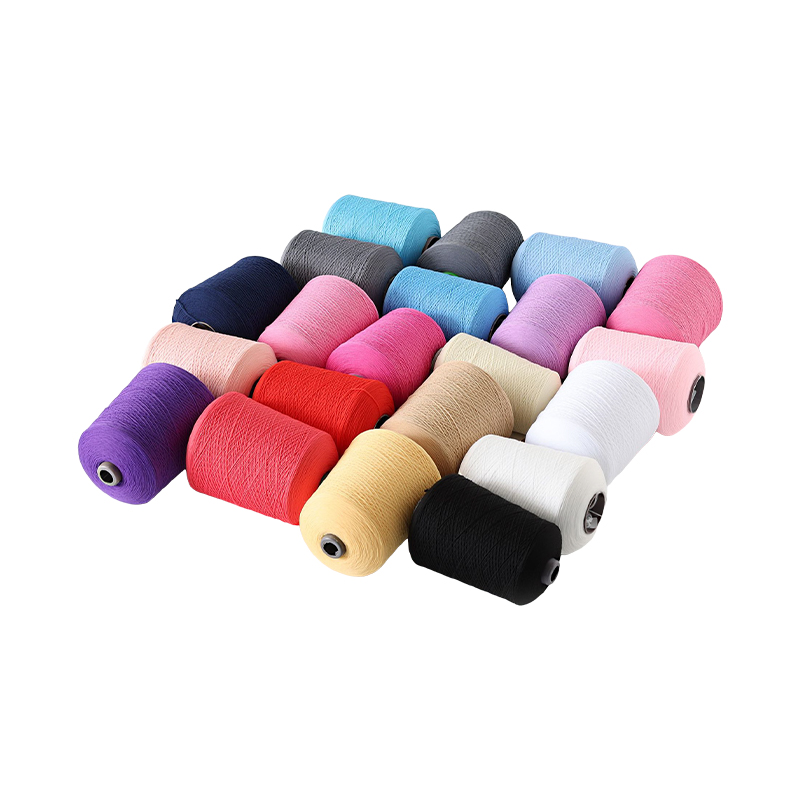
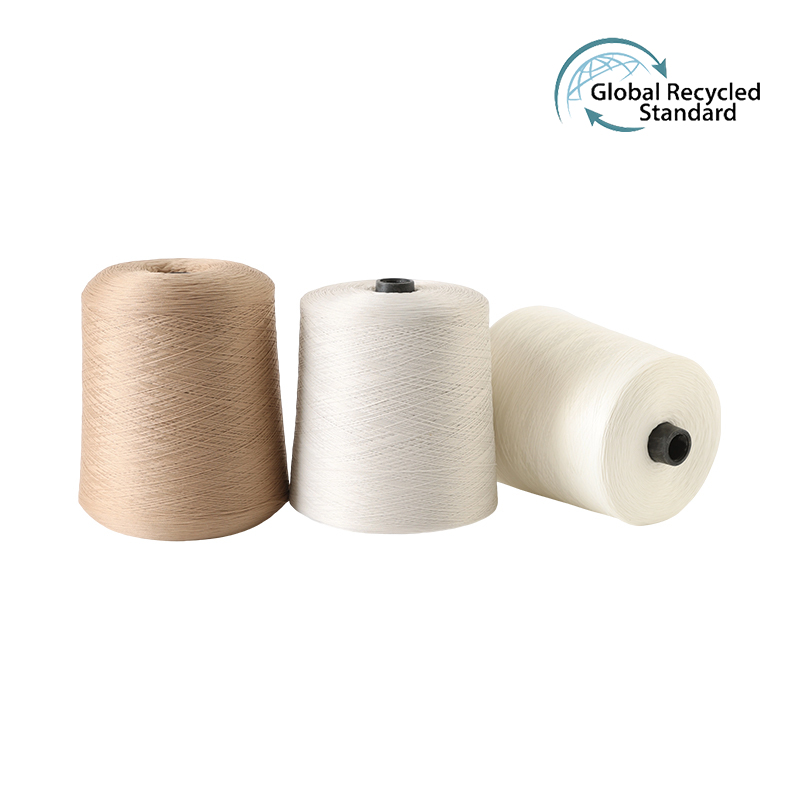
- Polyester — The most versatile choice. It offers high tensile strength, excellent UV resistance, and consistent color retention through repeated washing. Ideal for garments, towels, carpets, and any product exposed to repeated laundering or outdoor conditions. Most industrial overlock operations default to polyester for its reliability across fabric types. Our overlock sewing yarn for towels and carpets is built on this fiber foundation.
- Woolly Nylon (Textured Nylon) — Highly elastic and soft, this is the thread of choice for swimwear, lingerie, and activewear. It stretches with the fabric instead of fighting it, preventing popped seams during movement. However, it degrades with prolonged UV exposure, making it unsuitable for outdoor applications.
- Spun Cotton — Used for delicate, breathable applications like fine wovens and baby garments. Lower tensile strength than polyester means it's not suited for high-stress seams or industrial volumes.
For most commercial textile production — including towel edging and carpet finishing — polyester overlock yarn is the default precisely because it handles both the mechanical demands of the machine and the end-use demands of the product.
Thread Weight and Stitch Configuration
Thread weight determines how much bulk a seam carries. Lighter threads (higher count numbers like 120s) produce cleaner, flatter seams on delicate fabrics. Heavier threads (lower count like 40s or 60s) add body and durability for thick materials.
The stitch configuration also drives thread selection:
- 3-thread overlock — Best for lightweight to medium-weight fabrics; uses less thread, creates a cleaner edge. Common for knitwear and light wovens.
- 4-thread overlock — Adds a second needle thread for stronger, more durable seams. Preferred for medium-to-heavy fabrics, fitted garments, and any application where seam stress is expected.
- Rolled hem — Requires a finer thread weight for the narrow, curled finish to lie flat. Using a thread that's too heavy here causes the hem to bulk up and lose its shape.
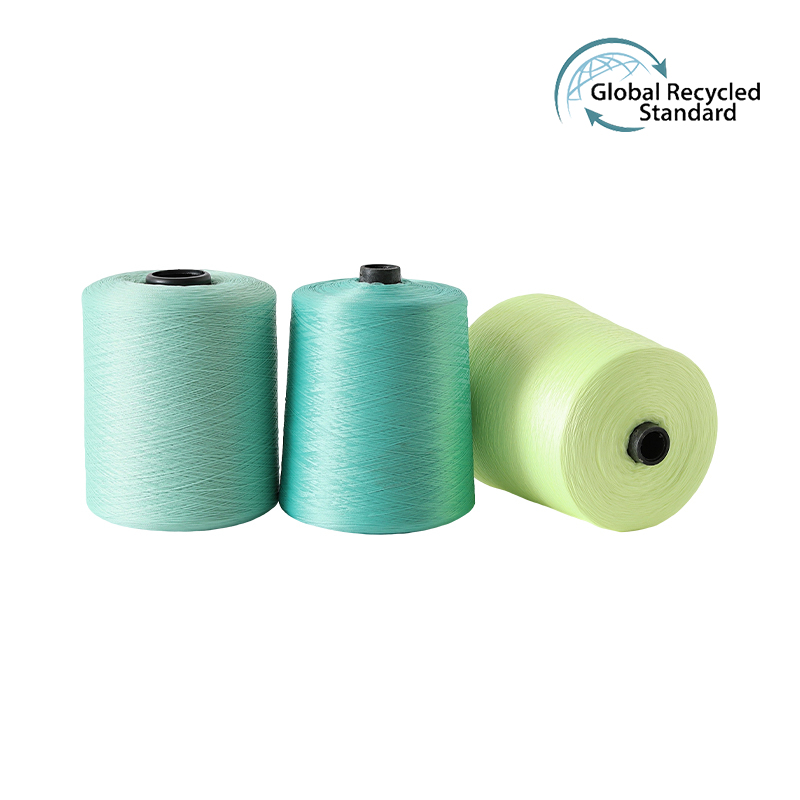
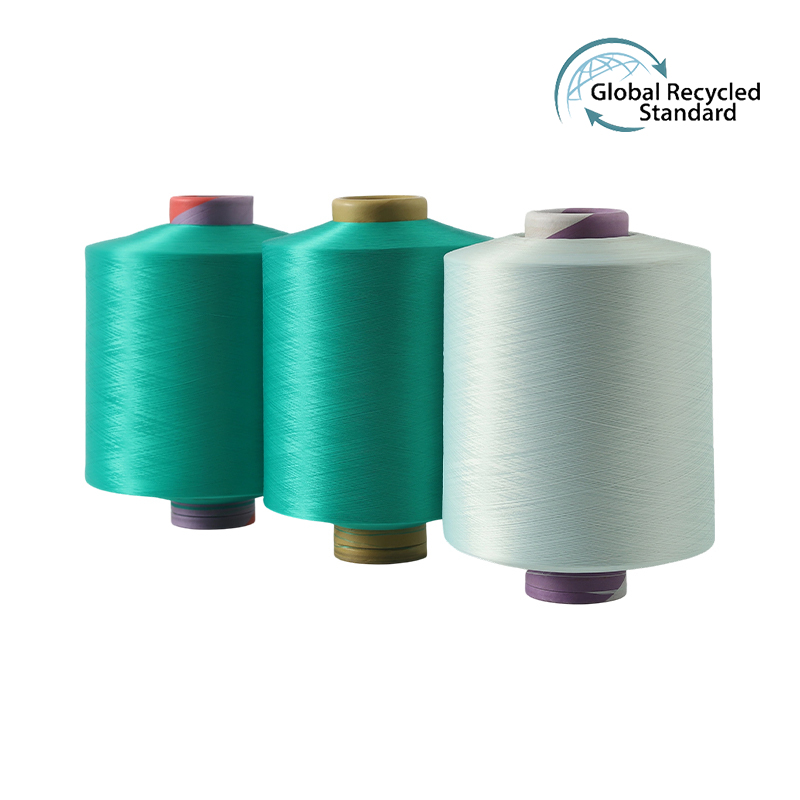
For carpet edge finishing specifically, DTY-based overlock thread provides the combination of bulk and resilience needed to wrap a carpet edge cleanly without fraying. See how our DTY overlock thread for carpets handles these requirements.
Tension, Elasticity, and Seam Performance
Thread elasticity directly affects whether seams hold or pop under stress. A thread with too little elongation will snap when a knit fabric is stretched — the seam breaks before the fabric does. Woolly nylon solves this for stretch fabrics, but for stable woven materials, a standard polyester thread's moderate elasticity (typically 20–30% elongation at break) is more appropriate.
Uneven tension is almost always a threading or thread quality issue, not a machine problem. Inconsistent filament diameter — a sign of lower-quality yarn — causes the tension discs to grip unevenly, producing loops on one side of the seam. Always test a new thread on scrap fabric first and adjust tension with the presser foot down so the discs are engaged. Thread tensile strength is standardized under ISO 2062 and ASTM D2256 testing methods, which measure breaking force and elongation — useful benchmarks when sourcing thread for industrial production.
Specialized Applications: Towels and Carpets
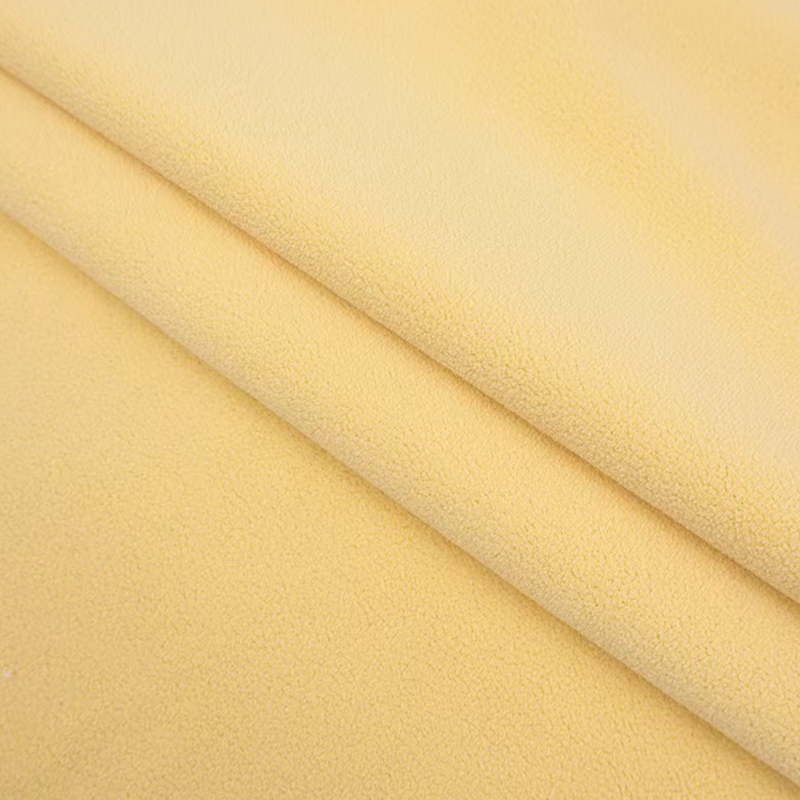
Towel edge locking is one of the most demanding overlock applications. The thread must withstand hundreds of wash cycles at high temperatures without shrinking, pilling, or losing color. High-elastic polyester overlock yarn is engineered specifically for this — the elasticity allows the looped edge to flex during washing without breaking, while the polyester base resists both moisture and heat degradation. Our high-elastic towel overlock sewing yarn is designed around these exact performance requirements.
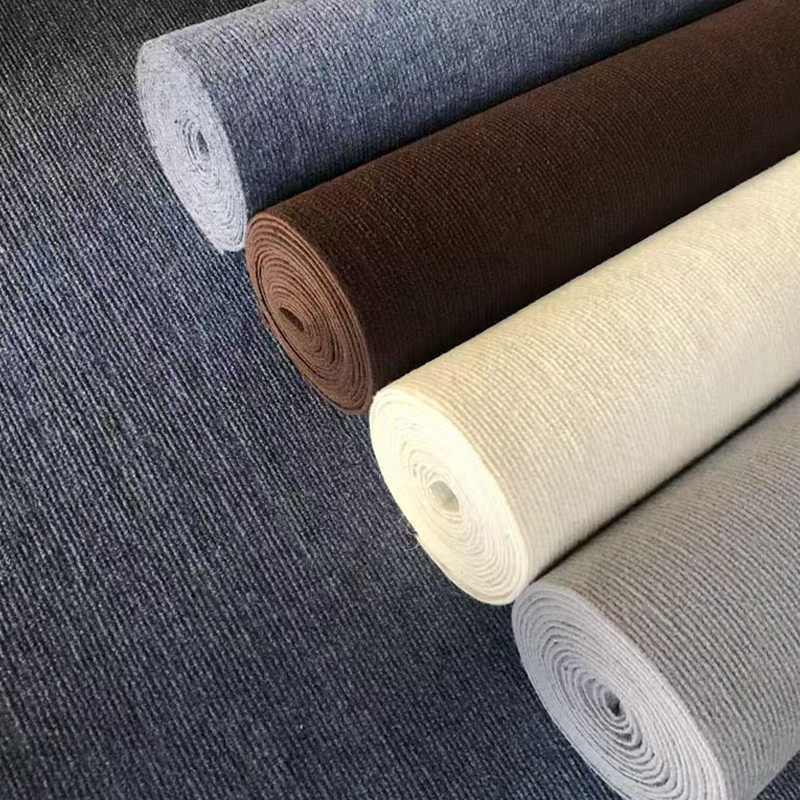
Carpet overlocking calls for a different balance — bulk and abrasion resistance over elasticity. DTY (Draw Textured Yarn) overlock thread fills this role well, providing the coverage needed to lock a carpet edge cleanly while resisting the mechanical wear of foot traffic areas. Our DTY overlock thread for towels follows the same performance logic applied to fabric-edge products.
Practical Selection Checklist
Before loading a new thread, confirm these four variables align with your application:
- Fabric type — Stretch or stable? Lightweight or heavy? This determines fiber choice and stitch configuration.
- End-use stress — Will the seam face repeated washing, UV exposure, or mechanical load? Match thread durability accordingly.
- Thread weight — Does it suit the stitch type and fabric weight without adding unnecessary bulk?
- Filament consistency — Industrial runs require consistent diameter throughout the cone. Irregular thread causes tension problems that slow production and waste material.
The right overlock sewing yarn doesn't just finish a seam — it determines how long that seam lasts in the real world. Getting this decision right once saves significant time, material, and rework costs across any production run.