English
 عربى
عربى Türk
Türk Español

Content
- 1 What Yarn Works Best for Overlock Sewing?
- 2 Understanding Overlock Thread vs. Regular Sewing Thread
- 3 Types of Yarn Used in Overlock Sewing
- 4 Thread Weight Guide for Overlock Sewing
- 5 How to Match Overlock Yarn to Fabric Type
- 6 Practical Tips for Using Overlock Yarn Effectively
- 7 Common Mistakes When Selecting Overlock Sewing Yarn
- 8 Recommended Overlock Thread Brands and What They're Known For
What Yarn Works Best for Overlock Sewing?
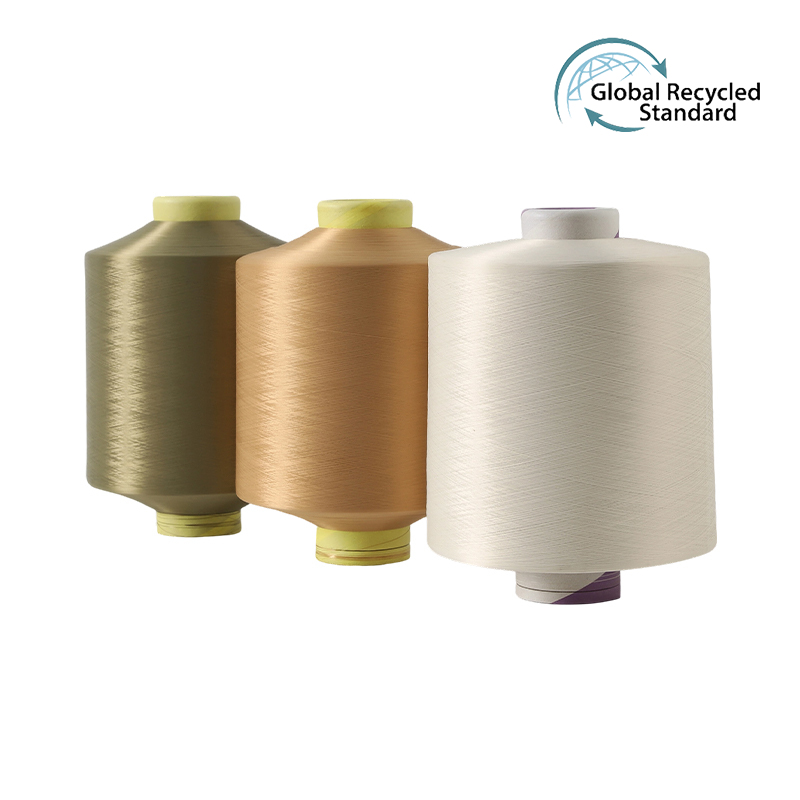
For most overlock (serger) sewing, polyester serger thread in 120/2 or 2/100 weight is the go-to choice. It's strong, slightly stretchy, and runs smoothly through the loopers and needles of an overlocker without constant breakage. That said, the best yarn for your project depends on fabric type, stitch function, and the finish you want to achieve.
This guide breaks down thread types, weights, and practical selection tips so you can get clean, professional edges every time.
Understanding Overlock Thread vs. Regular Sewing Thread
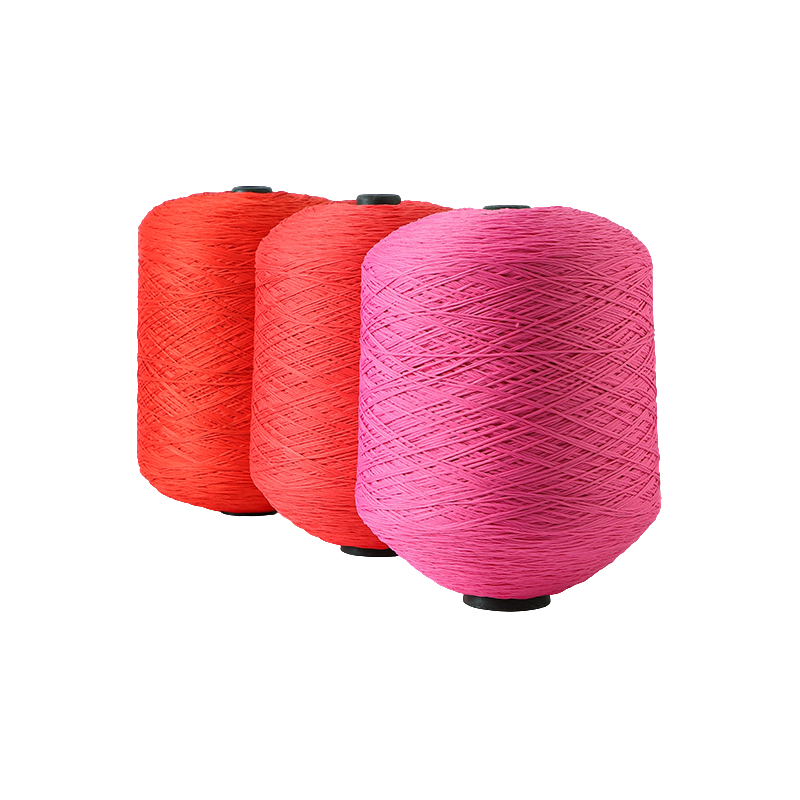
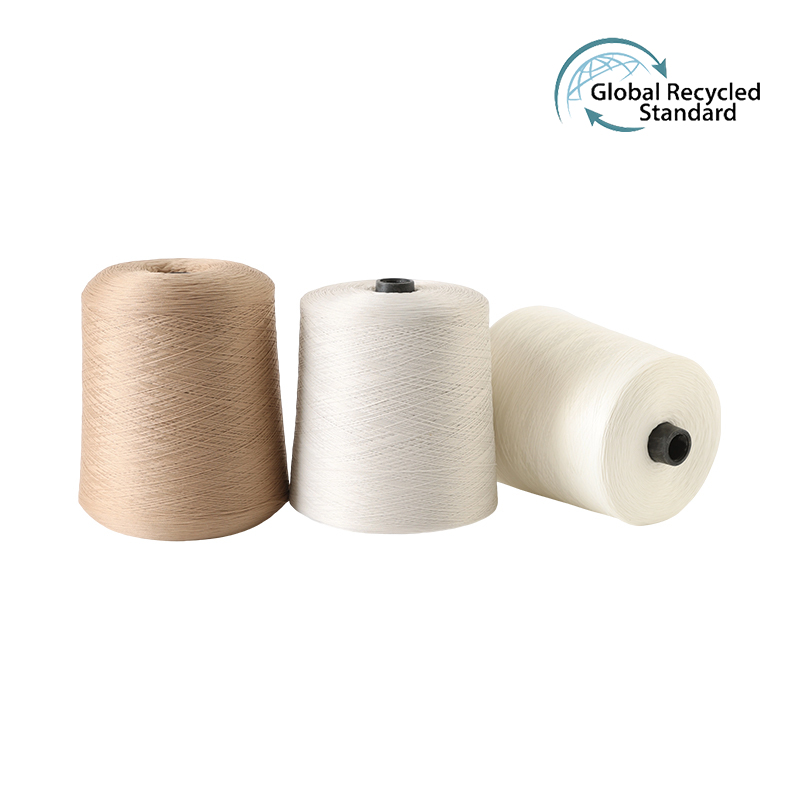
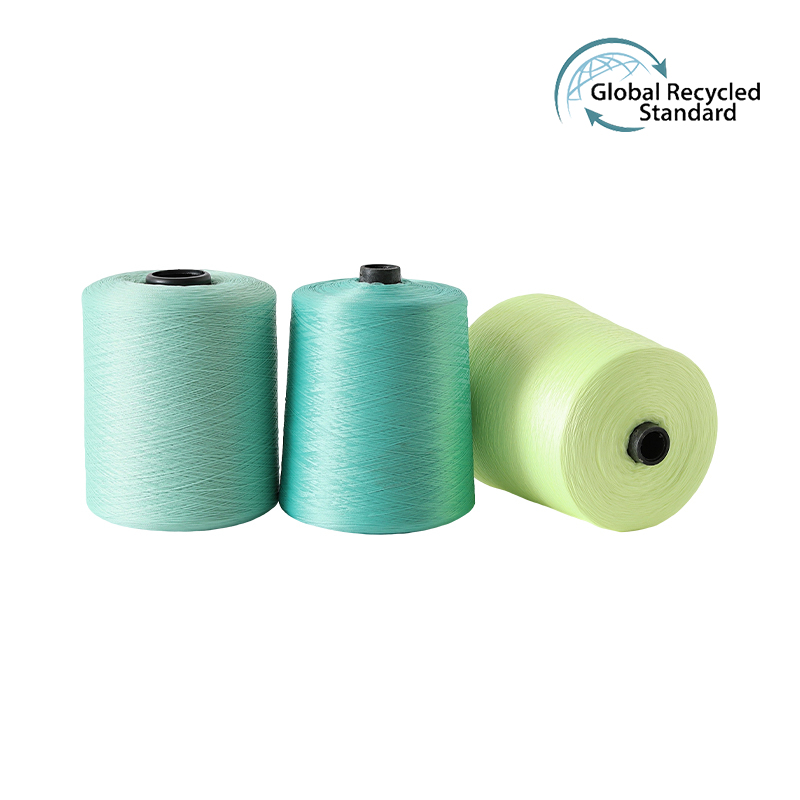
Overlock sewing yarn is not the same as standard sewing thread. Serger machines consume thread at a much higher rate — a 4-thread overlock stitch can use up to 4 times more thread than a regular sewing machine for the same seam length. That's why serger thread is typically sold on large cones of 1,000 to 6,000 meters rather than small spools.
Key differences include:
- Cone format: Designed for high-volume thread feed through loopers.
- Finer weight: Overlock thread is generally thinner to avoid bulk in the seam allowance.
- Smoother finish: Less texture ensures it flows quickly through the looper eyes without friction buildup.
- Slight give: Many serger threads have a small amount of stretch to match the movement of serged seams.
Using standard spooled thread on a serger is possible in a pinch, but it leads to inconsistent tension and more frequent thread breaks, especially at high speeds.
Types of Yarn Used in Overlock Sewing
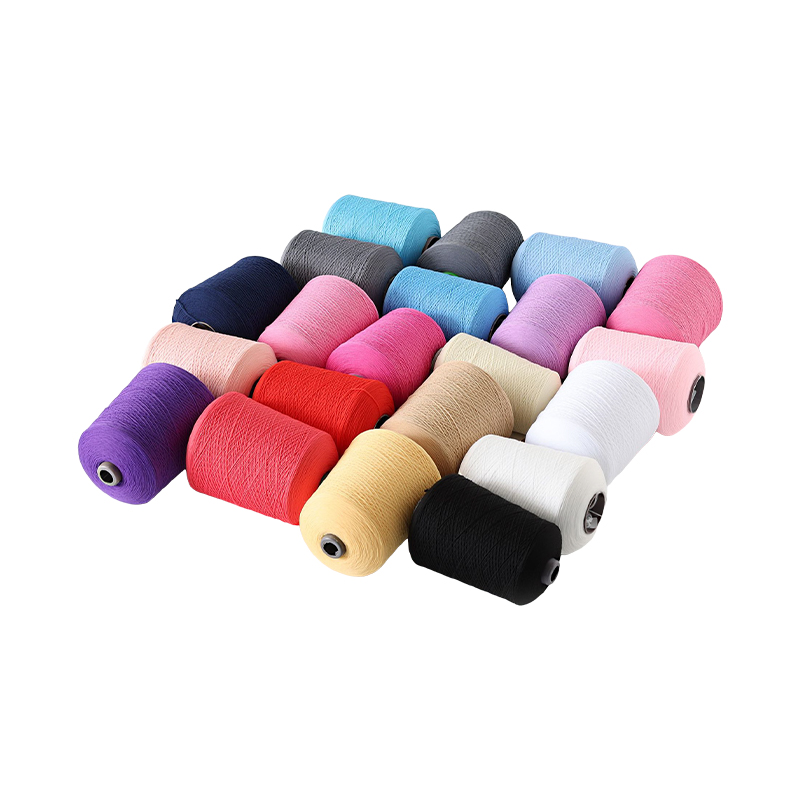
Different thread fibers suit different sewing scenarios. Here's a practical overview of the most common overlock sewing yarn types:
Polyester Thread
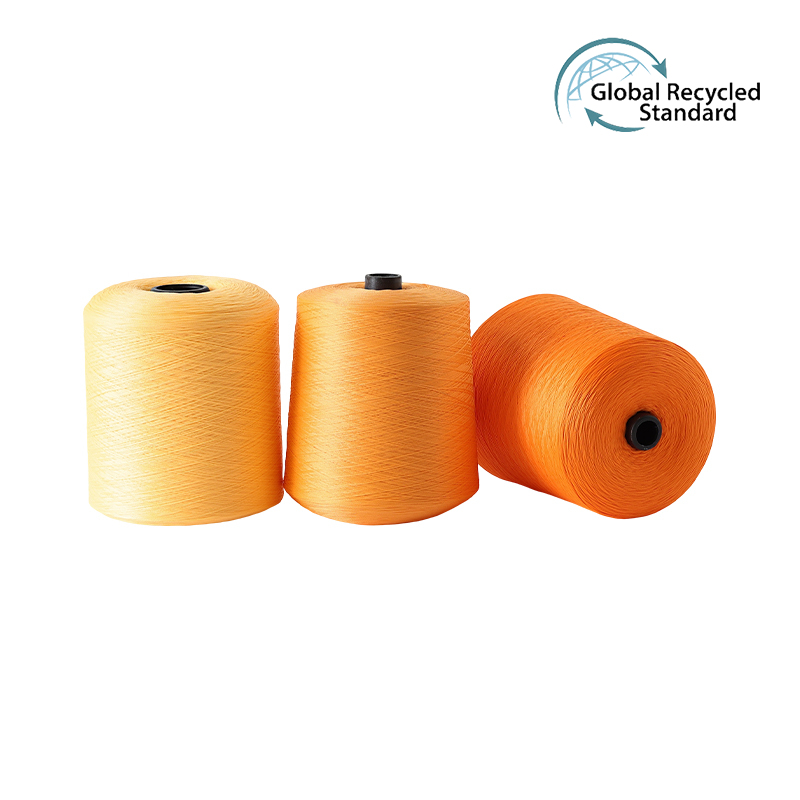
The most widely used overlock yarn. Polyester offers excellent tensile strength, colorfastness, and a slight elasticity that prevents seam popping. It's compatible with nearly all fabrics and holds up well through repeated washing. Brands like Coats & Clark and Gutermann produce reliable polyester serger cones in hundreds of colors.
Cotton Thread
Best used with natural fiber fabrics like linen, quilting cotton, or denim. Cotton thread has no stretch, making it unsuitable for knit fabrics. It's softer against skin and easier to press flat, which is why it's preferred in heirloom or couture sewing. However, it breaks more easily at high serger speeds, so tension adjustment is important.
Woolly Nylon (Textured Nylon)
A popular choice for lingerie, swimwear, and activewear. Woolly nylon is a fluffy, texturized thread that expands when sewn, creating a soft, filled edge that's both stretchy and comfortable against the skin. It's typically used in the lower looper for rolled hems or flatlock stitches. One 1,000m cone can cover a significant number of garment edges.
Rayon/Viscose Thread
Rayon thread has a high-sheen, silk-like appearance and is often used in decorative overlocking — particularly for visible flatlock seams on fashion garments or artistic textile work. It's weaker than polyester, so it's best reserved for the loopers rather than the needles.
Specialty Threads (Metallic, Elastic)
Metallic thread creates striking decorative edges but requires slower machine speed and a larger needle eye to prevent shredding. Elastic thread or clear monofilament can be used in loopers for invisible hems or highly elastic finishes, respectively.
Thread Weight Guide for Overlock Sewing
Thread weight directly affects seam bulk, strength, and appearance. The following table summarizes common thread weights used in overlock sewing and their ideal applications:
| Thread Weight | Common Designation | Best For | Notes |
|---|---|---|---|
| Fine / Light | 120/2, 2/100 | Sheer fabrics, lingerie, rolled hems | Minimizes bulk; most common serger weight |
| Medium | 60/2, 2/60 | Knits, wovens, general garment sewing | Versatile all-purpose choice |
| Heavy | 40/2, 30/2 | Denim, canvas, upholstery fabric | Use in loopers for decorative flatlock seams |
| Woolly Nylon | Textured/Bulked | Swimwear, activewear, stretch hems | Expands to fill looper; very soft finish |
How to Match Overlock Yarn to Fabric Type
Choosing the right thread isn't just about fiber — it's about matching the thread behavior to how your fabric moves and behaves under stress.
- Knit fabrics (jersey, ribbing, spandex): Use polyester or woolly nylon — both have enough stretch to prevent seam breakage during wear.
- Woven fabrics (cotton, linen, silk): Standard polyester or cotton thread in medium weight works well. Use finer thread for delicate weaves like chiffon or organza.
- Swimwear and activewear: Woolly nylon in the lower looper paired with polyester thread in the needles and upper looper is a proven combination — the seam stretches over 100% without breaking.
- Heavyweight fabrics (denim, canvas): Use a heavier polyester in the needle and a lighter thread in the loopers to avoid seam bulk while maintaining edge strength.
- Sheer fabrics: Fine polyester or rayon thread in the lightest available weight (120/2) prevents visible thread lines through the fabric.
Practical Tips for Using Overlock Yarn Effectively
Even the best thread will underperform if used incorrectly. These tips help you get consistent results:
- Thread all cones in the correct order — most sergers require threading from the needle first, then upper looper, then lower looper. Incorrect order causes tension issues.
- Use thread nets on large cones — cone thread can unwind unevenly at high speed. A simple mesh thread net stabilizes the unwind and prevents tangles.
- Test tension on a scrap piece of fabric before sewing your actual project. A balanced stitch shows no loops pulling to either side of the seam.
- Match thread weight across all positions — mixing very heavy thread in the needle with very fine thread in the loopers creates uneven stitch formation.
- Store cones away from direct sunlight — UV exposure degrades polyester and weakens thread over time, even before it's sewn.
- Clip thread tails securely at the start and end of seams, or run them back through the stitches using a hand needle, to prevent unraveling.
Common Mistakes When Selecting Overlock Sewing Yarn
Avoiding these errors will save you time and thread:
- Using regular sewing thread on cones: Spool thread is wound differently and doesn't unwind at the angle or speed sergers require, leading to frequent jams.
- Choosing thread that's too thick for the fabric: Heavy thread on lightweight fabric creates stiff, bulky seam edges that pucker and look unprofessional.
- Ignoring fiber compatibility: Using 100% cotton thread on a stretch knit garment will result in seam breakage after a few wears because cotton has no give.
- Buying bargain thread without testing it: Low-quality thread often has inconsistent twist, leading to frequent breakage mid-seam. Stick to reputable brands for critical projects.
Recommended Overlock Thread Brands and What They're Known For
Several brands have established strong reputations in the overlocking community:
- Coats & Clark Serger Thread: Widely available, affordable, and consistent. Their 1,000-yard polyester cones are a staple in home sewing rooms.
- Gutermann Tera: Industrial-grade polyester thread with very high tensile strength, often used in professional garment production and available in large industrial cone sizes.
- Madeira Aerolock: Specifically engineered for sergers with a core-spun structure that offers superior strength and lint reduction.
- YLI Woolly Nylon: The most commonly recommended woolly nylon brand by sewing educators. It expands evenly and holds tension well across different machine models.
- Aurifil Mako Cotton: For sewers who prefer natural fibers, Aurifil's long-staple Egyptian cotton thread runs smoothly even on faster serger settings.