English
 عربى
عربى Türk
Türk Español

Content
- 1 What Is Recycled DTY and Why It Matters
- 2 How Recycled DTY Is Produced
- 3 Key Specifications and Common Counts
- 4 Recycled DTY vs Virgin DTY: A Practical Comparison
- 5 Main Applications of Recycled DTY
- 6 Certifications and Traceability
- 7 Environmental Impact: The Numbers Behind the Claims
- 8 Quality Considerations When Sourcing Recycled DTY
- 9 Market Trends Shaping Recycled DTY Demand
- 10 Conclusion
What Is Recycled DTY and Why It Matters
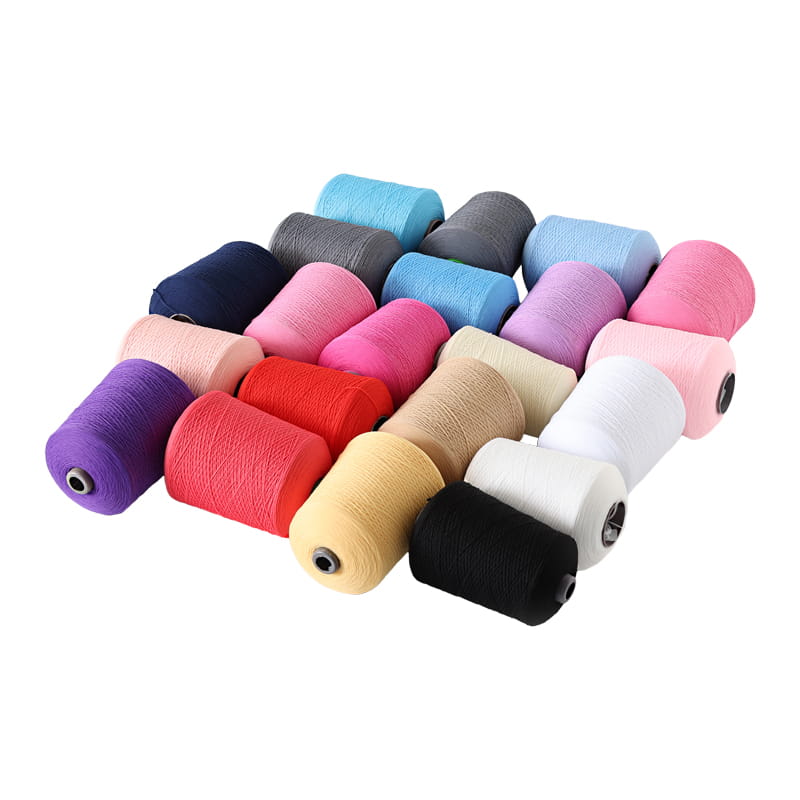
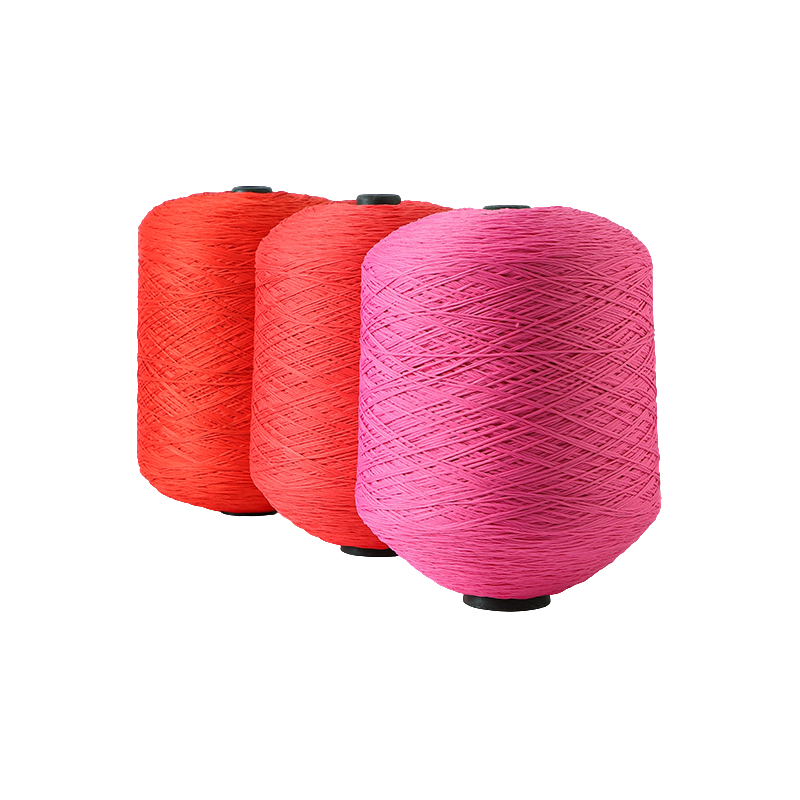
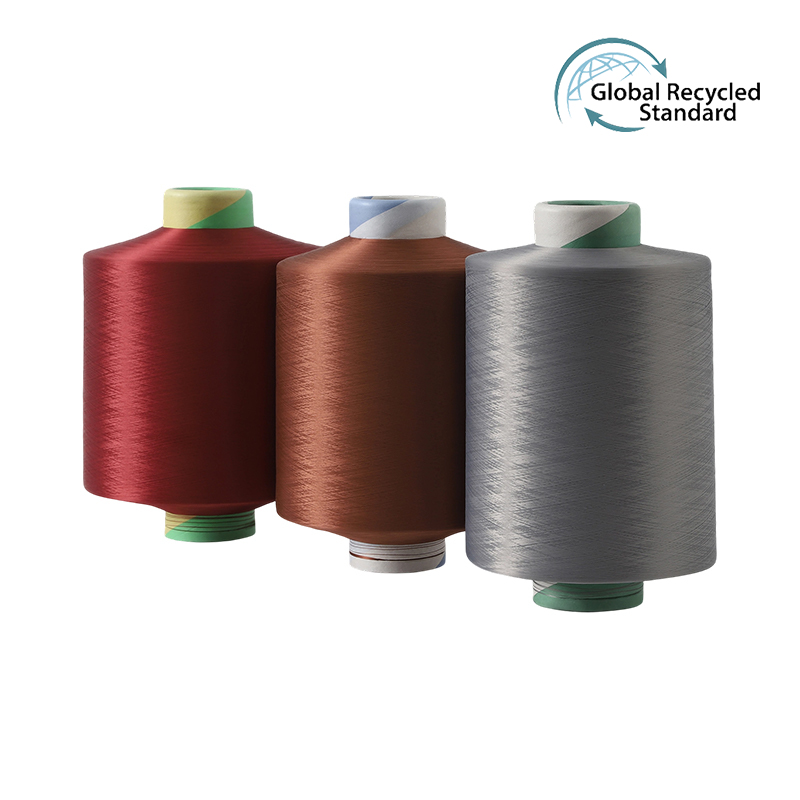
Recycled DTY, short for Recycled Draw Textured Yarn, is a polyester yarn produced from post-consumer recycled materials, most commonly PET bottles. It undergoes a draw texturing process that gives it elasticity, softness, and bulk, making it functionally equivalent to virgin DTY while carrying a significantly lower environmental footprint. For textile manufacturers and brands committed to sustainability, recycled DTY is the most widely adopted solution for replacing conventional polyester yarn in fabric production.
The global recycled polyester fiber market was valued at approximately 8.3 billion USD in 2023 and is projected to surpass 15 billion USD by 2030, driven largely by demand for recycled DTY in apparel, home textiles, and activewear. Understanding its production, properties, and applications helps buyers make informed sourcing decisions.
How Recycled DTY Is Produced
The manufacturing process of recycled DTY begins long before the yarn is wound onto a bobbin. It involves several carefully controlled stages that transform waste plastic into a high-performance textile fiber.
From PET Bottles to Chips
Collected PET bottles are sorted by color, cleaned, shredded into flakes, and melted down. The melt is filtered and extruded into small pellets known as recycled PET chips. Color consistency and impurity control at this stage directly affect the final yarn quality. Clear or light-colored bottles produce whiter chips, which are better suited for dyeing into bright shades.
Spinning into POY
The recycled chips are re-melted and extruded through spinnerets to form Partially Oriented Yarn, known as POY. This intermediate product has limited stretch and strength on its own. Recycled POY serves as the direct feedstock for the DTY texturing process.
Draw Texturing to Create DTY
POY is fed into a draw texturing machine where it is simultaneously drawn at a controlled ratio and passed through a friction or air-jet texturing zone. This imparts a crimped, coiled structure to the filaments, giving DTY its characteristic bulk, softness, and elongation. The result is a yarn with elongation values typically ranging from 25 to 35 percent, comparable to virgin DTY in most applications.
Key Specifications and Common Counts
Recycled DTY is available in a wide range of counts, filament configurations, and surface finishes. Selecting the right specification is critical for achieving the intended fabric hand, weight, and performance.
| Count (Denier) | Filaments | Luster | Typical Application |
|---|---|---|---|
| 75D / 36F | 36 | Semi-dull / Bright | Woven linings, lightweight shirts |
| 100D / 144F | 144 | Semi-dull | Activewear, knitted sportswear |
| 150D / 48F | 48 | Full-dull | Outerwear, fleece fabrics |
| 300D / 96F | 96 | Semi-dull | Bags, upholstery, home textiles |
| 600D / 192F | 192 | Semi-dull | Heavy-duty bags, industrial textiles |
Beyond count and filament number, buyers should also specify twist direction (S or Z twist), intermingling level (low, normal, or high), and whether the yarn requires an anti-static or other functional finish.
Recycled DTY vs Virgin DTY: A Practical Comparison
One of the most common questions in sourcing is whether recycled DTY performs comparably to its virgin counterpart. The answer depends on the quality tier of the recycled material and how the production process is controlled.
| Property | Recycled DTY | Virgin DTY |
|---|---|---|
| Tenacity | 3.5 to 4.2 cN/dtex | 3.8 to 4.5 cN/dtex |
| Elongation at Break | 25 to 35% | 28 to 38% |
| Dye Uptake | Slightly lower | Standard reference |
| CO2 Reduction vs Virgin | Up to 45% lower | Baseline |
| Energy Consumption | 30 to 50% less | Baseline |
| Price Premium vs Virgin | 5 to 15% higher | Baseline |
For most apparel and home textile applications, the performance gap between high-quality recycled DTY and virgin DTY is negligible. The slight difference in dye uptake can be managed through process adjustments in the dyehouse, and the mechanical properties meet standard garment construction requirements.
Main Applications of Recycled DTY
Recycled DTY has found adoption across a broad range of end-use categories. Its versatility stems from the ability to adjust denier, filament count, and texturing profile to meet varying fabric requirements.
- Activewear and sportswear: Fine-denier recycled DTY such as 75D or 100D variants are widely used in knitted performance fabrics that require stretch, moisture management, and lightweight construction.
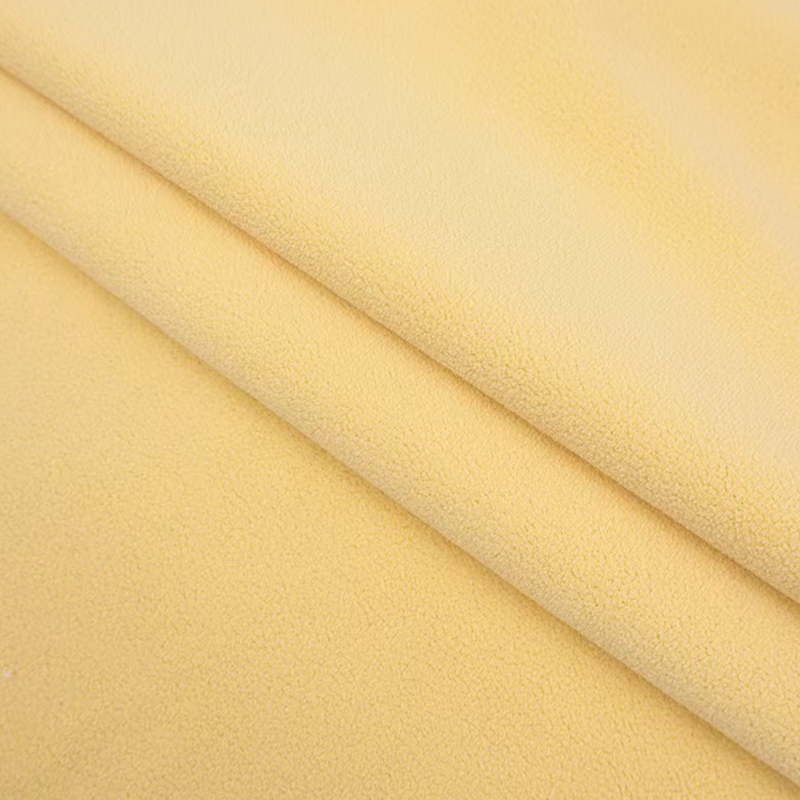
- Fleece and outerwear: Heavier counts like 150D and 300D are brushed or napped to create recycled fleece, a segment that has seen rapid growth as brands seek eco-credible alternatives to conventional polar fleece.
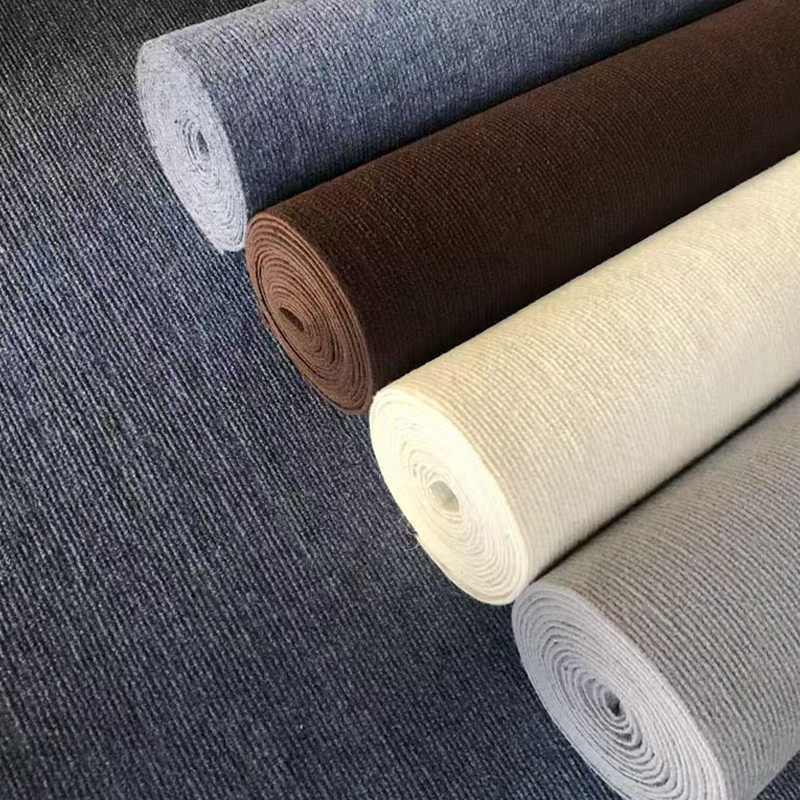
- Home textiles: Cushions, blankets, curtains, and upholstery fabrics frequently use recycled DTY at mid to heavy deniers to achieve the required weight and surface character.
- Woven linings and dress fabrics: Bright or semi-dull recycled DTY at fine counts produces smooth, lustrous fabrics suitable for lining jackets and making lightweight woven garments.
- Bags and accessories: High-tenacity recycled DTY is used in woven bag fabrics and straps where abrasion resistance and structural stability are priorities.
Certifications and Traceability
Certifications play a central role in validating recycled content claims and establishing supply chain credibility. Buyers sourcing recycled DTY should understand which certifications apply and what they actually verify.
GRS - Global Recycled Standard
GRS is the most recognized certification for recycled DTY globally. It verifies that a minimum of 20 percent recycled content is present and that the full supply chain, from chip producer to yarn spinner to fabric mill, is certified. Products with 100 percent certified recycled content can be labeled as GRS 100.
RCS - Recycled Claim Standard
RCS focuses purely on tracking and verifying recycled content without the social and environmental processing criteria found in GRS. It is suitable for brands that need content verification but operate within their own broader sustainability frameworks.
OEKO-TEX STANDARD 100
This certification addresses chemical safety, ensuring recycled DTY does not contain harmful substances above defined thresholds. It complements GRS by covering the product safety dimension that GRS does not address directly.
Many reputable recycled DTY suppliers hold both GRS and OEKO-TEX certifications, and some also carry ISO 14001 environmental management certification at the facility level. When evaluating suppliers, requesting scope certificates rather than just certificates of conformity ensures the specific product being sourced is within the certified scope.
Environmental Impact: The Numbers Behind the Claims
Sustainability claims about recycled DTY are only credible when supported by measurable data. Life cycle assessment studies have consistently documented significant environmental benefits compared to virgin polyester production.
- Producing one kilogram of recycled polyester fiber requires approximately 59 percent less energy than producing the same amount from virgin raw materials, according to independent LCA research.
- Carbon dioxide emissions for recycled polyester are 32 to 45 percent lower per kilogram of fiber compared to virgin polyester, depending on the energy mix of the production facility.
- Each metric ton of recycled PET yarn produced diverts approximately 60,000 to 70,000 PET bottles from landfill or incineration.
- Water consumption in the chip-to-yarn stage is meaningfully lower than petroleum-based polyester production, though exact figures vary by facility and recycling method.
It is worth noting that these benefits are measured relative to virgin polyester. Recycled DTY still generates microplastic particles during washing, a concern the industry is addressing through filter technologies and fabric engineering rather than through the recycled-versus-virgin distinction.
Quality Considerations When Sourcing Recycled DTY
Not all recycled DTY is produced to the same standard. The quality of the incoming PET feedstock, the consistency of chip production, and the precision of the draw texturing process all influence the final yarn characteristics. Buyers should pay attention to several key quality indicators.
- CV percent of denier: A coefficient of variation below 1.5 percent indicates consistent linear density across the yarn package, which directly affects fabric uniformity.
- Tenacity and elongation consistency: Batch-to-batch variation in mechanical properties should be within a narrow tolerance. Inconsistent elongation leads to uneven fabric tension during weaving or knitting.
- Impurity level: Chips derived from poorly sorted feedstock may contain contaminants that create broken filaments or gels in the yarn, resulting in defects in downstream fabric production.
- Dye levelness: Recycled DTY sometimes shows slightly higher inter-package dye variation compared to virgin DTY. Requesting knit-down and dye trials before bulk orders helps confirm dyeability for critical applications.
- Boil-off shrinkage: This should be consistent and within the specified tolerance for the intended fabric construction.
Sourcing from producers that can share third-party test reports and maintain lot-level traceability reduces quality risk significantly, particularly for buyers placing large or repeat orders.
Market Trends Shaping Recycled DTY Demand
Several converging forces are accelerating the adoption of recycled DTY across supply chains worldwide.
Regulatory Pressure in Major Markets
The European Union's strategy for sustainable and circular textiles sets a target for all textile products sold in EU markets to contain a significant share of recycled fibers by 2030. Extended Producer Responsibility schemes in France, Germany, and other markets are creating financial incentives to increase recycled content in garments. This regulatory environment is driving brands to build recycled DTY into their standard material specifications rather than treating it as a premium option.
Consumer Preference for Verifiable Sustainability
A 2023 survey of apparel consumers in Europe and North America found that over 60 percent were willing to pay a modest premium for clothing made from certified recycled materials. This preference is particularly pronounced among younger demographics and in the activewear and outdoor categories.
Capacity Expansion in Asia
Major fiber-producing regions in China, Taiwan, South Korea, and India have invested heavily in recycled PET chip and yarn capacity over the past five years. This capacity growth has moderated price premiums and improved supply reliability, removing two of the main barriers that previously limited recycled DTY adoption among cost-sensitive buyers.
Conclusion
Recycled DTY has matured from a niche sustainable alternative into a mainstream textile raw material. Its performance profile matches virgin DTY closely enough for most end uses, its environmental credentials are supported by solid LCA data, and its supply chain has the certification infrastructure to support credible product claims. For any manufacturer or brand seeking to reduce the environmental impact of polyester-based products without compromising on fabric quality or production efficiency, recycled DTY is a practical and well-proven choice. The key to successful adoption lies in specification precision, supplier verification, and integrating certification requirements from the beginning of the sourcing process.