English
 عربى
عربى Türk
Türk Español

Content
- 1 What Makes Polyester Yarn So Durable?
- 2 Rethinking Comfort: How Modern Polyester Has Evolved
- 3 Polyester in Blended Fabrics: The Comfort-Durability Equation
- 4 Style Versatility: Polyester as a Design Material
- 5 Sustainability Considerations: Where the Industry Is Heading
- 6 Applications Across Modern Textile Categories
- 7 Conclusion
Polyester yarn has quietly become one of the most influential materials in the global textile industry. From the activewear you wear to the gym to the curtains hanging in your living room, polyester yarn is almost always part of the story. Yet its reputation has often been unfair — dismissed as "cheap" or "synthetic" — while the reality is far more nuanced. Modern polyester yarn is engineered to deliver a carefully calibrated balance of durability, comfort, and visual appeal, making it central to how contemporary fabrics are designed, produced, and used.
This article explores how polyester yarn achieves that balance, where it excels, and what responsible manufacturers are doing to address its limitations.
What Makes Polyester Yarn So Durable?
Durability is arguably polyester's most documented strength. At a technical level, polyester filament yarn demonstrates a tensile strength ranging from 4 to 10 grams per denier — a measurement that reflects how much force the fiber can endure before breaking. In practical terms, this means fabrics constructed from polyester can withstand repeated mechanical stress without losing structural integrity.
Abrasion resistance is equally impressive. Independent testing using the Martindale Abrasion method shows polyester consistently exceeding 20,000 cycles before exhibiting visible wear — a figure that significantly outperforms many natural fibers under similar conditions. This is why polyester is a default choice for high-friction applications such as upholstery, workwear, and outdoor fabrics.
Beyond physical strength, polyester resists moisture absorption (with a water uptake rate of approximately 0.4%), which directly prevents the kind of fiber degradation that affects cotton-based materials over time. Fabrics dry faster, resist mold, and maintain their shape wash after wash — qualities that align naturally with modern lifestyles that demand low-maintenance textiles.
For specialized industrial applications, understanding the core technical properties of polyester yarn — including strength, elongation, and fineness — helps manufacturers select the right yarn specification for each use case.
Rethinking Comfort: How Modern Polyester Has Evolved
The most persistent criticism of polyester has always been comfort — specifically, the perception that it feels synthetic, traps heat, and irritates skin. These concerns were largely valid for first-generation polyester fabrics. However, fiber engineering has advanced considerably, and modern polyester yarn bears little resemblance to its predecessors.
High-grade polyester fibers today are engineered with enhanced moisture-wicking structures that actively draw perspiration away from the skin. This makes them a first choice for performance sportswear, where thermal regulation is as important as durability. Advanced spinning techniques now produce finer, more uniform yarns with a softer hand-feel — meaning the surface contact with skin is smoother and less irritating than older polyester variants.
Breathability, once considered a natural-fiber advantage, has also been addressed through microfiber technology and specialized weave structures. By engineering fabrics with controlled porosity, manufacturers can balance moisture management and airflow without sacrificing tensile strength.
When specific functional requirements demand even higher performance, high-grade polyester offers properties — including advanced moisture-wicking, UV resistance, and improved softness — that set it clearly apart from standard polyester grades.
| Property | Standard Polyester | High-Grade Polyester |
|---|---|---|
| Moisture-Wicking | Basic | Advanced / Active |
| Softness | Moderate | Enhanced (microfiber-level) |
| Breathability | Limited | Improved via weave engineering |
| UV Resistance | Partial | High (>90% in premium grades) |
| Color Retention | Good | Excellent (treated dye processes) |
Polyester in Blended Fabrics: The Comfort-Durability Equation
One of the most strategically significant roles polyester plays in modern textiles is as a blending partner. When combined with natural fibers — most commonly cotton — the resulting yarn achieves properties that neither fiber could deliver alone. Cotton contributes breathability, natural softness, and moisture absorption. Polyester brings strength, dimensional stability, and wrinkle resistance.
Research into cotton-polyester composite fabrics confirms the measurable impact of blending ratios. Studies comparing fabric samples show that increasing polyester content raises tensile strength (by nearly 19 times in the weft direction in some tested configurations) and improves drape properties. Conversely, higher cotton content significantly improves air permeability and pilling resistance. The 65/35 polyester-cotton blend has become a widely adopted industry standard precisely because it optimizes these competing variables into a single, versatile fabric.
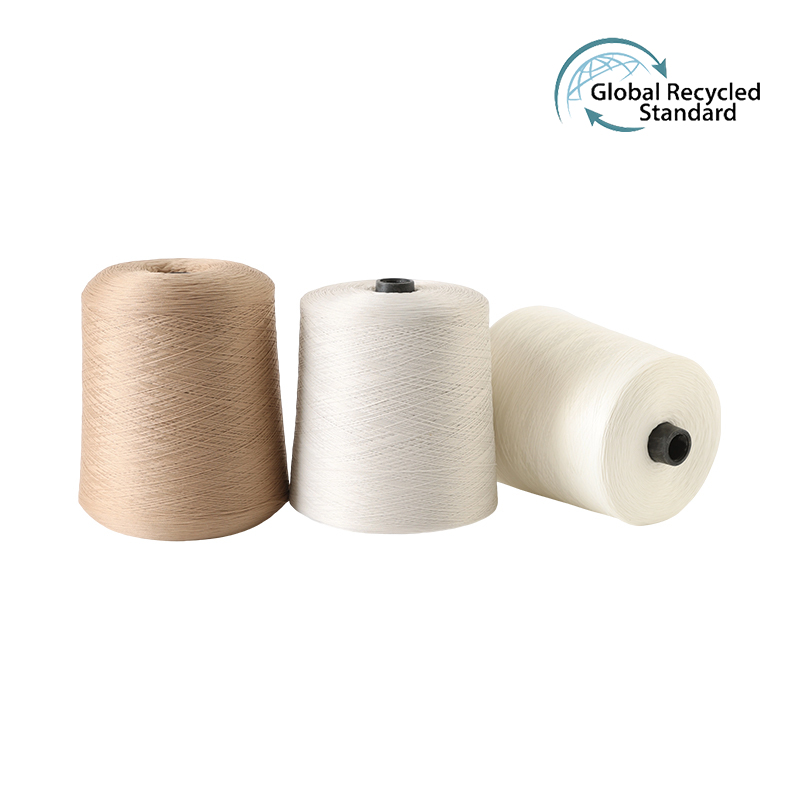
For finished textile products where edge integrity matters — such as towels, carpets, and bedding — polyester's structural role extends beyond the fabric body itself. Specialty yarns engineered for seam and edge applications, such as high-elastic polyester overlock sewing yarn, ensure that the durability of the fabric construction is matched at every finishing point.
Style Versatility: Polyester as a Design Material
Polyester's contribution to aesthetics is frequently underestimated. In practice, it offers textile designers a broader palette than most natural fibers. Its low moisture absorption means dye molecules bond at a molecular level during high-temperature dyeing processes, producing vibrant, lasting colors that resist fading even after repeated industrial washing. This colorfastness is not a minor advantage — it is central to why polyester dominates fashion segments that depend on consistent color quality across large production runs.
Structurally, polyester yarn can be engineered into a wide range of textures and formats. From smooth filament yarns used in formal wear and linings, to textured specialty variants such as chenille and eyelash yarns used in home furnishings and fashion accessories, the material adapts readily to diverse design requirements. The elasticity of polyester — recovering to 75–90% of its original form after stretching — also enables form-fitting garments and stretch fabrics without the long-term deformation that affects less resilient fibers.
Denier and twist adjustments give manufacturers precise control over the final hand-feel and structural weight of a fabric, allowing the same base material to serve everything from lightweight summer shirts to dense outdoor technical textiles.
Sustainability Considerations: Where the Industry Is Heading
No honest assessment of polyester yarn can ignore its environmental footprint. The fiber's petroleum-based origin raises valid concerns, and the issue of microplastic shedding during washing is a subject of ongoing scientific and regulatory attention. These are real challenges, not easily dismissed.
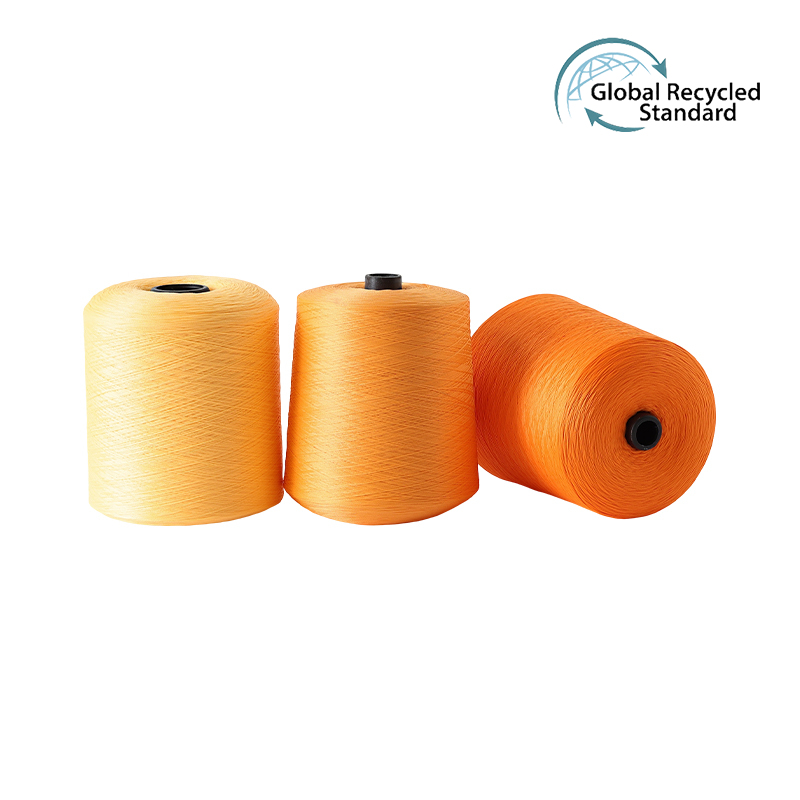
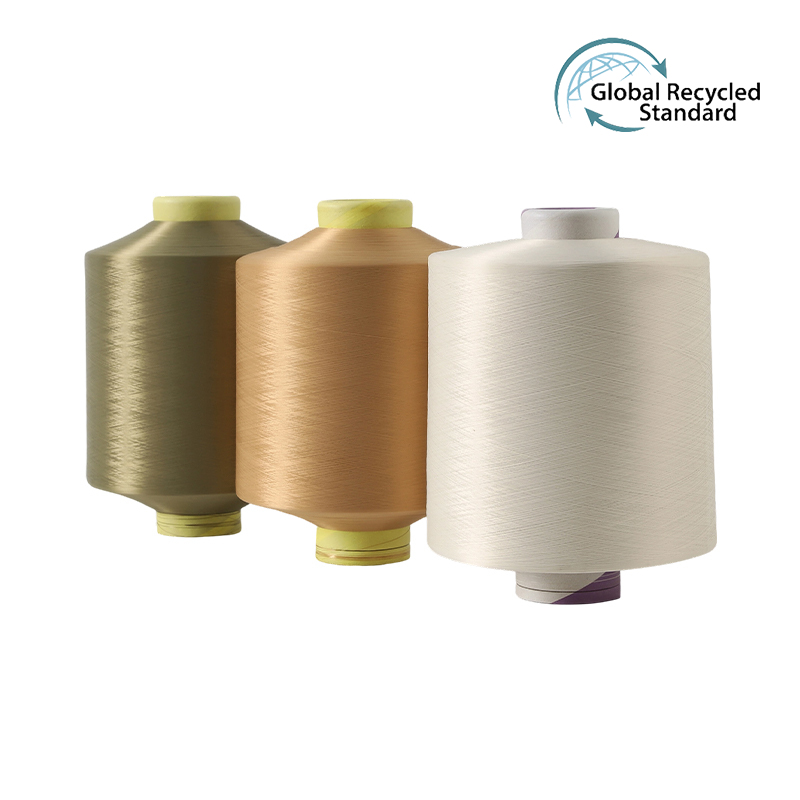
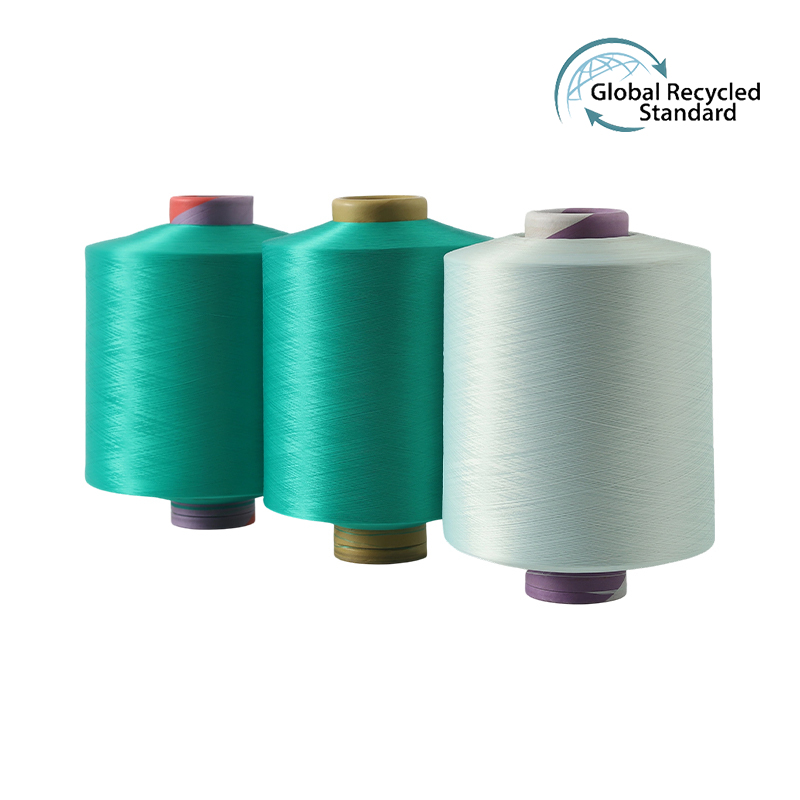
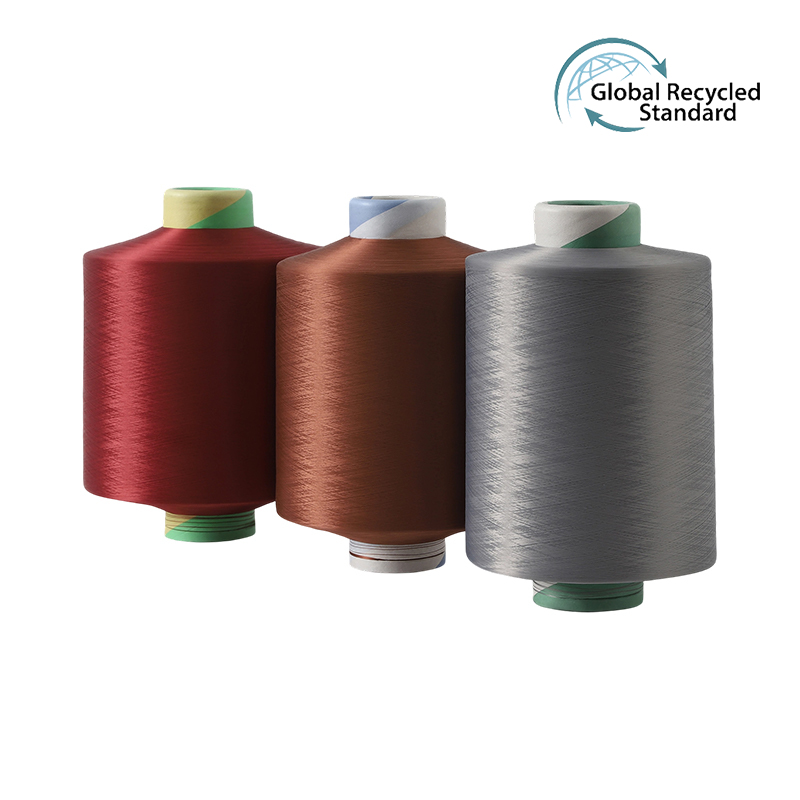
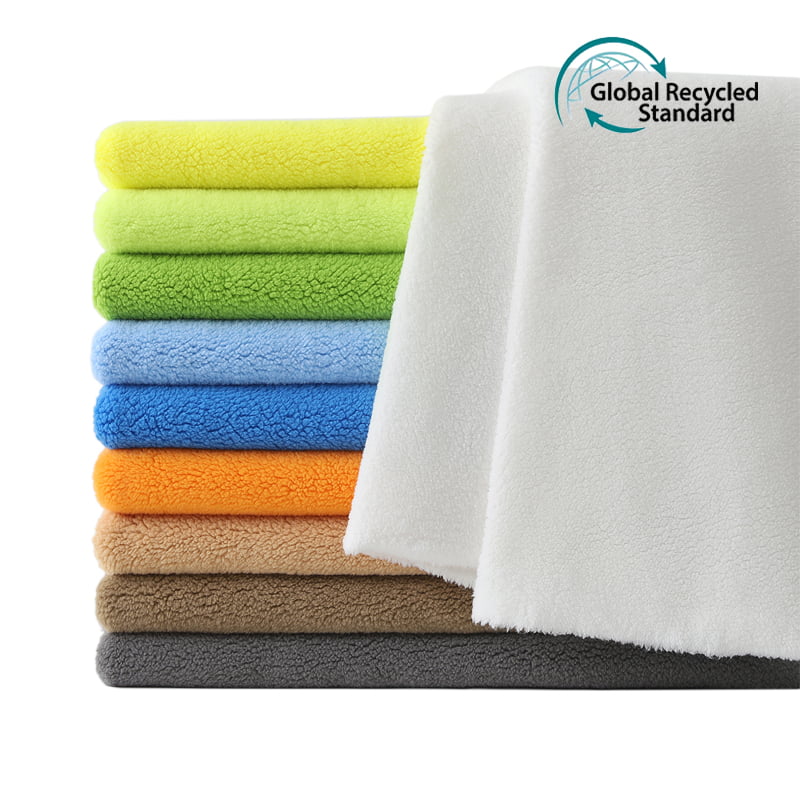
However, the industry's response has been substantive. Recycled polyester — produced from post-consumer PET bottles and pre-consumer textile waste — now represents a growing share of global polyester yarn production. Certifications such as the Global Recycled Standard (GRS) provide supply chain transparency for brands and manufacturers committed to verified recycled content. Dope-dyed polyester yarn, which integrates color during fiber extrusion rather than in a separate dyeing bath, eliminates significant water and chemical consumption at the finishing stage.
Longevity itself functions as a sustainability argument. Fabrics that resist pilling, fading, and structural degradation over hundreds of wash cycles reduce replacement frequency — and with it, the cumulative resource demand of the textile lifecycle. The durability that makes polyester commercially appealing also makes it, in practical terms, one of the lower-consumption fiber options available when assessed across a full product lifespan.
Applications Across Modern Textile Categories
The range of applications where polyester yarn functions as a primary or contributing material reflects its versatility across performance requirements:
- Sportswear and activewear: Moisture-wicking, shape retention, and abrasion resistance make polyester the structural backbone of most performance apparel categories.
- Formal and casual wear: Wrinkle resistance and colorfastness support polished finishes in dress shirts, trousers, and outerwear without demanding intensive care.
- Home textiles: Bedding, curtains, upholstery, and carpets benefit from polyester's dimensional stability, ease of cleaning, and resistance to UV degradation.
- Industrial and technical textiles: Conveyor belts, safety harnesses, geotextiles, and automotive components rely on polyester's high tensile strength and resistance to environmental stress.
- Specialty finishing yarns: Overlock and edge-binding applications in towels and carpets use engineered polyester yarns specifically designed for seam integrity and aesthetic finish quality.
Conclusion
Polyester yarn's dominance in modern textiles is not accidental. It reflects decades of material science development directed at solving a genuinely complex problem: how to produce fabrics that are simultaneously durable enough for demanding use, comfortable enough for sustained wear, and visually versatile enough to meet design expectations across a broad range of applications.
The balance is never perfect — no single fiber is — but polyester yarn, particularly in its high-grade and blended forms, comes closer to that balance than most alternatives at scale. For manufacturers, designers, and buyers navigating the current textile landscape, understanding how polyester achieves that balance is not just useful — it is foundational to making informed material choices.