English
 عربى
عربى Türk
Türk Español

Content
- 1 What Makes Polyester Yarn a Dominant Textile Material
- 2 Manufacturing Process and Chemical Composition
- 3 Types of Polyester Yarn and Their Characteristics
- 4 Key Performance Properties and Advantages
- 5 Applications Across Industries
- 6 Quality Standards and Testing Methods
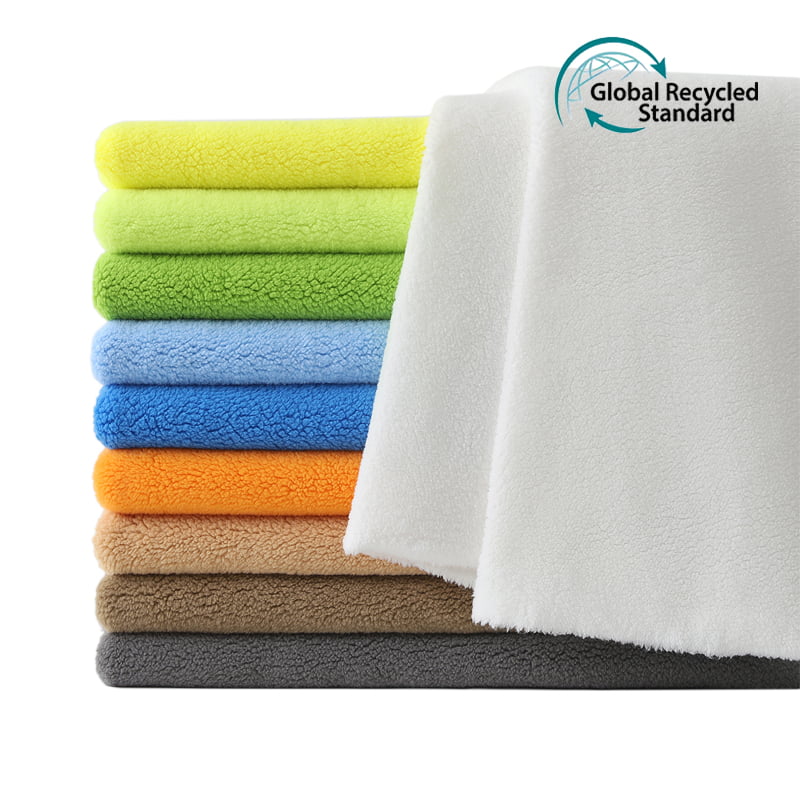
- 7 Environmental Considerations and Recycling Initiatives
- 8 Selecting the Right Polyester Yarn for Your Application
What Makes Polyester Yarn a Dominant Textile Material
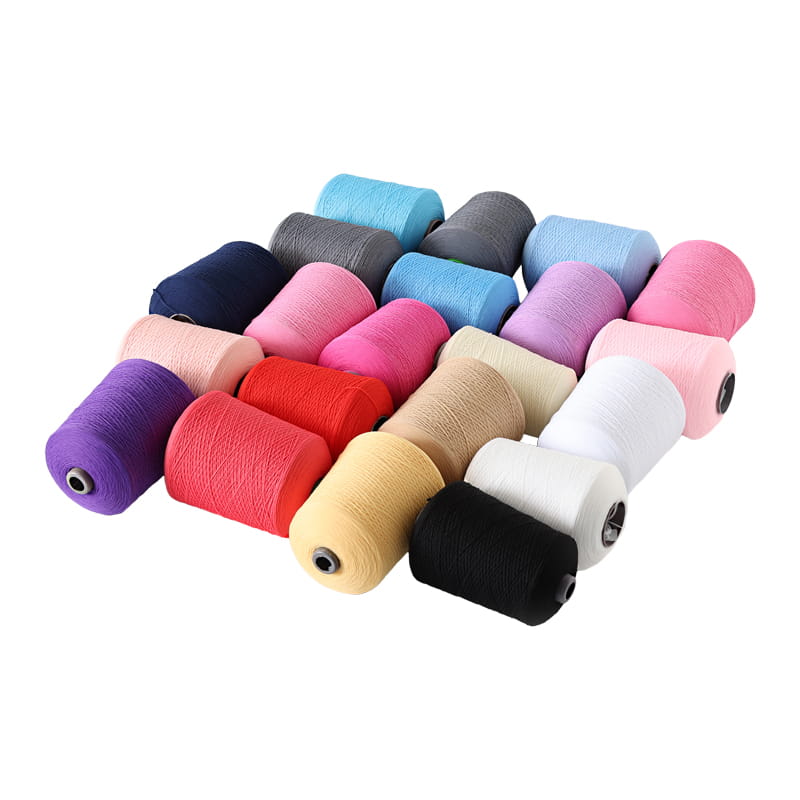
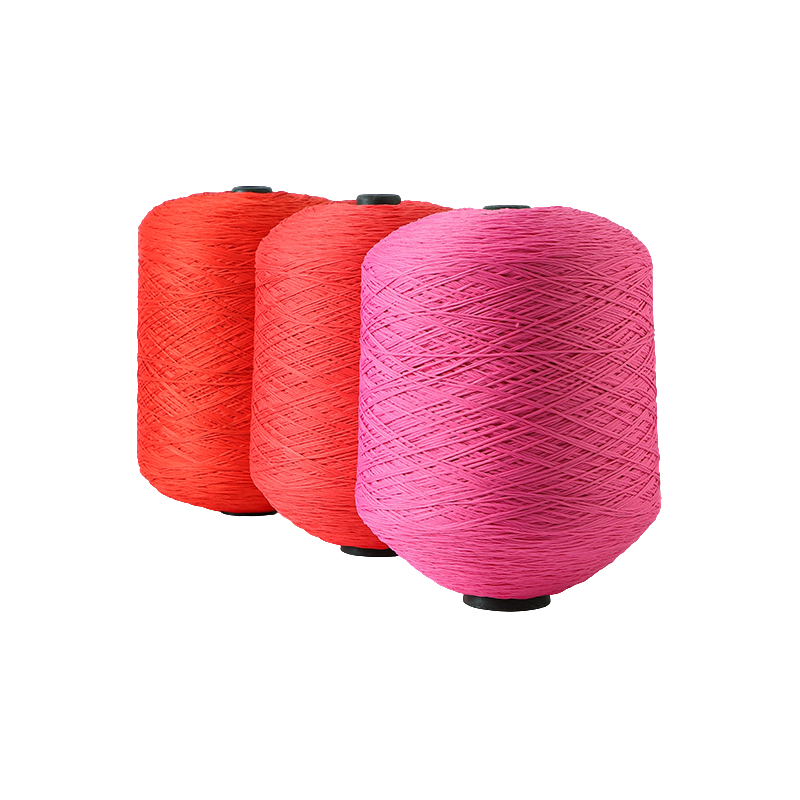
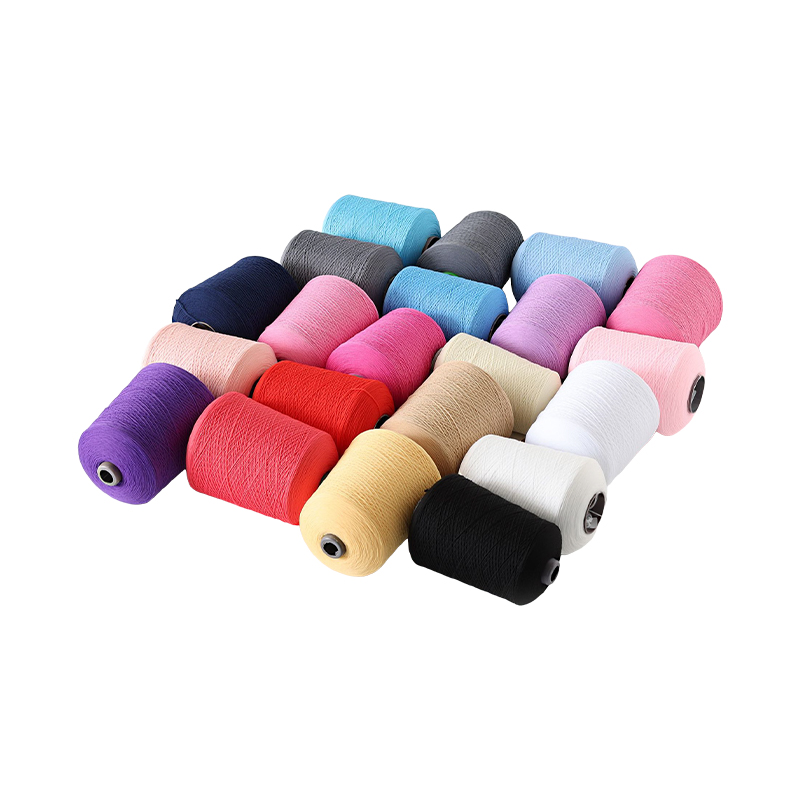
Polyester yarn represents approximately 52% of global fiber production, making it the most widely used synthetic fiber in the textile industry. This synthetic polymer fiber, primarily composed of polyethylene terephthalate (PET), offers exceptional durability, wrinkle resistance, and moisture-wicking properties that natural fibers cannot match. Manufacturers produce polyester yarn through melt-spinning techniques, creating versatile filaments used in everything from clothing and home furnishings to industrial applications like tire cords and conveyor belts.
The material's popularity stems from its cost-effectiveness, easy maintenance, and ability to blend seamlessly with natural fibers like cotton and wool. Unlike cotton, which requires significant water and pesticides, polyester production consumes fewer resources during manufacturing, though recycling challenges remain a concern for environmental sustainability.
Manufacturing Process and Chemical Composition
Polyester yarn production begins with the polymerization of purified terephthalic acid (PTA) and monoethylene glycol (MEG) at temperatures reaching 260-290°C. This chemical reaction creates long-chain polymers that form the foundation of polyester fibers.
Melt-Spinning Technology
The molten polymer passes through spinnerets—metal plates with hundreds of tiny holes—creating continuous filaments. These filaments cool rapidly and undergo drawing processes that align molecular chains, increasing tensile strength by up to 400%. Modern production lines can achieve speeds of 4,000-6,000 meters per minute, producing various denier counts from ultra-fine 15-denier yarns to heavy-duty 1,000-denier industrial threads.
Texturizing Methods
Manufacturers apply texturizing processes to create different yarn characteristics:
- False-twist texturizing produces stretchable yarns with bulk and elasticity
- Air-jet texturizing creates looped, voluminous yarns for soft fabrics
- Stuffer-box crimping adds three-dimensional crimp for insulation properties
Types of Polyester Yarn and Their Characteristics
The polyester yarn market offers diverse products engineered for specific applications, each with distinct physical and performance properties.
| Yarn Type | Denier Range | Tenacity (g/d) | Primary Applications |
|---|---|---|---|
| Fully Drawn Yarn (FDY) | 50-600 | 4.5-5.5 | Woven fabrics, home textiles |
| Partially Oriented Yarn (POY) | 75-300 | 2.5-3.5 | Texturizing feedstock |
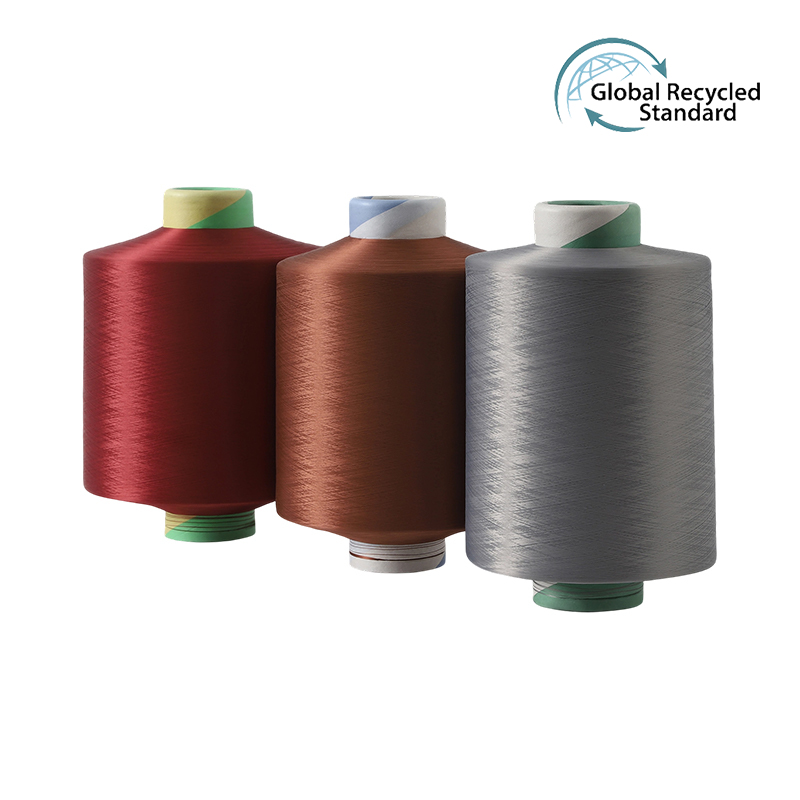
| Drawn Textured Yarn (DTY) | 75-300 | 3.8-4.5 | Knitted garments, sportswear |
| High Tenacity Yarn | 500-3000 | 7.0-9.0 | Tire cords, safety belts, ropes |
Specialty Polyester Variants
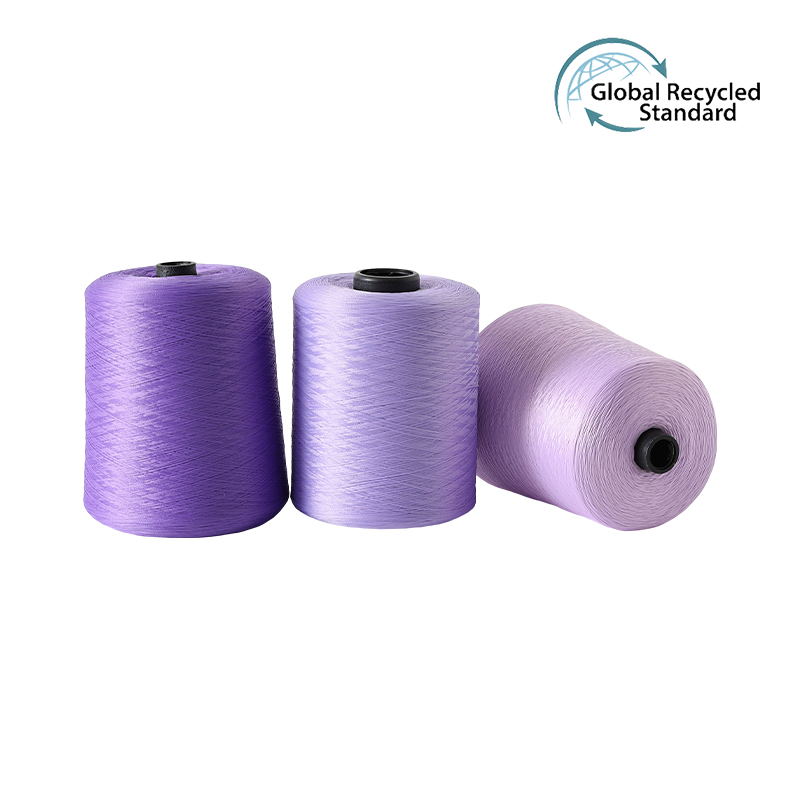
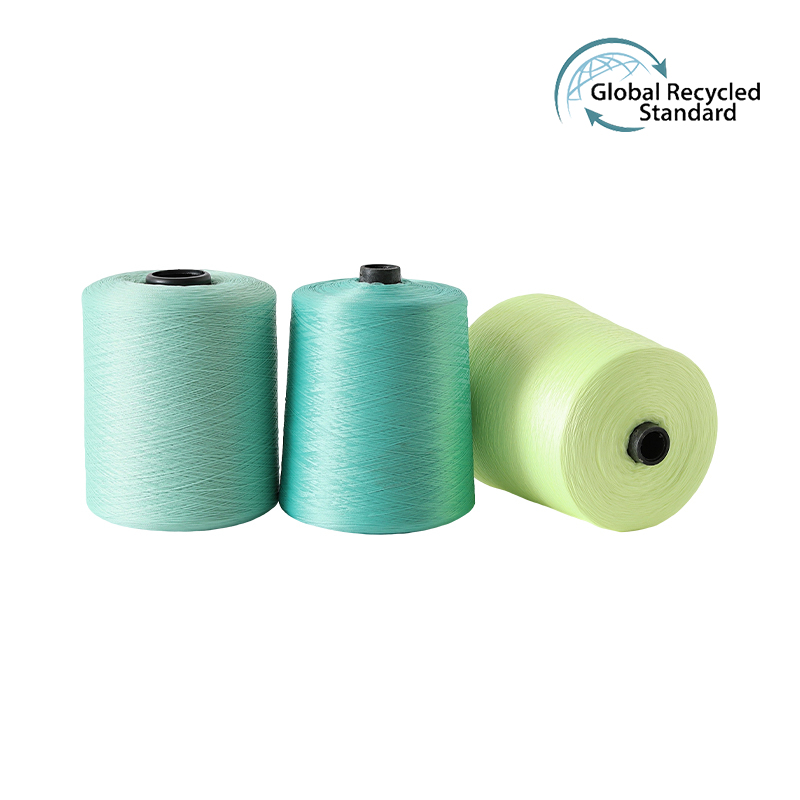
Advanced manufacturing techniques have produced specialized polyester yarns with enhanced functionality. Microfiber polyester, with individual filament diameters below 1.0 denier, creates ultra-soft fabrics ideal for athletic wear and upholstery. Recycled polyester yarn, made from post-consumer PET bottles, now accounts for nearly 14% of polyester production, with companies like Patagonia using 100% recycled polyester in many product lines.
Key Performance Properties and Advantages
Polyester yarn delivers consistent performance characteristics that make it indispensable across industries. Its hydrophobic nature means moisture absorption remains below 0.4%, compared to cotton's 7-8%, enabling rapid drying times critical for sportswear and outdoor applications.
Durability and Strength Metrics
Standard polyester yarn exhibits breaking tenacity of 4.5-5.0 grams per denier, maintaining 85% of its strength when wet—a significant advantage over natural fibers. The material resists abrasion effectively, withstanding over 50,000 flex cycles in standard testing, making it ideal for upholstery and automotive interiors that endure constant use.
Chemical and Environmental Resistance
Polyester demonstrates excellent resistance to most organic solvents, acids, and alkalis at room temperature. UV stabilized variants retain 70% of tensile strength after 1,000 hours of direct sunlight exposure, compared to untreated nylon which degrades significantly faster. This stability makes polyester the preferred choice for awnings, outdoor furniture, and marine applications.
Applications Across Industries
Polyester yarn's versatility enables its use in dramatically different sectors, from fashion to heavy industry. The global market reached $89.7 billion in 2023, with projections indicating continued growth driven by emerging markets and technical textile innovations.
Apparel and Fashion Textiles
In clothing manufacturing, polyester yarn appears in approximately 60% of all garments globally. Athletic brands utilize moisture-wicking polyester blends that transport perspiration away from skin, with fabrics achieving dry times 3-5 times faster than cotton equivalents. The material's wrinkle resistance reduces ironing needs, while colorfastness ensures garments maintain appearance through repeated washing cycles.
Home Furnishings and Interior Textiles
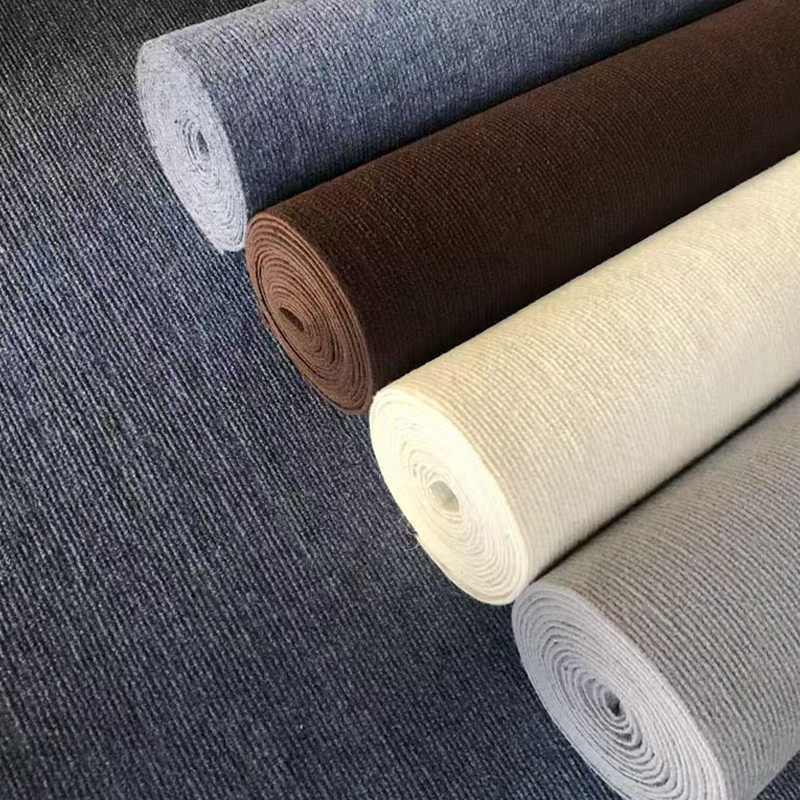
Home textile applications consume roughly 25% of polyester yarn production. Curtains, bedding, and upholstery benefit from the fiber's dimensional stability and resistance to fading. Modern microfiber polyester achieves thread counts exceeding 1,200 per square inch, rivaling high-end cotton sateen while offering superior stain resistance and longevity.
Industrial and Technical Applications
High-tenacity polyester yarn serves critical industrial functions:
- Tire reinforcement cords in radial tires, providing structural integrity at highway speeds
- Conveyor belts in mining and manufacturing, withstanding loads exceeding 1,000 kg per belt width
- Geotextiles for soil stabilization and drainage systems in civil engineering
- Filter fabrics in industrial air and liquid filtration achieving 99.9% particulate capture
Quality Standards and Testing Methods
Industry standards ensure polyester yarn meets specific performance criteria before reaching manufacturers. The American Society for Testing and Materials (ASTM) and International Organization for Standardization (ISO) publish comprehensive testing protocols covering physical, mechanical, and chemical properties.
Critical Quality Parameters
Manufacturers evaluate polyester yarn through rigorous testing:
- Denier variation must remain within ±3% across production runs to ensure uniform fabric weight
- Tensile strength testing confirms minimum breaking loads match specifications
- Elongation measurements verify stretch characteristics fall within 15-30% for standard grades
- Shrinkage testing at 177°C ensures dimensional stability below 5% for finished fabrics
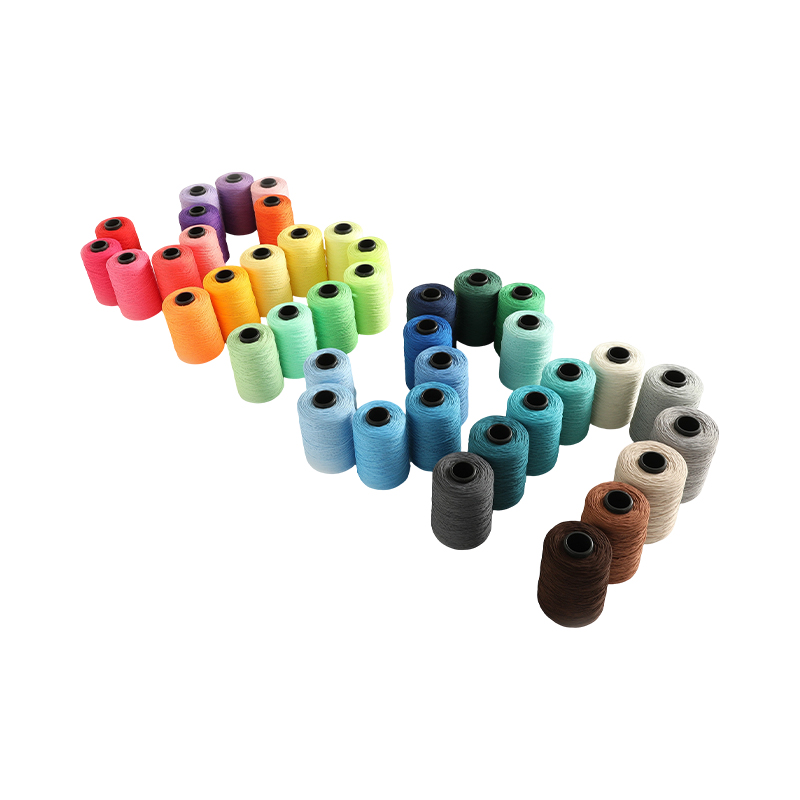
Color consistency requires Delta E values below 1.0 for dyed yarns, measurable through spectrophotometry. This precision ensures that fabrics woven or knitted from different production batches maintain uniform appearance.
Environmental Considerations and Recycling Initiatives
While polyester yarn offers numerous performance advantages, its environmental impact has prompted industry innovation. Traditional polyester production generates approximately 3.5 kg of CO2 per kilogram of fiber, significantly higher than the 1.8 kg from cotton cultivation and processing.
Mechanical and Chemical Recycling
Mechanical recycling processes clean, shred, and re-melt post-consumer polyester products, reducing energy consumption by 59% compared to virgin polyester production. However, each recycling cycle can reduce fiber length by up to 25%, limiting the number of times material can be reprocessed. Chemical recycling, or depolymerization, breaks polyester down to its molecular components, enabling infinite recycling loops while maintaining original quality standards. Companies like Eastman Chemical have invested over $1 billion in chemical recycling facilities capable of processing 110,000 metric tons annually.
Bio-Based Polyester Development
Research into bio-based polyester uses renewable feedstocks like corn sugar and cellulose to produce PET polymers, potentially reducing carbon footprint by 30-50%. While these materials currently represent less than 1% of polyester production due to higher costs, scaling production could make them cost-competitive by 2030.
Selecting the Right Polyester Yarn for Your Application
Choosing appropriate polyester yarn requires matching material properties to intended use. For apparel applications, DTY with 75-150 denier provides the soft hand feel and stretch needed for comfortable garments. Woven home textiles perform best with FDY ranging from 150-300 denier, offering smooth surfaces and lustrous appearance.
Industrial applications demand high-tenacity grades with breaking strengths exceeding 7.0 g/d. Outdoor products require UV-stabilized yarns that maintain integrity through years of sun exposure. Consulting with yarn suppliers about specific performance requirements—including abrasion resistance, heat tolerance, and chemical exposure—ensures optimal material selection for each unique application.
The continued evolution of polyester yarn technology, from enhanced recycling processes to specialized performance variants, ensures this versatile material will remain central to textile manufacturing for decades to come. Understanding its properties, production methods, and application-specific requirements enables manufacturers and designers to leverage polyester's full potential while addressing environmental sustainability concerns.