English
 عربى
عربى Türk
Türk Español

Content
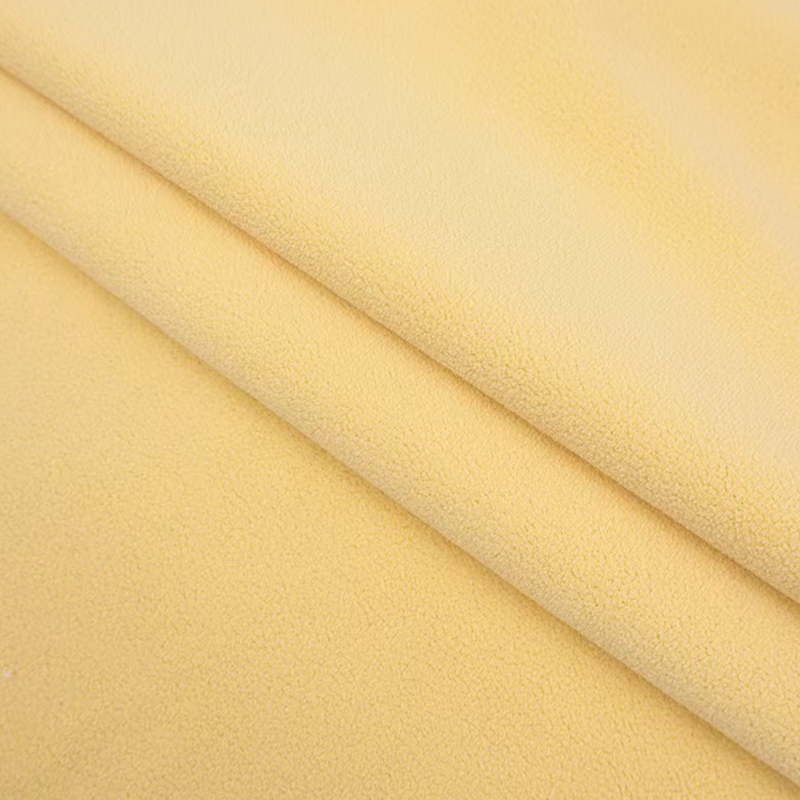
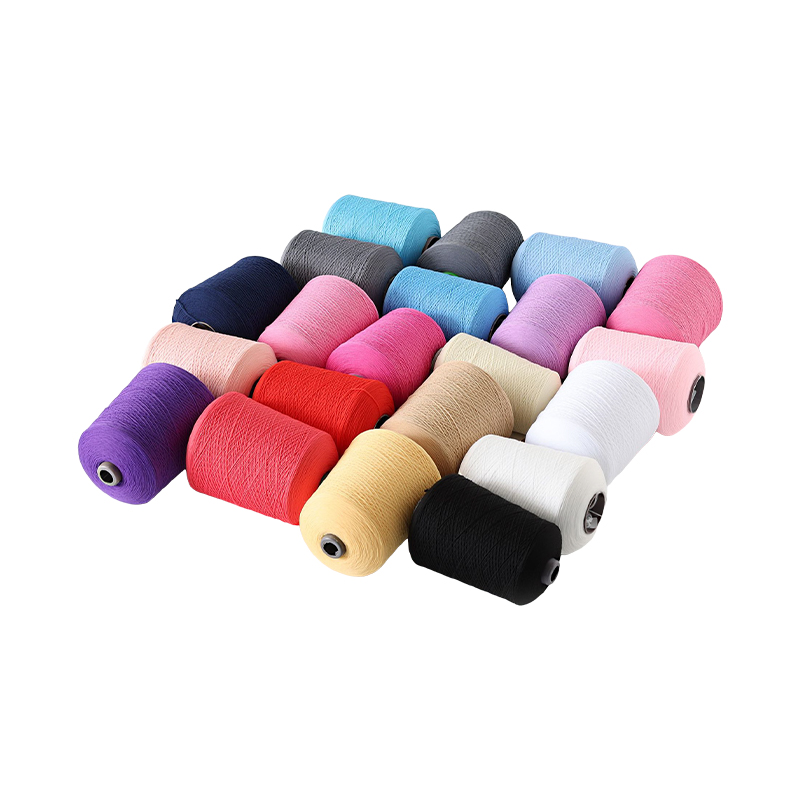
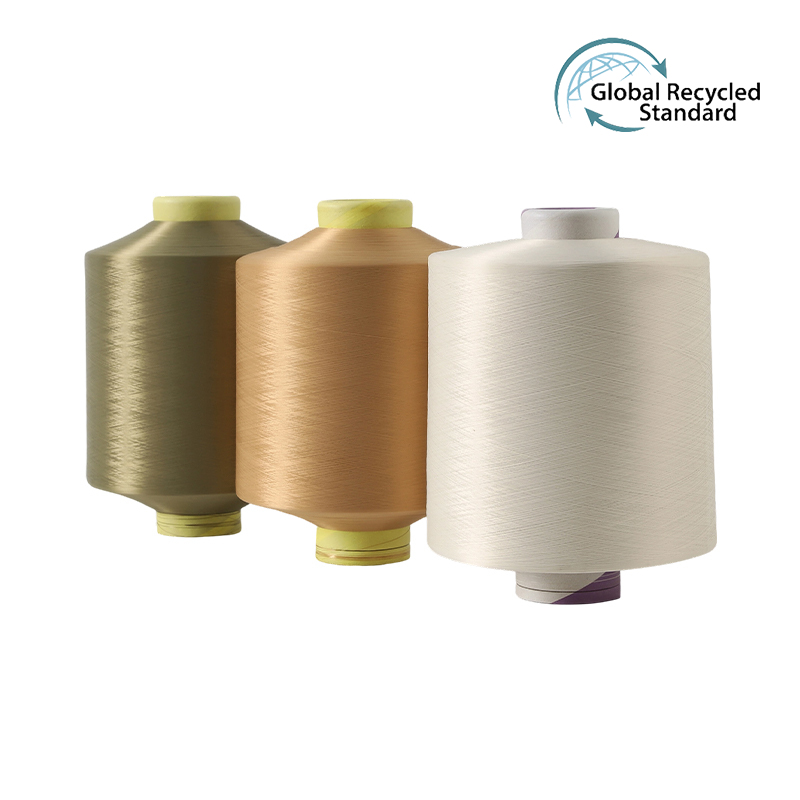
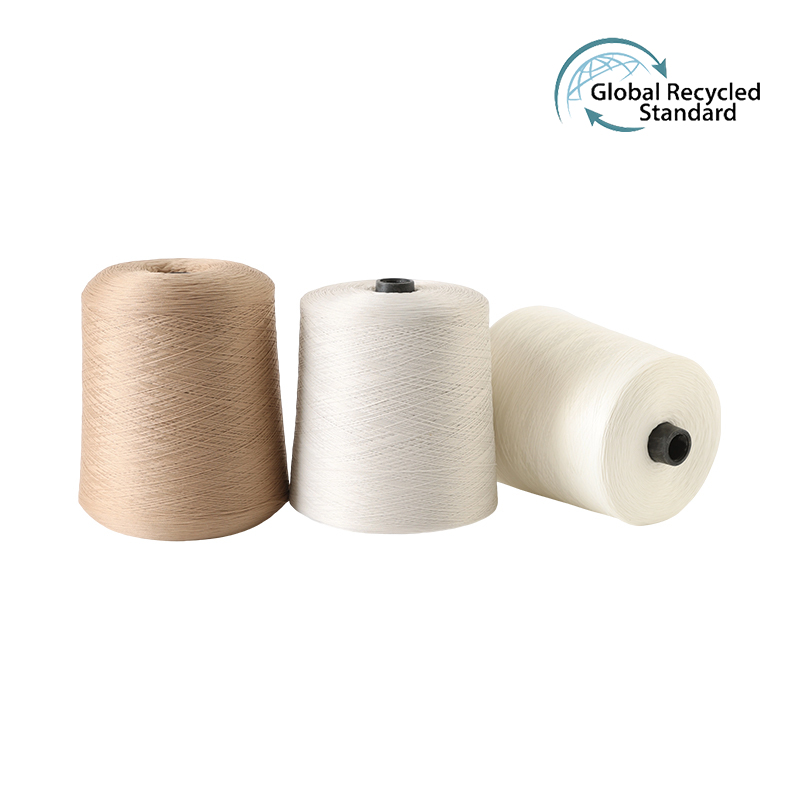
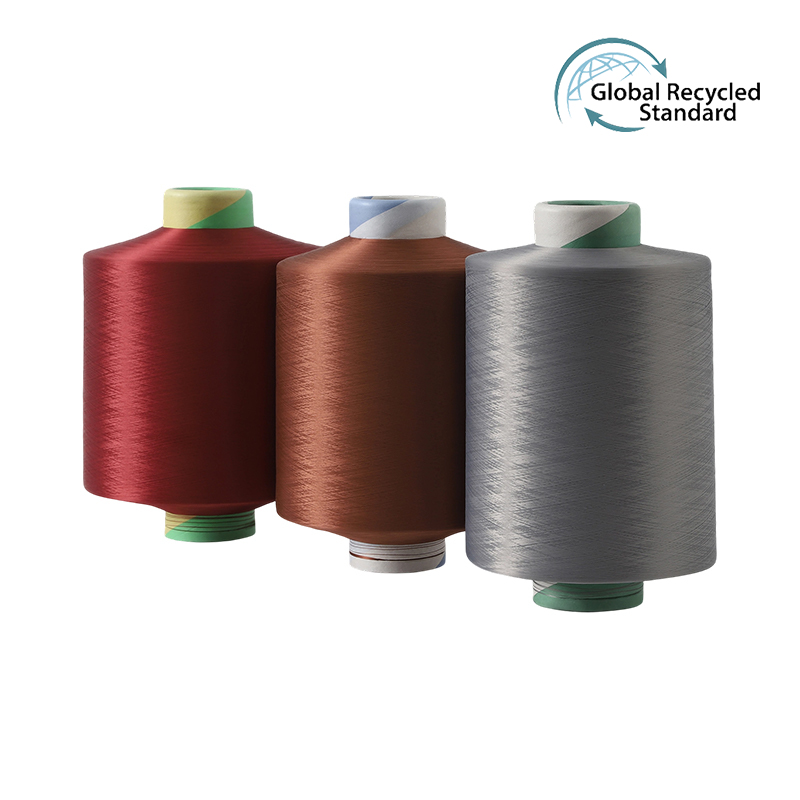
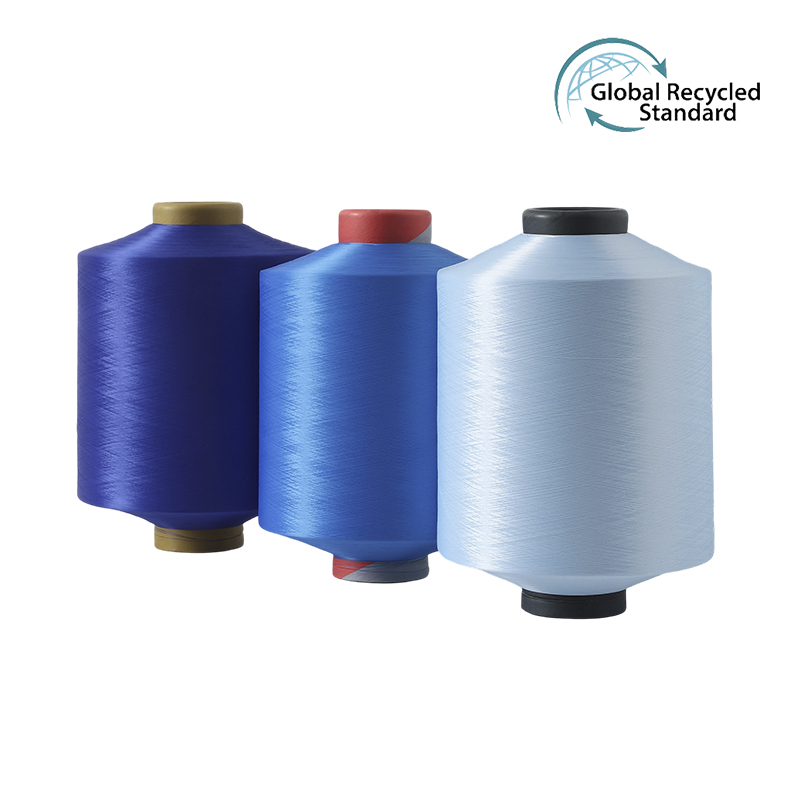
Polyester yarn is a synthetic textile fiber made from polyethylene terephthalate (PET), a petroleum-based polymer that has become one of the most widely used materials in the global textile industry. This manufactured fiber accounts for approximately 52% of global fiber production, making it the dominant synthetic yarn in both apparel and industrial applications.
Created through a chemical process called polymerization, polyester yarn offers exceptional durability, wrinkle resistance, and dimensional stability. Unlike natural fibers such as cotton or wool, polyester maintains its shape and color even after repeated washing and exposure to sunlight, which explains its popularity in everything from fashion garments to automotive upholstery.
Manufacturing Process of Polyester Yarn
The production of polyester yarn involves several precise chemical and mechanical stages that transform petroleum derivatives into usable textile fibers.
Polymerization Stage
The process begins with the chemical reaction between ethylene glycol and terephthalic acid at temperatures reaching 260-280°C (500-536°F). This reaction creates long molecular chains of polyethylene terephthalate, forming a thick, viscous liquid. The polymer is then cooled and cut into small chips for easier handling in subsequent processing.
Melt Spinning
The PET chips are melted at approximately 280°C and forced through a spinneret—a metal plate with tiny holes similar to a showerhead. As the molten polymer exits these holes, it forms continuous filaments. The number of holes in the spinneret determines the number of filaments, which can range from 30 to over 1,000 individual fibers in a single yarn.
Drawing and Texturing
After extrusion, the filaments are stretched (drawn) to 3-5 times their original length while still warm. This drawing process aligns the molecular chains, significantly increasing the yarn's strength and elasticity. For applications requiring bulk and texture, the yarn undergoes additional texturing processes such as false-twist texturing or air-jet texturing.
Types and Classifications
Polyester yarn comes in various forms, each designed for specific applications and performance characteristics.
| Type | Characteristics | Common Applications |
|---|---|---|
| Filament Yarn | Continuous long fibers, smooth surface | Dress fabrics, linings, sportswear |
| Staple Yarn | Cut fibers (38-150mm), cotton-like texture | Blended fabrics, knitwear |
| Textured Yarn | Bulky, elastic, enhanced comfort | Hosiery, activewear, upholstery |
| High Tenacity Yarn | Exceptional strength (7-9 g/denier) | Seatbelts, ropes, industrial fabrics |
| Microfiber | Ultra-fine fibers (<1 denier) | Luxury apparel, cleaning cloths |
Key Properties and Performance Characteristics
Polyester yarn's widespread adoption stems from its superior performance attributes compared to many natural and synthetic alternatives.
Physical Strength and Durability
Standard polyester yarn exhibits a tensile strength of 4.5-5.5 grams per denier, while high-tenacity variants can reach up to 9 g/denier. This strength, combined with excellent abrasion resistance, makes polyester fabrics exceptionally long-lasting. In wear tests, polyester garments typically outlast cotton equivalents by 2-3 times under similar conditions.
Moisture and Chemical Resistance
Polyester is inherently hydrophobic, with a moisture regain of only 0.4% at standard atmospheric conditions (compared to cotton's 8.5%). This characteristic provides several advantages:
- Rapid drying time, typically 40-60% faster than cotton fabrics
- Excellent resistance to mildew, rot, and most chemicals
- Dimensional stability when wet, with minimal shrinkage (less than 1%)
- Superior performance in outdoor and marine applications
Thermal Properties
Polyester maintains dimensional stability across a wide temperature range, from -40°C to 150°C (-40°F to 302°F). It has a glass transition temperature of approximately 80°C and a melting point around 260°C, which allows for heat-setting processes that permanently establish pleats, creases, and garment shapes.
Applications Across Industries
The versatility of polyester yarn has led to its adoption across numerous sectors, each leveraging specific properties for optimal performance.
Apparel and Fashion
In the clothing industry, polyester yarn appears in both pure forms and blends. Polyester-cotton blends (typically 65/35 or 50/50 ratios) combine polyester's durability and easy-care properties with cotton's comfort and breathability. The global market for polyester apparel was valued at approximately $85 billion in 2024, with athletic and performance wear representing the fastest-growing segment.
Home Textiles
Polyester dominates the home furnishing sector due to its colorfastness and resistance to fading. Key applications include:
- Curtains and draperies that maintain appearance for 7-10 years
- Upholstery fabrics with abrasion resistance exceeding 50,000 double rubs
- Bedding materials offering hypoallergenic properties and easy maintenance
- Carpets and rugs with stain resistance and longevity
Industrial and Technical Applications
High-tenacity polyester yarn serves critical functions in industrial settings where strength and reliability are paramount. Automotive seatbelts utilize polyester yarn capable of withstanding forces exceeding 2,500 pounds. In construction, polyester geotextiles provide soil stabilization and drainage solutions. The maritime industry relies on polyester ropes and nets for their exceptional strength-to-weight ratio and resistance to saltwater degradation.
Advantages and Limitations
Understanding both the benefits and drawbacks of polyester yarn helps in making informed material selection decisions.
Primary Advantages
- Cost-effectiveness: Production costs are 30-50% lower than natural fibers like silk or wool
- Wrinkle resistance: Garments maintain crisp appearance with minimal ironing required
- Color retention: Dyes bond permanently to fibers, with less than 5% color loss after 100 washes
- Recyclability: Can be mechanically or chemically recycled into new fibers or products
- Versatility: Can be engineered to mimic properties of natural fibers or create entirely new characteristics
Notable Limitations
- Low breathability: Hydrophobic nature can trap body heat and moisture in certain applications
- Static electricity: Tendency to accumulate static charge, especially in low-humidity environments
- Oil stain affinity: Oleophilic properties make oil-based stains difficult to remove
- Environmental concerns: Petroleum-based production and microplastic shedding during washing (approximately 700,000 fibers per wash cycle)
- Heat sensitivity in finishing: Can melt or glaze if ironed at excessive temperatures above 150°C
Sustainability and Recycled Polyester
Environmental considerations have driven significant innovation in polyester production, particularly in recycling technologies and bio-based alternatives.
Recycled Polyester (rPET)
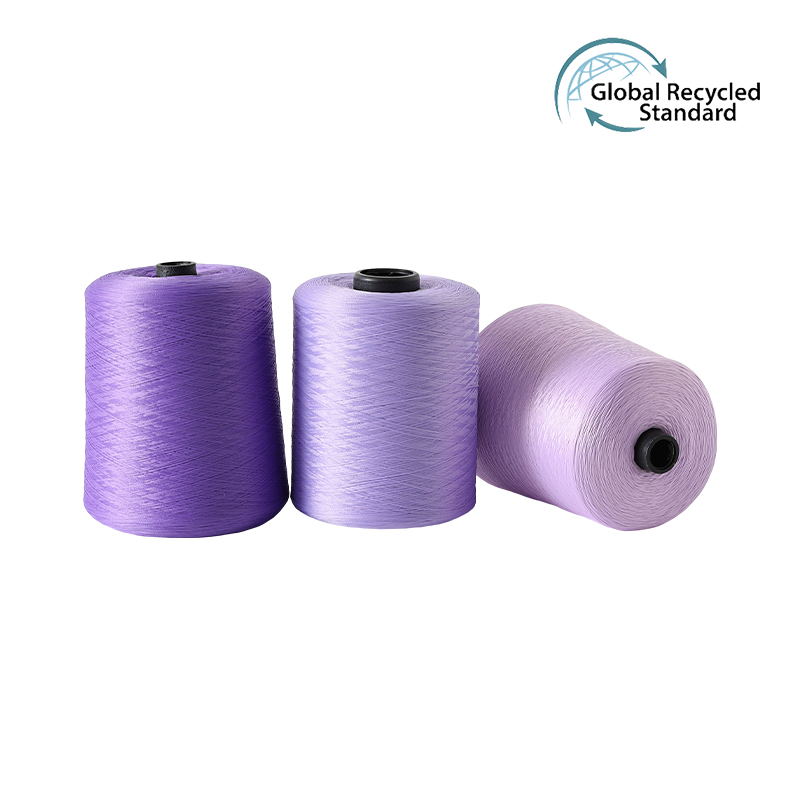
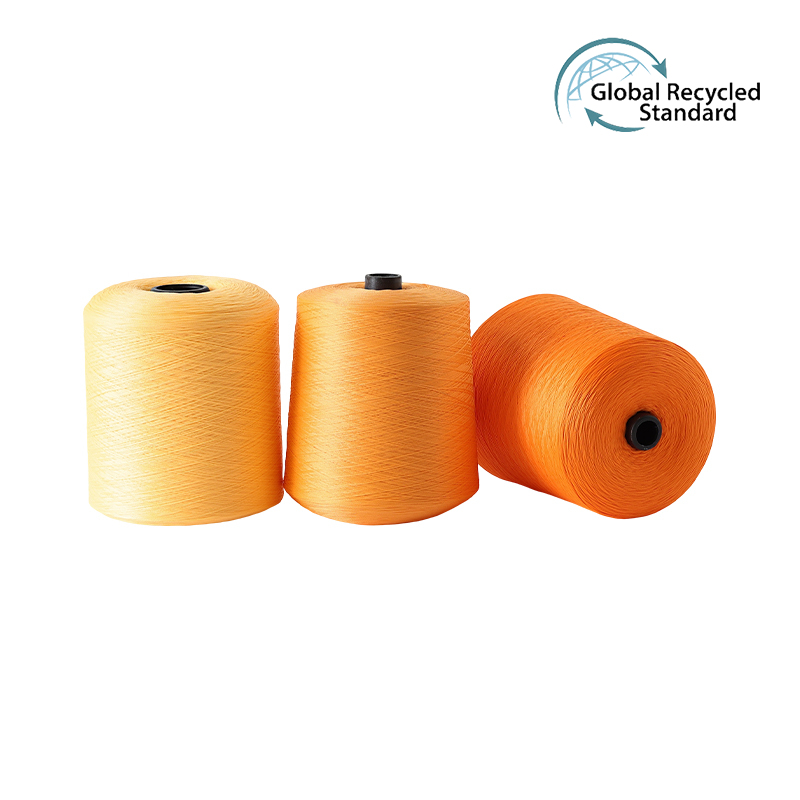
Recycled polyester yarn, produced from post-consumer plastic bottles or textile waste, has gained substantial market share. The process involves collecting, cleaning, and melting plastic bottles, which are then extruded into new fibers. Production of rPET uses 59% less energy than virgin polyester and reduces CO2 emissions by approximately 32%. Major brands have committed to using recycled content, with some targeting 100% recycled polyester in their products by 2030.
Bio-Based Polyester
Emerging technologies are developing polyester from renewable plant sources such as corn, sugarcane, and agricultural waste. While bio-based polyester currently represents less than 1% of global production, investment in these technologies is accelerating as manufacturers seek to reduce dependency on petroleum feedstocks.
Circularity Initiatives
Chemical recycling technologies are being developed to break down polyester to its molecular components, allowing infinite recycling without quality degradation. Several pilot plants have demonstrated the ability to convert textile waste back into polymer-grade material suitable for any application, including food-grade packaging.
Care and Maintenance Guidelines
Proper care extends the lifespan of polyester products and maintains their appearance and performance characteristics.
Washing Recommendations
- Wash in warm water (not exceeding 40°C/104°F) to prevent setting oil-based stains
- Use regular detergent; avoid fabric softeners which can reduce moisture-wicking properties
- Turn garments inside out to minimize pilling and surface abrasion
- Consider using a microfiber-catching laundry bag to reduce environmental microplastic release
Drying and Ironing
Polyester fabrics air-dry quickly and can be machine-dried on low heat settings. If ironing is necessary, use temperatures below 150°C (302°F) or the synthetic setting. Steam ironing works effectively for removing wrinkles without direct contact, preventing potential glazing or melting of the fabric surface.
Future Trends and Innovations
The polyester yarn industry continues to evolve through technological advancement and changing consumer demands.
Smart Textiles
Polyester fibers are being engineered with embedded sensors and conductive materials to create smart fabrics that monitor body temperature, heart rate, and other biometric data. The global smart textile market, heavily reliant on polyester substrates, is projected to reach $8.5 billion by 2028.
Enhanced Performance Features
Recent innovations include antimicrobial treatments, UV protection exceeding SPF 50, and moisture-management technologies that combine polyester's durability with improved comfort. Phase-change materials integrated into polyester fibers can actively regulate temperature, absorbing heat when the wearer is warm and releasing it when cool.
Biodegradable Alternatives
Research into biodegradable polyester variants, such as polyhydroxyalkanoates (PHA) and polylactic acid (PLA) blends, aims to address end-of-life environmental concerns while maintaining the performance characteristics that make polyester valuable. These materials can decompose in industrial composting facilities within 12-18 months, compared to conventional polyester's persistence of several hundred years.