English
 عربى
عربى Türk
Türk Español

Content
- 1 What Is Staple Fiber?
- 2 Staple Fiber Length Classes and the Spinning Routes They Fit
- 3 Staple Fiber or Filament Yarn: What the Choice Costs You
- 4 How Staple Fiber Becomes Spun Yarn
- 5 Specifications to Lock Down Before the First Bale
- 6 Sourcing Risks That Appear After the Third Bale
- 7 Where Staple Fiber Ends Up
- 8 Staple Fiber FAQ
A towel mill that swaps a 38 mm polyester staple lot for a 51 mm lot without resetting its spinning plan will see yarn breaks rise inside a single shift. Staple fiber is bought by the tonne and judged in millimeters, and the gap between a clean lot and a poor one rarely shows on the delivery note; it shows up weeks later in yarn tenacity, nep counts and shade.
What Is Staple Fiber?
A staple fiber is a textile fiber of discrete, finite length that must be twisted with other fibers before it can carry load as a yarn. That is the whole distinction from filament fiber, which leaves the spinneret as one continuous strand and needs no spinning step at all.
Staple fiber: any natural or cut man-made fiber of limited length, typically 10 mm to 150 mm, that has to be spun, twisted or bonded to develop strength in a finished fabric.
Buyers meet the material in three commercial forms:
- Natural staple, such as cotton, wool, flax or hemp, with a naturally distributed fiber length.
- Man-made staple, where polyester, viscose, acrylic or nylon tow is drawn, crimped and cut to a fixed length.
- Recycled staple, recovered from PET bottle flake or textile waste and re-cut for spinning.
Because staple is either grown or cut, no two bales behave identically. Crimp, finish oil and length distribution travel with the fiber into the card room, and that is where most quality arguments begin.
Staple Fiber Length Classes and the Spinning Routes They Fit
Staple length decides which spinning system can process a lot, so it belongs in the purchase order before price is ever discussed.
| Fiber or class | Typical staple length | Spinning route | Typical end use |
| Cotton, upland | 22 to 32 mm | Cotton system, ring or rotor | Apparel, towelling, sheeting |
| Cotton, long staple | 33 to 40 mm | Combed cotton system | Fine shirting, premium knitwear |
| Polyester, apparel grade | 32 to 44 mm | Cotton system | Blended apparel, nonwoven hygiene |
| Polyester, worsted grade | 51 to 76 mm | Worsted or woolen system | Carpet yarn, upholstery, heavy knits |
| Wool, fine Merino type | 50 to 80 mm | Worsted system | Suiting, base layers |
| Viscose staple | 38 to 60 mm | Cotton or worsted system | Linings, wipes, spunlace nonwoven |
A length mismatch is expensive. Feeding 64 mm worsted-grade staple into a cotton-system card overloads the drafting zone, raises roller lapping and pushes end breakage up. Running 32 mm cotton-type staple on a worsted frame gives a thin, under-twisted yarn that sheds fiber through finishing.
Staple Fiber or Filament Yarn: What the Choice Costs You
Choose staple when you need bulk, warmth, fiber blending or a spun hand; choose filament when you need strength, uniformity and fewer process steps.
Staple fiber
- Needs carding, drawing and spinning before yarn exists
- Higher bulk and cover at the same yarn count
- Blending is simple, mixed at the bale
- More hairiness and pilling risk on low-twist yarns
- Feeds spun yarns, nonwovens, filling and carpet pile
Filament yarn
- Arrives as one continuous strand from the spinneret
- Higher tenacity with less twist inserted
- Shorter process route, less waste in the card room
- Smoother surface, better for fine and technical fabrics
- Texturing adds bulk without cutting the strand
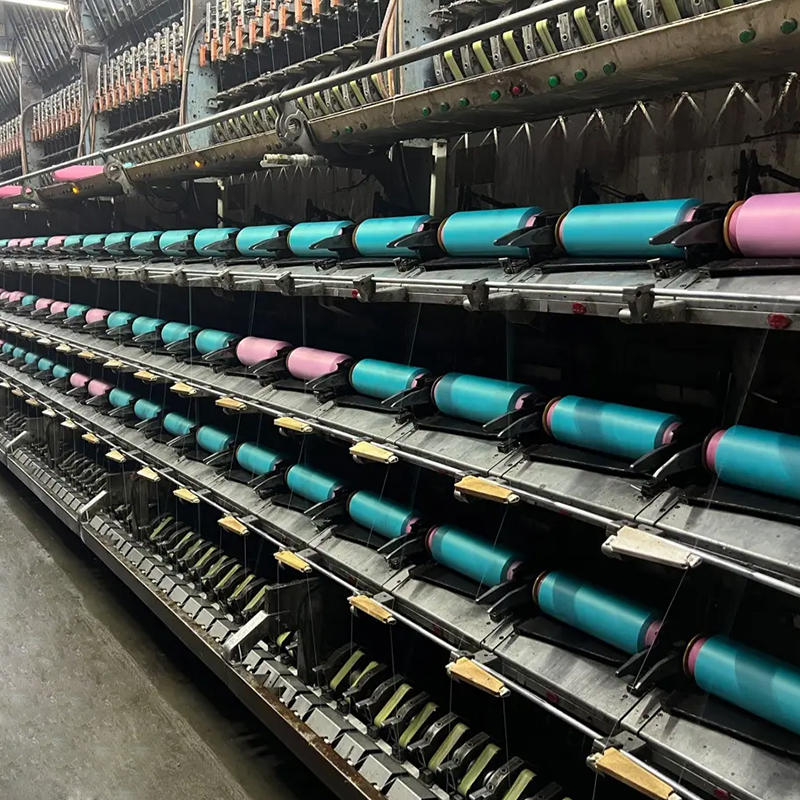
Plenty of mills run both. A carpet plant may tuft with bulked continuous filament while its backing and edge yarns are spun from staple, and a home textile supplier may blend cotton staple with polyester staple to hit a target price. Where the specification settles on continuous filament, textured yarns such as POY and DTY do the job without a card room, and manufacturers such as Suzhou Tongdeli produce them from 50D up to 600D on an integrated spinning and texturing line.
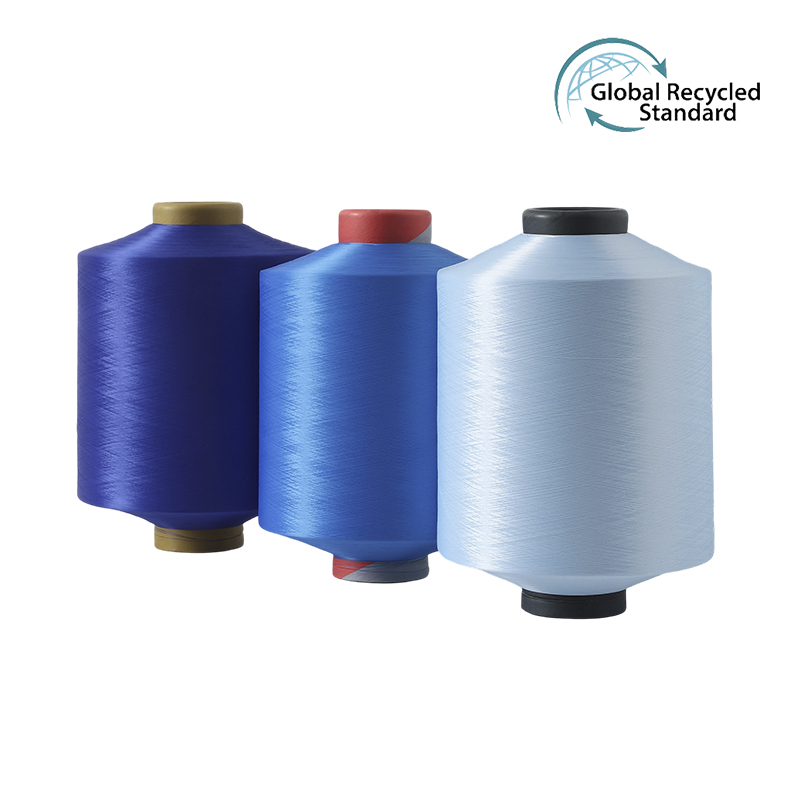
 POY(Soft and durable POY Yarn)Introducing our premium POY (Partially Oriented Yarn) – the epitome of softness and durability. Crafted with meticulous precision, our POY Yarn stands out as the choic...View Product →
How Staple Fiber Becomes Spun Yarn
Man-made staple arrives as crimped tow already cut to length, while natural staple arrives ginned or scoured. From that point the route is largely the same.
- Bale opening and blending: layers drawn from several bales are mixed so lot-to-lot variation averages out instead of concentrating.
- Carding: the fiber mass is opened into individual fibers, and neps, husk and short fiber are removed.
- Drawing: six to eight slivers are doubled and drafted together, which parallelizes the fibers and lifts evenness.
- Roving: the drawn sliver is reduced to a thin strand with just enough twist to survive handling.
- Spinning: ring, rotor or air-jet spinning inserts the real twist that turns a bundle of short fibers into yarn.
- Winding and clearing: electronic clearers cut out thick and thin places before the yarn moves to weaving, knitting or tufting.
Specifications to Lock Down Before the First Bale
Most staple fiber disputes trace back to a parameter that was never written into the contract.
1.2-1.5dtex per filament, apparel-grade polyester staple
38 mmstandard cut length for the cotton system
0.1-0.3%finish oil measured on fiber weight
4.5-6.5cN/dtex tenacity, regular polyester staple
Confirm the following in writing, with the test method named for each item:
- Denier or dtex per filament, plus tolerance range; finer filaments card more easily but nep more readily.
- Cut length and tolerance, matched to the spinning system actually installed in your mill.
- Crimp level and crimp stability after wet processing, which drives bulk and coverage.
- Tenacity and elongation at break, critical where the yarn feeds carpet, sewing thread or industrial fabric.
- Finish oil type and content, because an antistatic package designed for one spinning system can fail on another.
- Contamination limits for recycled fiber, covering PVC, polypropylene, glue and metal.
Sourcing Risks That Appear After the Third Bale
Staple fiber complaints rarely come from one defective bale. They come from variation between bales inside the same container.
Watch three failure patterns. First, a length distribution drifting toward short fiber, which raises noil and wastes raw material. Second, moisture pick-up before shipment, which quietly changes the invoiced weight of a hygroscopic lot. Third, contamination in recycled material, where a single polypropylene fragment can surface as a visible defect in finished carpet or nonwoven. Ask for a test report per lot, not per year.
Recycled staple adds a second layer of risk, because performance depends on how cleanly the flake was sorted and how consistently the fiber was cut. Buyers comparing regenerated material with virgin polymer should first review how recycled polyester differs from virgin polyester in color retention and performance before approving any substitution.
For projects that end up on the filament route, the same discipline applies: request lot reports, visit the plant, and confirm that spinning, texturing and packing happen under one quality system rather than across three subcontractors.
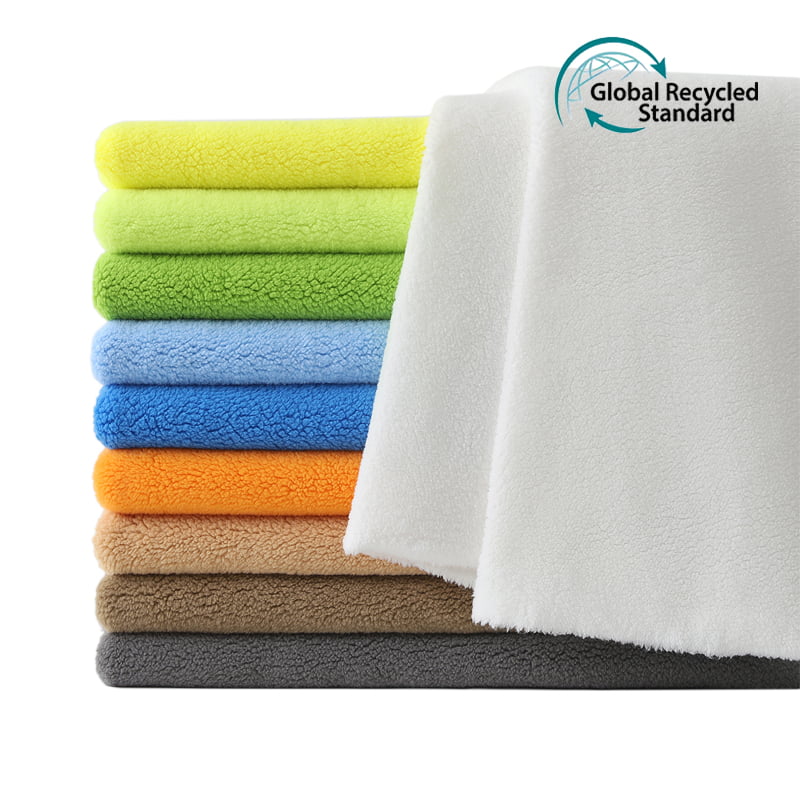
 Super PolyesterHigh-grade polyester products have the property of increasing elasticity when exposed to temperature. The product properties are similar to spandex, but compared to sp...View Product →
If you are specifying polyester yarns for carpets, towelling or nonwovens, send your specification sheet to the mill and request a sample lot before committing to a container.
Where Staple Fiber Ends Up
Staple fiber rarely stays visible as fiber. It disappears into the structure of the final product.
Apparel and home textiles
Polyester and cotton staple dominate spun yarns for shirting, knitwear, towelling and sheeting, where blending controls cost, hand and moisture behavior.
Nonwovens and hygiene
Carded and airlaid webs use short staple for needle-punched geotextiles, wipes, filtration media and absorbent hygiene products.
Carpets and technical textiles
Longer staple feeds worsted and woolen systems for carpet pile yarn, upholstery and industrial fabrics that need bulk plus abrasion resistance.
Where a design needs a continuous, high-tenacity strand instead of a spun one, filament DTY in counts such as 150D/288F covers carpet backing, edge yarn and heavy-duty woven applications.
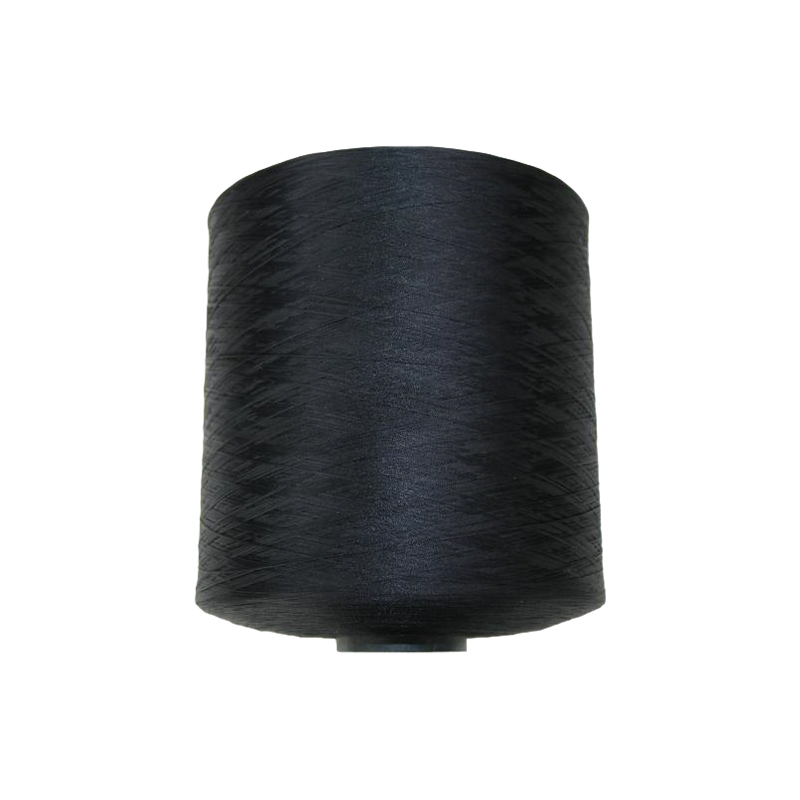 150D/288F Wear-Resistant And Durable Polyester Yarn Dty Polyester PoyMain Applications: medium-heavy jackets, trousers, and Outer layers for luggage. It provides excellent warmth and a crisp feel, and is durable. It meets consumer deman...View Product →
Staple Fiber FAQ
Is staple fiber weaker than filament yarn?
At the same polymer and linear density, a spun staple yarn usually shows lower tenacity than filament yarn, because load passes through fiber-to-fiber friction rather than a continuous strand. Spinning adds twist, which recovers part of that strength and adds bulk and cover.
What staple length is standard for polyester?
38 mm is the most common cut length because it matches the cotton spinning system. Apparel blends typically run 32 to 44 mm, while carpet and worsted applications move up to 51, 64 or 76 mm.
Can recycled staple fiber match virgin fiber?
Mechanically and chemically recycled polyester staple can reach comparable tenacity and crimp when sorting and filtration are controlled. Color consistency is the harder target, particularly for dope-dyed lots.
How should a buyer sample a staple lot?
Request a production sample rather than a hand-picked lab sample, then run a full bale trial on your own card and spinning frame. Compare nep count, end breakage and yarn evenness against your current supplier.