English
 عربى
عربى Türk
Türk Español

Content
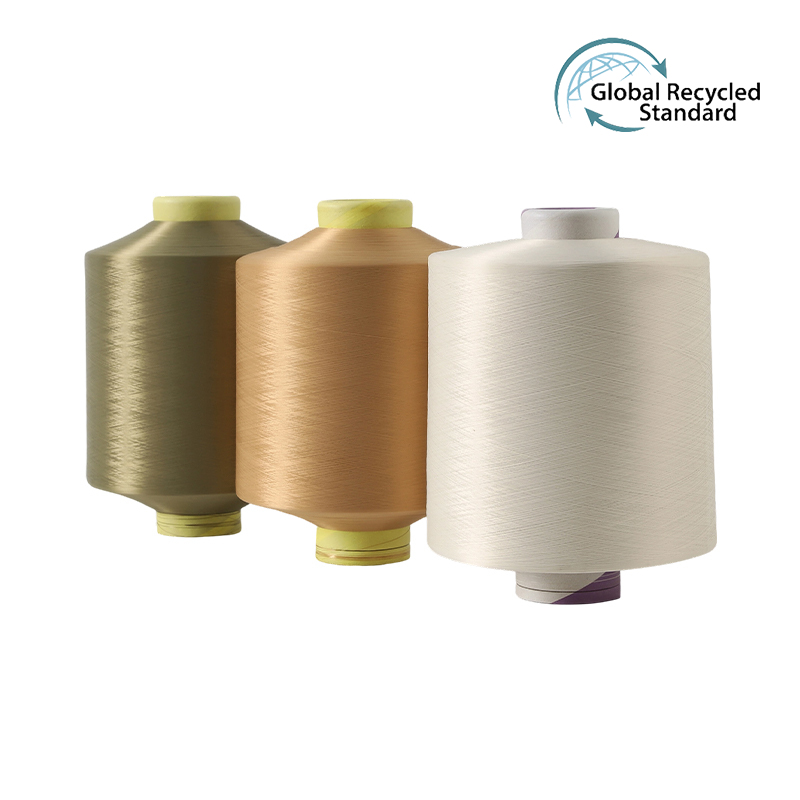
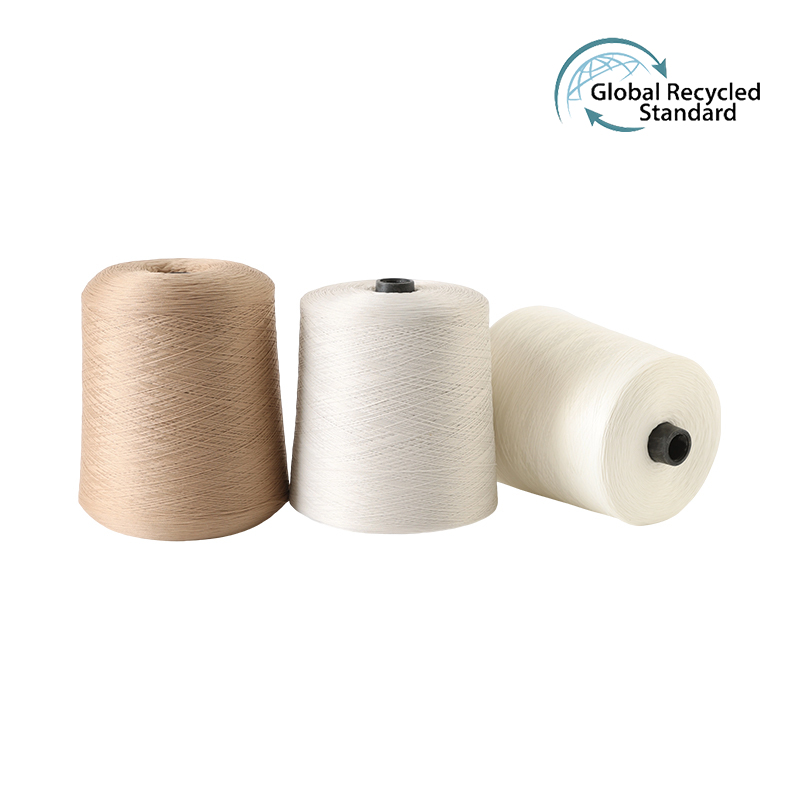
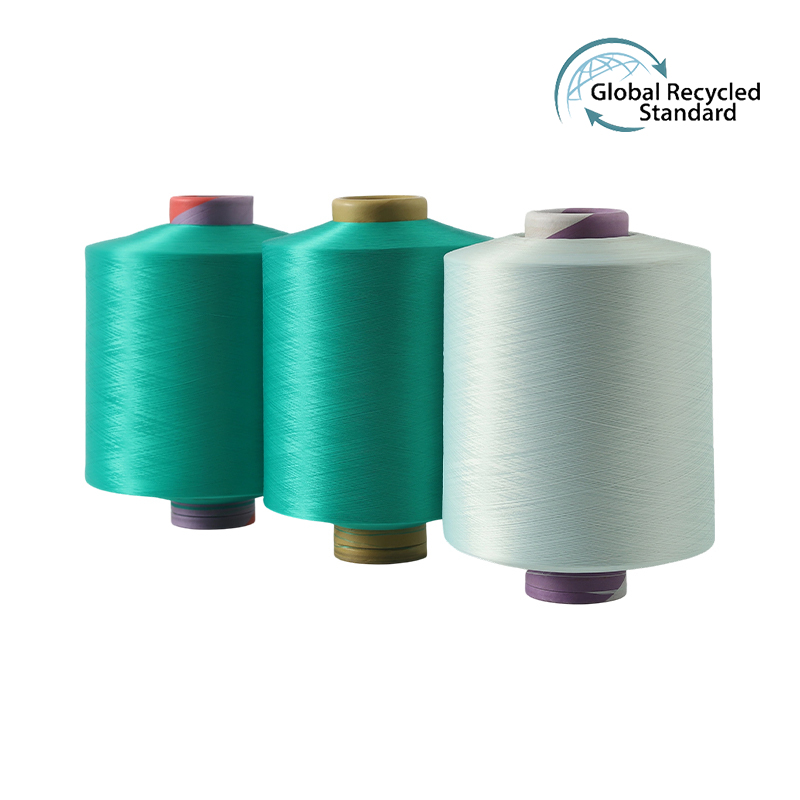
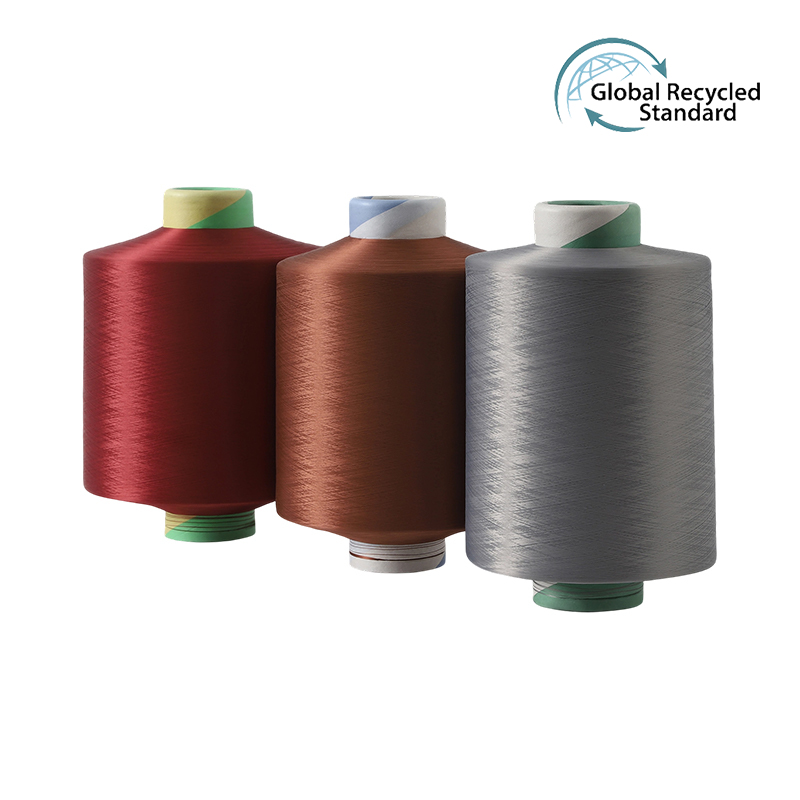
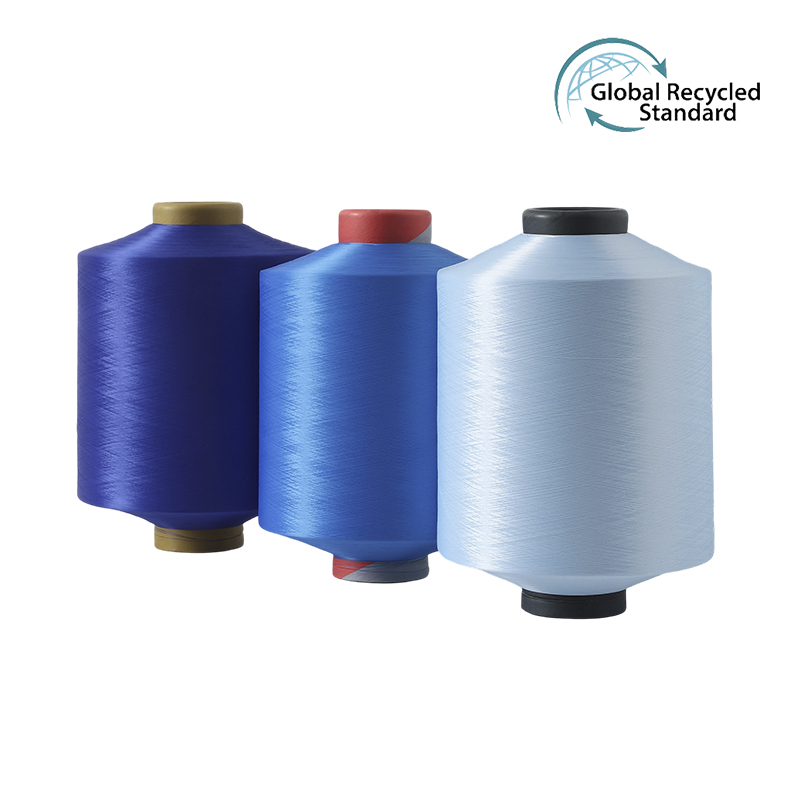
DTY polyester yarn delivers a unique combination of softness, bulk, and durable stretch that makes it indispensable across knitwear, home textiles, automotive fabrics, and industrial products. By texturing partially oriented yarn (POY) through a false-twist process, manufacturers achieve a permanently crimped filament with moderate elasticity, high strength, and excellent dye uptake. This direct answer highlights why DTY remains a top choice for applications ranging from medical gauze to luggage fabrics.
The Core Advantages of DTY Polyester Yarn
DTY yarn brings together properties that are difficult to combine in a single filament. Its textured structure creates a built-in crimp that provides elasticity without the use of spandex, while the polyester base offers inherent strength and chemical resistance.
- Moderate elasticity: Crimp contraction values typically range from 15% to 25%, giving fabrics comfortable stretch and recovery.
- High bulk and soft hand: The wavy filament structure traps air, enhancing fullness and a softer touch compared to flat polyester yarns.
- Excellent tenacity: DTY yarn regularly achieves a breaking tenacity of 3.8–4.5 g/den (3.4–4.0 cN/dtex), ensuring durability in high-stress applications.
- Superior color fastness: When properly dyed, DTY fabrics maintain a color fastness rating of grade 4–5 on standard AATCC scales, resisting fading after repeated washing and light exposure.
- Abrasion resistance: The strong polyester backbone withstands rubbing and scuffing, making it ideal for automotive interiors and luggage.
How POY Transforms into DTY
The production of DTY yarn starts with partially oriented yarn (POY). Polyester chips are melted at around 285–295°C, extruded through a spinneret, and rapidly cooled to form filaments. These filaments are drawn down at high speed, creating a semi-oriented structure with an elongation at break of 120–150%. This POY is then wound onto bobbins for the texturing stage.
In the false-twist texturing process, the POY passes through a primary heater where it is softened at a temperature of 190–220°C. A rotating spindle imparts a high level of twist, typically at a D/Y ratio of 1.8–2.2. The twisted, heat-set yarn is then cooled and untwisted, locking in a permanent helical crimp. The draw ratio applied during this stage, usually between 1.5 and 1.7, determines the final tenacity and elongation. The result is a stable, textured filament that delivers built-in bulk and stretch without chemical additives.
Quantifiable Performance Metrics
The quality of DTY polyester yarn is defined by a set of measurable characteristics. The table below shows typical values for a widely used 150 denier / 48 filament specification, which is a workhorse yarn for knit and woven fabrics.
| Property | Typical Value (150D/48F) |
|---|---|
| Tenacity (g/den) | 3.8–4.2 |
| Elongation at break (%) | 20–25 |
| Crimp contraction (%) | 18–22 |
| Crimp stability (%) | 78–85 |
| Boiling water shrinkage (%) | 2.5–4.0 |
| Oil pick-up (%) | 2.5–3.5 |
A key indicator of lasting performance is crimp stability. A well-textured DTY yarn exhibits crimp stability above 80%, ensuring the bulk and stretch survive repeated washing and mechanical stress. The low boiling water shrinkage keeps fabric dimensions stable during wet processing.
Versatile Applications Across Industries
The balanced properties of DTY yarn allow it to cross from fashion to function. Its smooth surface, dyeability, and elastic bulk support a wide range of end uses:
Apparel and Fashion Accessories
- Underwear and knitted underwear where softness and shape retention are critical
- Thermal clothing that relies on trapped air for insulation
- Socks, ties, gloves, and seamless garments requiring moderate stretch
Home and Decorative Textiles
- Bedding and sofa curtains with high abrasion resistance and vivid color retention
- Towels, mops, and ribbon lanterns where bulk and durability add functional value
- Jacquard decorative fabrics that benefit from clear pattern definition and luster options
Technical and Industrial Uses
- Medical gauze that demands cleanliness, strength, and controlled absorbency
- Automotive interior fabrics requiring UV stability, abrasion resistance, and easy cleaning
- Luggage fabrics and rain boots where water-repellent finishes can be applied to the durable base
- Warp knitting for sportswear and lining fabrics that needs uniform stitch formation
This breadth of use stems from DTY’s ability to be engineered in counts as fine as 30 denier for hosiery or as heavy as 600 denier for belting and webbing.
Customization and Fast Prototyping
Manufacturers can tailor DTY yarn to exact specifications. Custom options include adjusting the denier and filament count, specifying semi-dull or bright luster, and producing dope-dyed colors that eliminate a dyeing step. Elasticity can be tuned from low-elastic set yarns to high-stretch versions for activewear.
Technical support services offer prototyping to validate yarn performance in a specific fabric construction before bulk production. Production runs are optimized to deliver orders within 15 days under typical conditions, allowing brands to move from sample approval to commercial shipment quickly. This speed, combined with consistent dyeability and uniform evenness, reduces downstream reject rates in knitting and weaving mills.
Production Reality and Quality Assurance
The standard lead time of 15 days relies on stabilized POY supply and continuous texturing machine operation. Quality is monitored through online sensors that track yarn tension, heater temperature, and intermingling points. Offline testing verifies the tenacity, elongation, and crimp properties shown in the earlier table for every batch. Such control ensures that a 150D/48F DTY yarn from different production lots sews, dyes, and feels identical, giving apparel and technical textile manufacturers the reliability needed for just-in-time supply chains.
By understanding these properties and process variables, fabric developers can select the correct DTY specification and count on repeatable performance from the first sample to the millionth meter.