English
 عربى
عربى Türk
Türk Español

Content
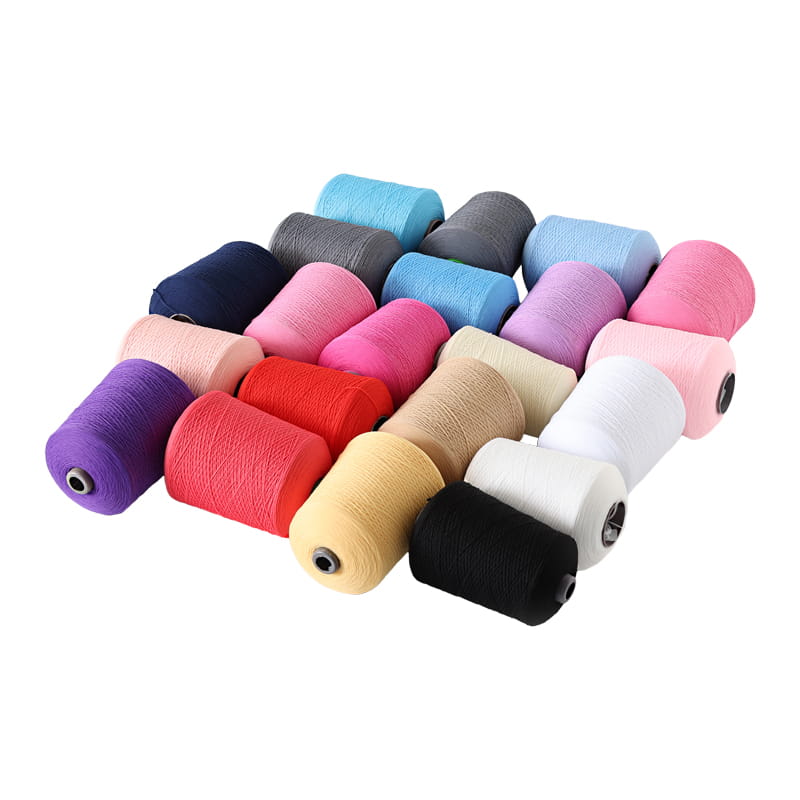
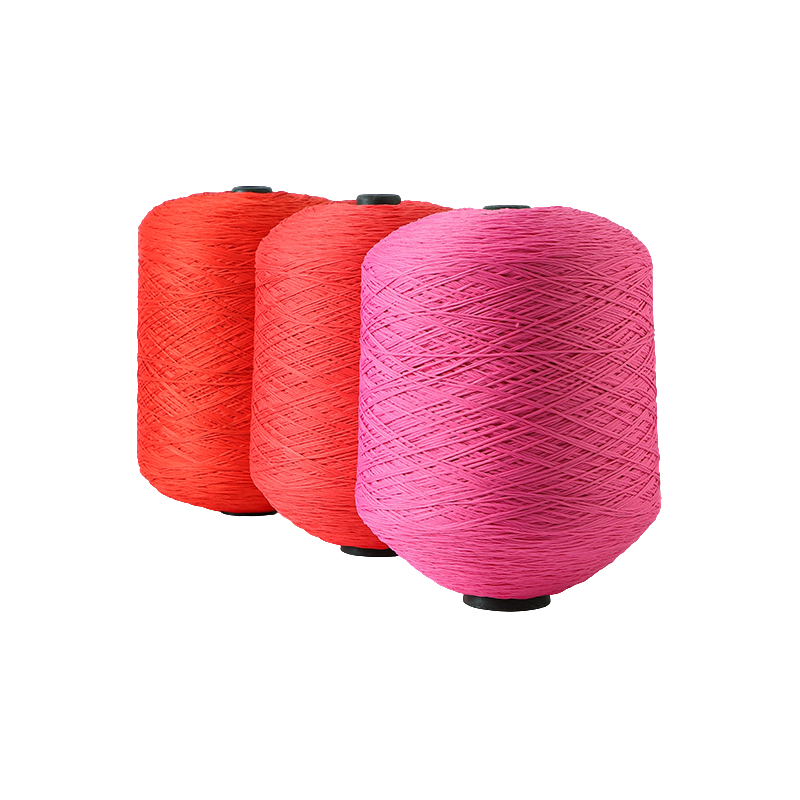
Polyester yarn accounts for nearly 60% of global synthetic fiber output — yet the performance gap between standard grades and truly engineered options is wider than most buyers expect. Two categories sit at the top of the quality ladder: high-grade polyester yarn and super polyester yarn. Understanding what separates them from commodity-grade alternatives helps you make sourcing decisions that hold up in finished products.
What "High-Grade" Actually Means in Polyester
Standard polyester is made from PET chips, melt-spun, drawn, and wound. High-grade variants start with the same chemistry but demand tighter control at every stage — chip viscosity, spinneret filtration, quenching airflow, and winding tension all affect final yarn consistency.
The practical result: high-grade polyester yarn delivers superior denier uniformity (meaning fewer thick-thin spots), higher tenacity values, and more consistent elongation across a production run. For downstream manufacturers, this translates directly into fewer loom stops, more even dye uptake, and finished fabrics that hold their appearance through repeated washing cycles.
Color fastness is another marker. Commodity yarns often reach level 3 color fastness; properly engineered high-grade products target level 4 and above — relevant for anything sold into export markets with strict OEKO-TEX or REACH compliance requirements.
Super Polyester: The Spandex Alternative Worth Knowing
The term "super polyester" refers to a new-generation fiber engineered to behave like spandex under heat — without spandex's well-known weaknesses. The mechanism is temperature-responsive: when the yarn encounters heat (during knitting, weaving, or finishing), its elasticity increases to approximately 2.5–3× its pre-heat value and stabilizes there. That activated elasticity is then retained long-term.
Compared to spandex (polyurethane), super polyester offers several structural advantages: it doesn't degrade from repeated chlorine exposure, it resists fiber fatigue more effectively, and it maintains consistent mechanical properties after more than three years of storage. Spandex can break down and lose stretch recovery within months of production if stored improperly. Super polyester holds stable.
From a processing standpoint, it can be blended directly with wool, cashmere, acrylic, and viscose. It's compatible with spray dyeing, segment dyeing, and hank dyeing — but not package dyeing, where the pressure and heat combination causes unwanted shrinkage changes. Buyers specifying this material should plan for hank dyeing if custom colors are required.
Key Specifications to Compare Before Ordering
Specs matter more than marketing language. Here's what to ask for when evaluating high-grade polyester yarn or super polyester yarn from any supplier:
| Parameter | Standard Polyester | High-Grade / Super Polyester |
|---|---|---|
| Denier Range | 50D–600D (variable tolerance) | 50D–360D / 36–96F (tight CV%) |
| Color Fastness | Level 3 | Level 4 (color-spun) |
| Elasticity Activation | None | 2.5–3× increase on heat exposure |
| Shelf Life / Stability | 12–18 months typical | 3+ years with consistent properties |
| Anti-Pilling | Moderate | Strong (friction-resistant fiber structure) |
| Certifications | Varies | OEKO-TEX Standard 100, GRS-eligible |
The 100D/36F and 75D/36F formats are the most commonly stocked for immediate delivery; custom colors and heavier deniers like 360D/96F require 4–7 days for standard colors or 15–20 days for custom color-spun orders with a minimum of 2 tons per color.
Where These Yarns Perform Best
High-grade and super polyester yarns cover a broader application range than most buyers initially consider. The core use cases include:
- Performance sportswear and compression garments — temperature-activated elasticity provides consistent compression without the chlorine sensitivity of spandex.
- Swimwear and beachwear — UV stability and elasticity retention after repeated water exposure make super polyester more durable than standard stretch yarns.
- Machine-packed woolen sweaters — super polyester acts as a direct spandex replacement in knitwear blends without affecting the dyeing schedule for wool or cashmere.
- Automotive interior fabrics — dimensional stability under heat (seat covers, headliners) and long-term shape retention match the demands of OEM specifications.
- Elastic narrow fabrics — waistbands, bra straps, and underwear elastics benefit from fatigue resistance that holds wash-after-wash.
- Medical compression textiles — support braces and orthopedic garments require consistent elastic recovery across months of use; super polyester delivers this without degradation.
For DTY/POY-based textile manufacturing, pairing high-grade POY feedstock with downstream draw-texturing produces more consistent DTY output — fewer filament breaks, more even bulking, and cleaner dye results on the finished fabric.
What to Watch for When Sourcing
Three sourcing risks are common with performance polyester yarns. First, some suppliers label standard recycled DTY as "high-grade" based purely on raw material source rather than processing quality. Request test data for tenacity (cN/dtex), elongation at break (%), and color fastness ratings — not just the product name.
Second, super polyester is not compatible with package dyeing. If you source this material and run it through package dyeing without flagging it, you will see inconsistent shrinkage that creates seam pucker and fabric distortion in the final product. Confirm your dyeing method before ordering.
Third, storage matters for long-term performance. The 3-year stability claim applies under proper conditions — cool, dry, away from direct UV exposure. Yarns stored in humid or high-temperature environments will show accelerated IV (intrinsic viscosity) degradation regardless of initial grade.
If you're evaluating high-grade polyester yarn for a new product line, request physical samples and knit test swatches before committing to bulk. The performance gap between a well-specified yarn and an off-spec substitute shows up clearly in a simple wash-and-stretch test — it's the fastest way to verify supplier claims before your production run starts.