English
 عربى
عربى Türk
Türk Español

Content
- 1 What Is Overlock Sewing Yarn?
- 2 High-Elastic vs. Medium-Elastic: Which Do You Need?
- 3 Carpet vs. Towel Applications: Different Demands, Different Specs
- 4 Color Fastness: Why the Dyeing Method Matters
- 5 Key Specs to Confirm Before You Order
- 6 Machine Compatibility and Setup
- 7 The Bottom-Line Selection Logic
Every garment or textile that passes through an overlock machine is only as strong as the thread holding its edges together. Choose the wrong yarn, and you face pilling, color bleeding, or seam failure after just a few washes. Choose right, and the finished product holds its shape, color, and structure through hundreds of cycles. This guide breaks down what overlock sewing yarn actually is, how the main types differ, and how to match the right specification to your application.
What Is Overlock Sewing Yarn?
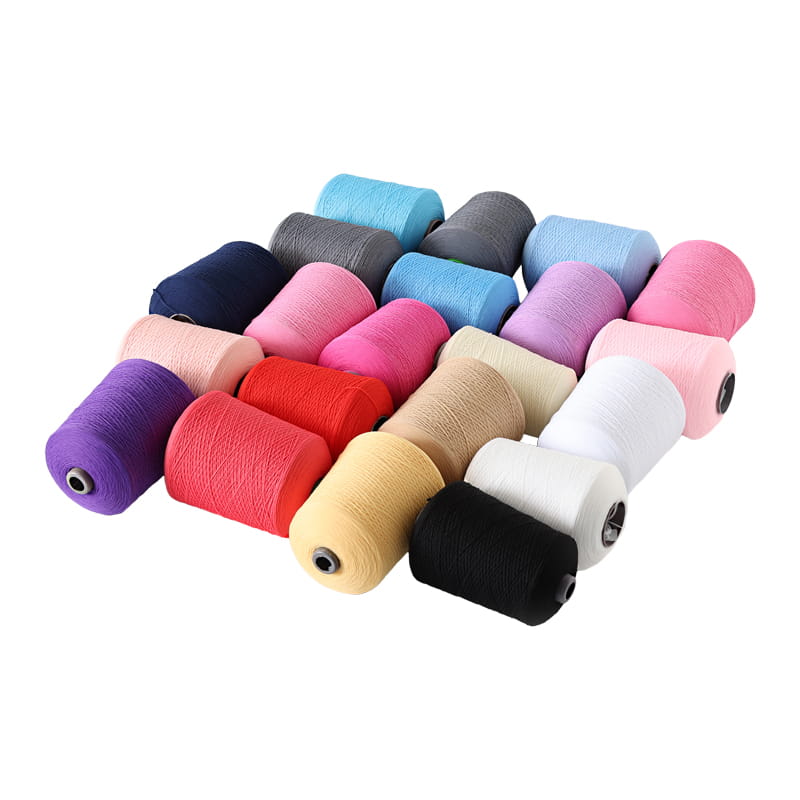
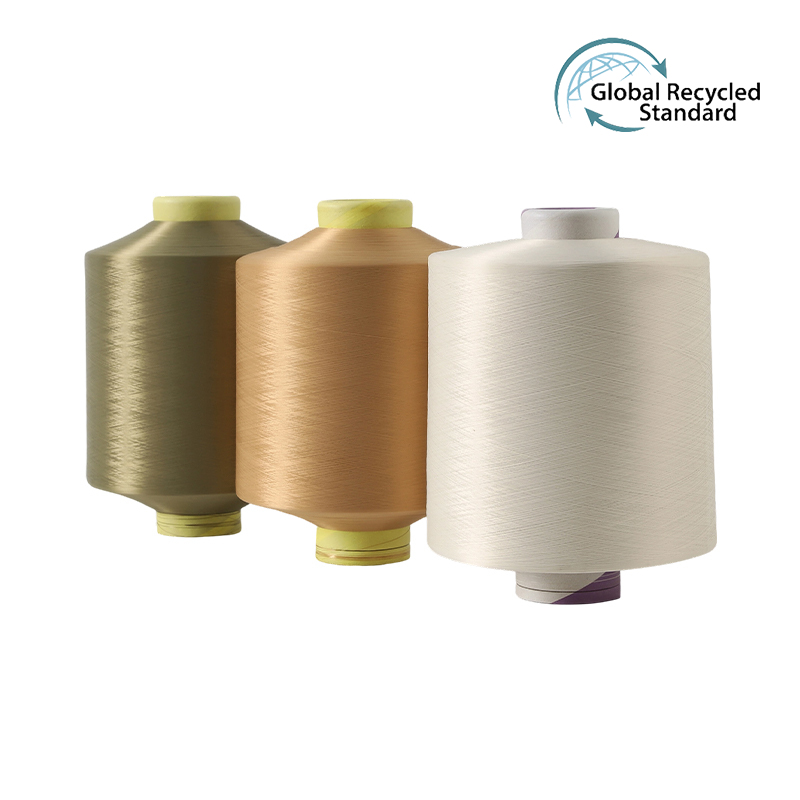
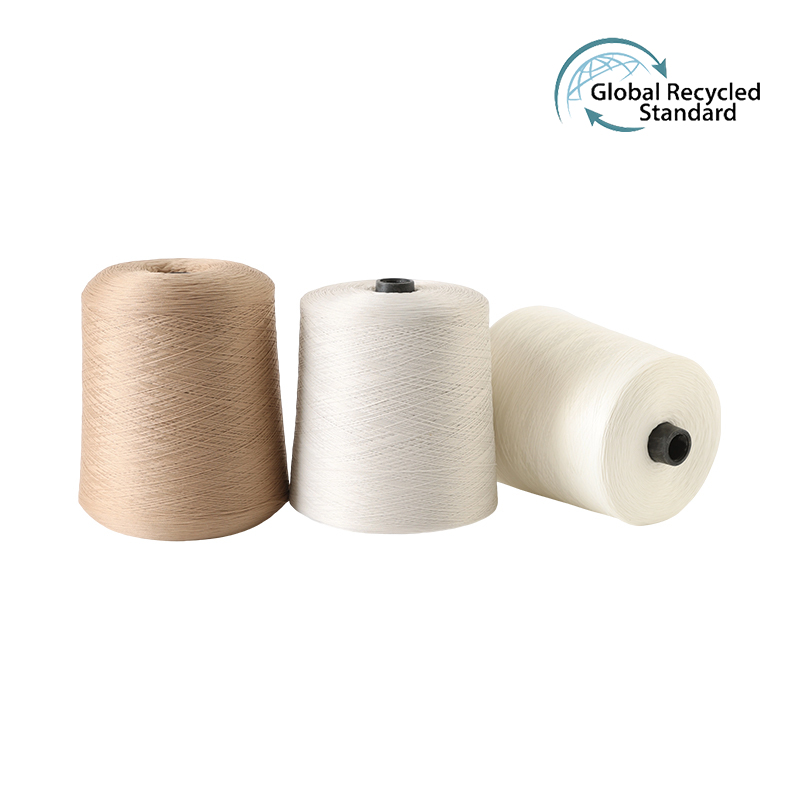
Overlock sewing yarn — also called serger thread — is engineered specifically for use in overlock (serger) machines. Unlike standard sewing thread, it wraps around fabric edges at high speed to simultaneously trim, seal, and stitch, preventing fraying and giving seams a clean, professional finish. Polyester DTY (Draw Textured Yarn) is the dominant material used today because it combines softness, elasticity, and wash resistance in one filament structure.
The construction differs from regular thread: overlock yarn is typically a continuous multifilament with no twist, giving it a slightly fluffy texture that provides better coverage along raw edges. This is exactly why a standard sewing thread loaded into a serger tends to produce uneven, breakage-prone stitches — the two are not interchangeable.
High-Elastic vs. Medium-Elastic: Which Do You Need?
The elasticity level is the first spec to nail down before ordering in bulk. The two main grades serve different end products:
- High-elastic overlock yarn — Typically constructed at 300D/96F with approximately 30 filaments woven together, then heat-set to maximize stretch. A single monofilament can extend up to 18 cm before returning to its original length. This grade is the standard choice for high-elastic towel overlock sewing yarn used on kitchen towels, bath towels, and other textiles that undergo repeated mechanical stress and washing.
- Medium-elastic overlock yarn — Built at 360D/96F with around 25 filaments. A single spool weighs approximately 1 kg (excluding tube) and runs about 25,000 meters. The reduced elasticity makes it better suited for applications where dimensional stability matters more than stretch recovery, such as flat-woven textile edges.
A quick field test: pull a length of yarn between your fingers and release. High-elastic yarn snaps back almost instantly; medium-elastic returns more slowly. If your finished products must survive commercial laundering at high temperatures, high-elastic is typically the safer choice.
Carpet vs. Towel Applications: Different Demands, Different Specs
Overlock yarn for carpets and rugs operates under entirely different mechanical conditions than towel yarn. Carpet edges take compression, foot traffic, and abrasion; towel edges face repeated tensile stress from washing and drying cycles. The fiber construction must reflect these differences.
For carpet edging, a twisted and bulked polyester structure — sometimes called a high-elastic carpet yarn — provides the stiffness and bulk needed to anchor carpet pile without collapsing under load. DTY overlock thread engineered for carpet finishing is formulated with higher tenacity filaments that resist the abrasion inherent in floor applications. Towel overlock yarn, by contrast, prioritizes softness and absorbency retention — the thread should not impede the towel's water-wicking performance after it is stitched.
Color Fastness: Why the Dyeing Method Matters
Color consistency is a persistent headache in overlock yarn sourcing, particularly for light-colored textiles where a mismatched edge thread is immediately visible. The root cause is almost always the dyeing method. Conventionally dyed yarn can bleed in the first wash and shift shade across production batches.
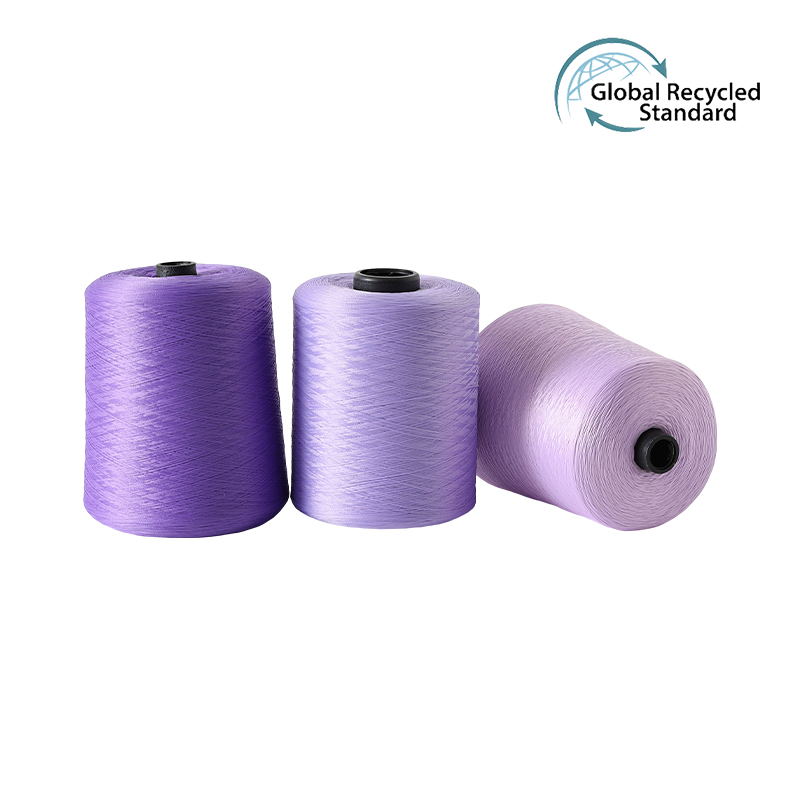
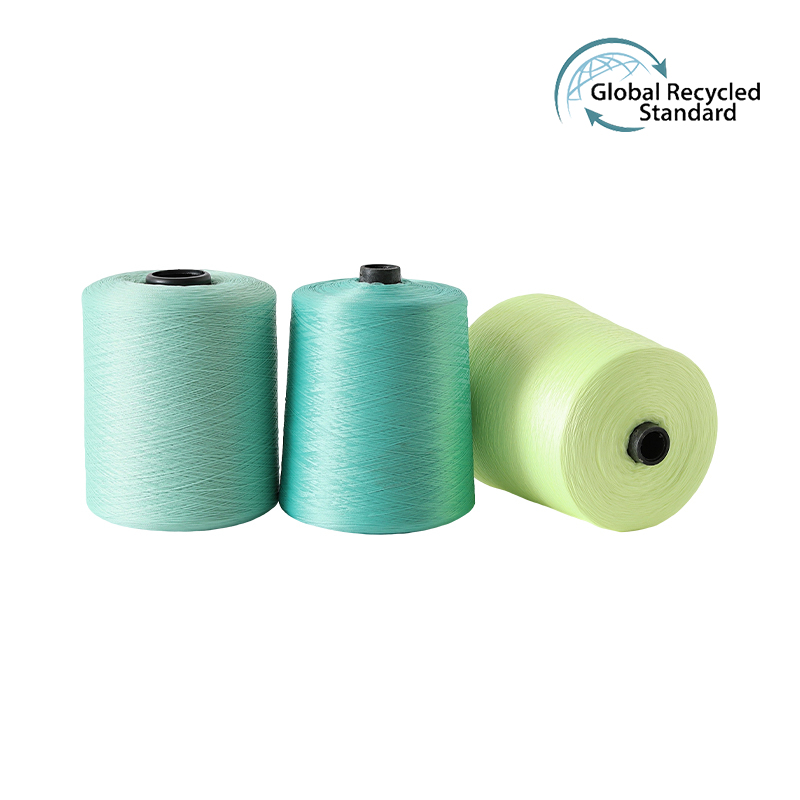
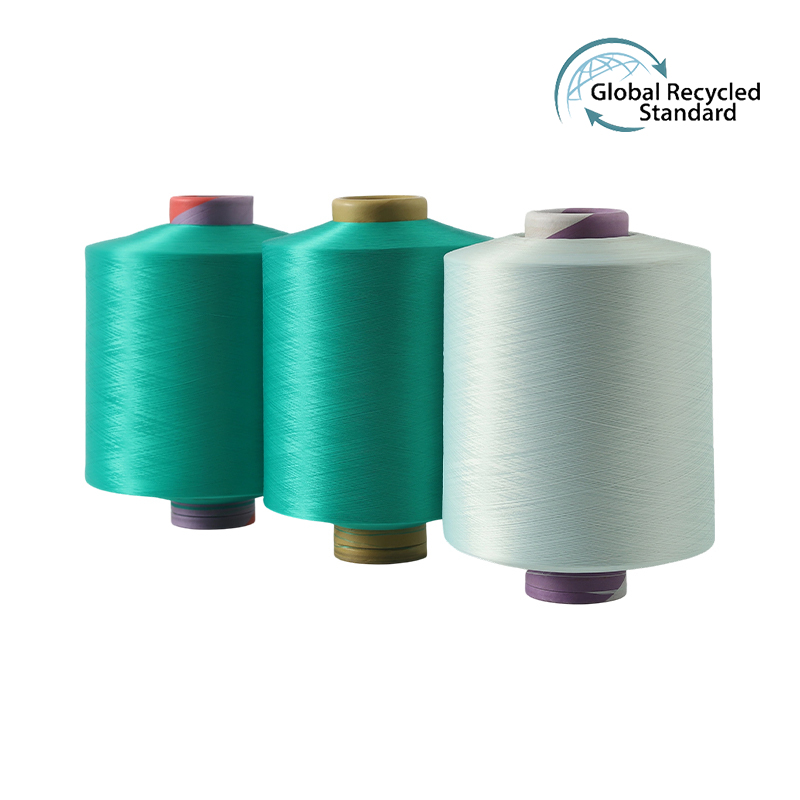
Chemical fiber color spinning (solution dyeing) solves this at the source. Color pigment is introduced directly into the polymer melt before the fiber is extruded, so the color is locked into the filament structure rather than applied on the surface. The result is Grade 4 color fastness — a significant improvement over most surface-dyed alternatives — with zero wastewater from dyeing. For manufacturers sourcing overlock yarn for white or pastel towels, this process eliminates the risk of color migration onto the base fabric during industrial washing.
Customization flexibility is another benefit of this method: denier count, filament count, and color can all be adjusted within the same production setup. Minimum order quantities for personalized colorways typically start at around two metric tons.
Key Specs to Confirm Before You Order
When requesting samples or placing a bulk order, the following parameters define whether the yarn will perform as expected:
| Parameter | High-Elastic Grade | Medium-Elastic Grade |
|---|---|---|
| Denier / Filament | 300D / 96F | 360D / 96F |
| Yarn Count (approx.) | ~30 filaments | ~25 filaments |
| Spool Length | ~7,000 m (333 g/spool) | ~25,000 m (1 kg/spool) |
| Color Fastness | Grade 4 | Grade 4 |
| Dyeing Method | Color spinning (no dye bath) | Color spinning (no dye bath) |
| Monofilament Extension | Up to 18 cm | Standard recovery |
Beyond these numbers, verify that the yarn is filament-based (no joints, no splices) and that the supplier can provide UV resistance test data if the finished product will have outdoor exposure. Pilling resistance is another marker of quality — continuous filament construction inherently resists pilling because there are no staple fiber ends to work loose under friction.
Machine Compatibility and Setup
Polyester overlock yarn in the DTY category is compatible with both manual and automatic overlock machines. The key setup variables are tension and needle size. Running too tight a tension with a high-elastic yarn causes the seam to pucker; too loose and the stitch loops fail to lock properly. A useful starting point: reduce upper looper tension by 10–15% compared to your standard spun-polyester setup, then test on scrap material from the actual production batch.
For DTY overlock thread used in towel production, feed the thread from a cone stand positioned above the machine to prevent drag-induced tension spikes at high sewing speeds. Consistent feeding is particularly important when working with high-elastic grades, as any tension variation is amplified by the yarn's stretch characteristics.
The Bottom-Line Selection Logic
Matching overlock yarn to application is straightforward once you work backwards from the finished product. Start with the substrate: towels demand high-elastic, solution-dyed polyester with Grade 4 color fastness. Carpets need a bulked or twisted construction with higher abrasion resistance. Then confirm the machine type, spool format, and minimum order quantity against your production volume.
The thread running along the edge of a finished towel or carpet is invisible to the end consumer — but its failure is not. Specifying the right overlock sewing yarn upfront eliminates rework, reduces returns, and keeps seam integrity where it belongs: built in from the start.