English
 عربى
عربى Türk
Türk Español

Content
- 1 Why Polyester Has Become the Default Carpet Fiber
- 2 The Two Pile Structures That Define Performance
- 3 Four Performance Properties Worth Verifying Before You Buy
- 4 The Yarn Behind the Fabric: Why Raw Material Source Matters
- 5 Practical Care That Extends Service Life
- 6 Sustainability: What Recycled Polyester Actually Means for Carpet
- 7 Matching Fabric to Application: A Quick Reference
Why Polyester Has Become the Default Carpet Fiber
Global textile fiber production hit 132 million tons in 2024, and polyester claimed 59% of that volume — more than all other fibers combined. Carpet and home furnishing are a major reason why. Buyers ranging from interior designers to commercial procurement teams are choosing polyester not just for cost, but because modern fiber engineering has genuinely closed the gap with premium alternatives like nylon and wool.
If you're sourcing flooring material for residential projects, hospitality fit-outs, or retail spaces, understanding how Polyester Carpet Fabric actually performs — beyond the marketing — will save you from costly mismatches between material and application.
The Two Pile Structures That Define Performance
Every polyester carpet fabric ships as either cut pile or loop pile. The difference matters more than the fiber denier or color options, because it dictates where the fabric works and how long it lasts.
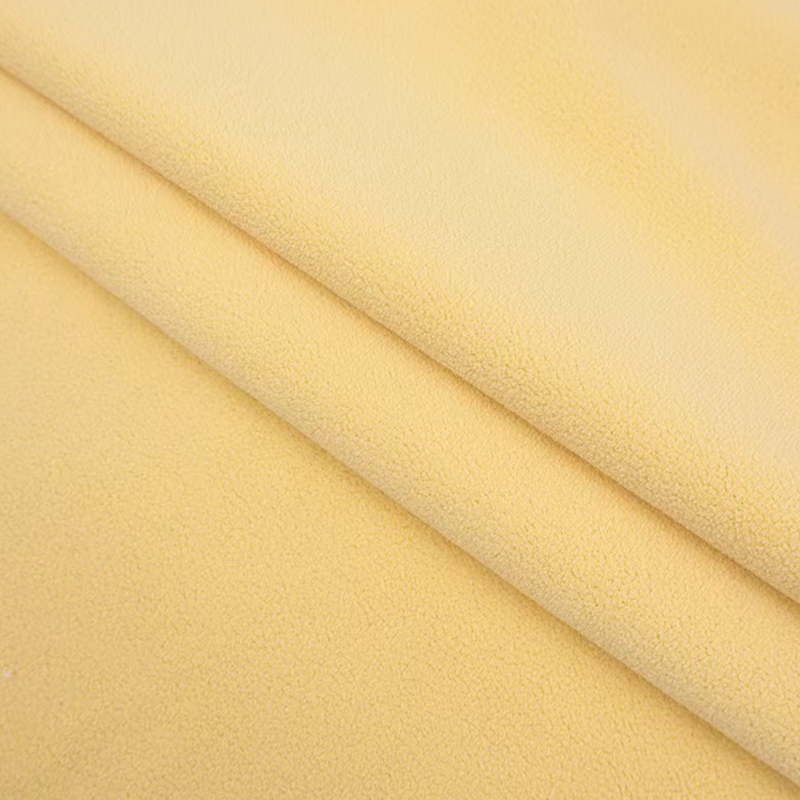
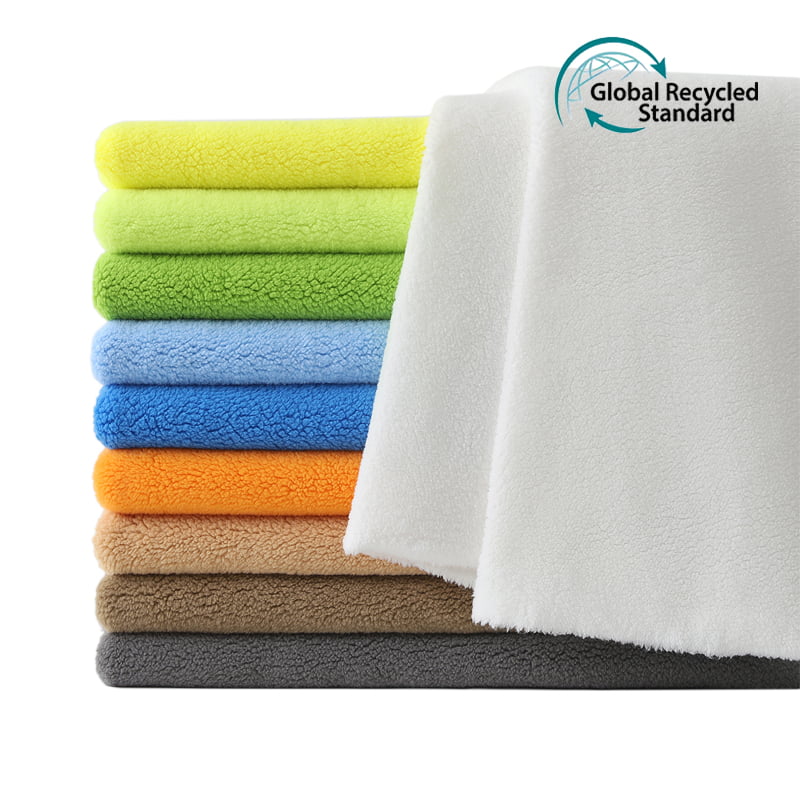
Cut pile fabric is made by slicing the yarn loops at the tip, leaving individual fiber strands standing upright. The result is a soft, plush surface that feels luxurious underfoot and photographs beautifully. It performs well in bedrooms, hotel guest rooms, and formal living areas where foot traffic stays moderate. The trade-off: cut fibers are more prone to crushing over time in high-traffic zones, so placement matters.
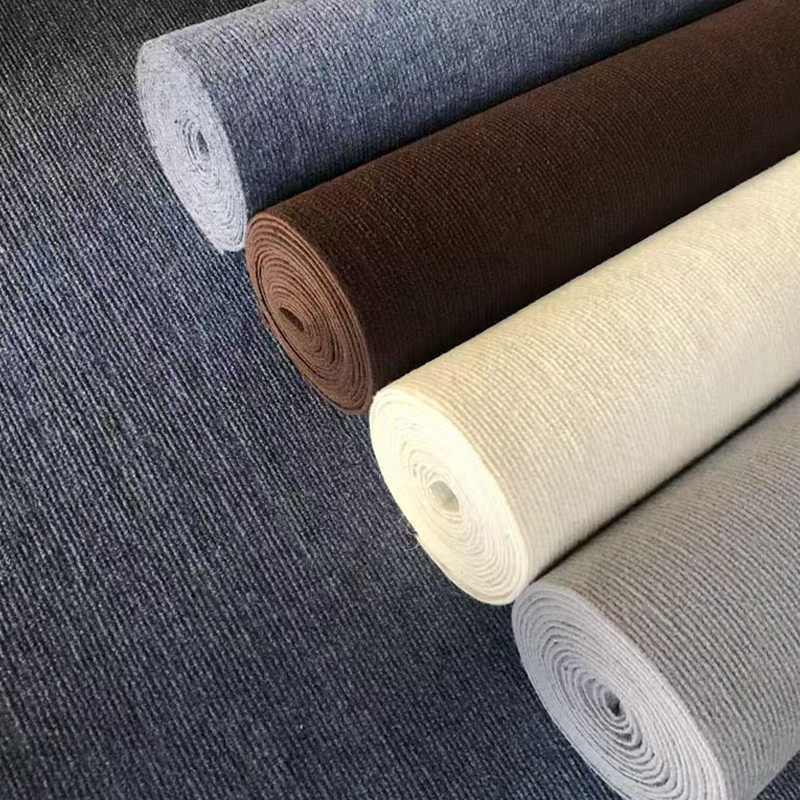
Loop pile keeps the yarn intact in continuous loops anchored to the backing. This construction is denser and more resistant to crushing, which makes it the preferred choice for corridors, offices, and commercial floors that see daily heavy use. Loop pile fabrics also hide soil more effectively, reducing visible maintenance between cleanings.
For a direct comparison of both structures with technical specs, see the cut pile carpet fabric product range and the loop pile carpet fabric options.
Four Performance Properties Worth Verifying Before You Buy
Polyester's reputation is strong, but not all carpet fabric is manufactured to the same standard. Here are the four properties that consistently separate well-made material from commodity product:
- Stain resistance: Polyester fibers are hydrophobic by nature, meaning liquid spills bead on the surface rather than being immediately absorbed. This makes cleanup faster than with most natural fibers. High-quality solution-dyed polyester adds another layer — the dye is integrated into the fiber during extrusion, not applied afterward, so color stays locked even if the surface gets scrubbed repeatedly.
- Fade resistance: Unlike some natural fibers that bleach gradually under UV exposure, polyester maintains color saturation in sun-exposed rooms. This is especially relevant for south-facing spaces and commercial atriums with skylights.
- Allergen resistance: Polyester does not harbor dust mites or mold the way wool or cotton backing can. For healthcare facilities, schools, or households with allergy sufferers, this is a meaningful functional advantage.
- Yarn twist and density: The tighter the yarn twist and the higher the pile density, the more resilient the carpet. Ask suppliers for denier count and fiber specifications — these numbers tell you more about long-term durability than any marketing description.
The Yarn Behind the Fabric: Why Raw Material Source Matters
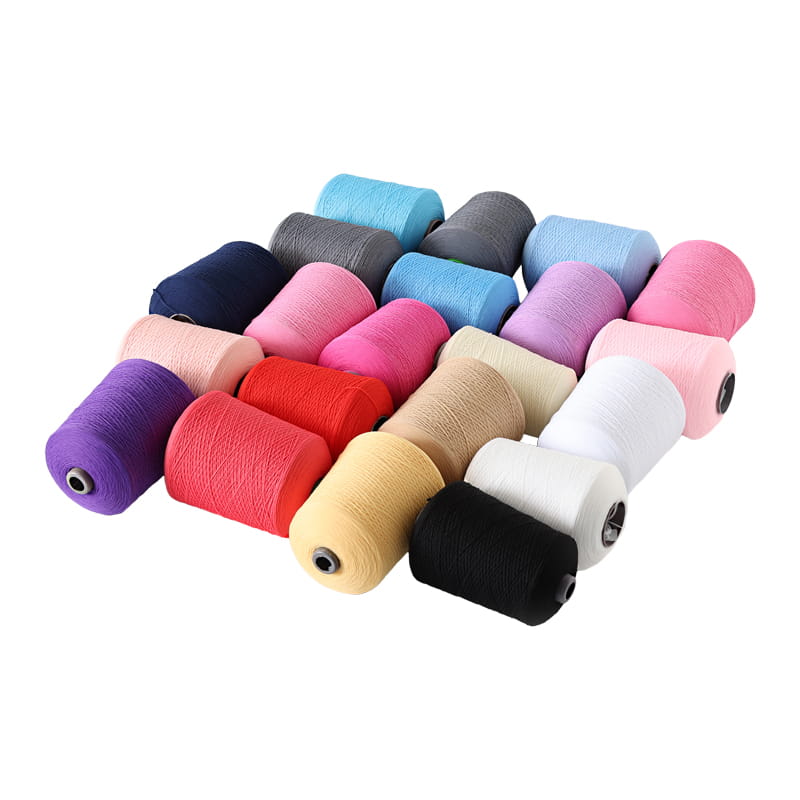
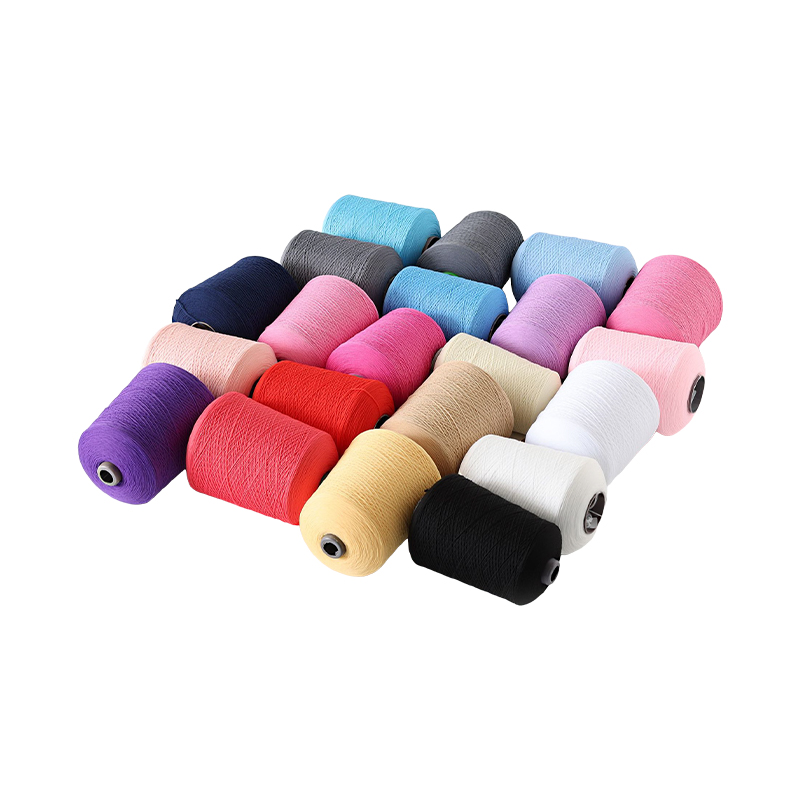
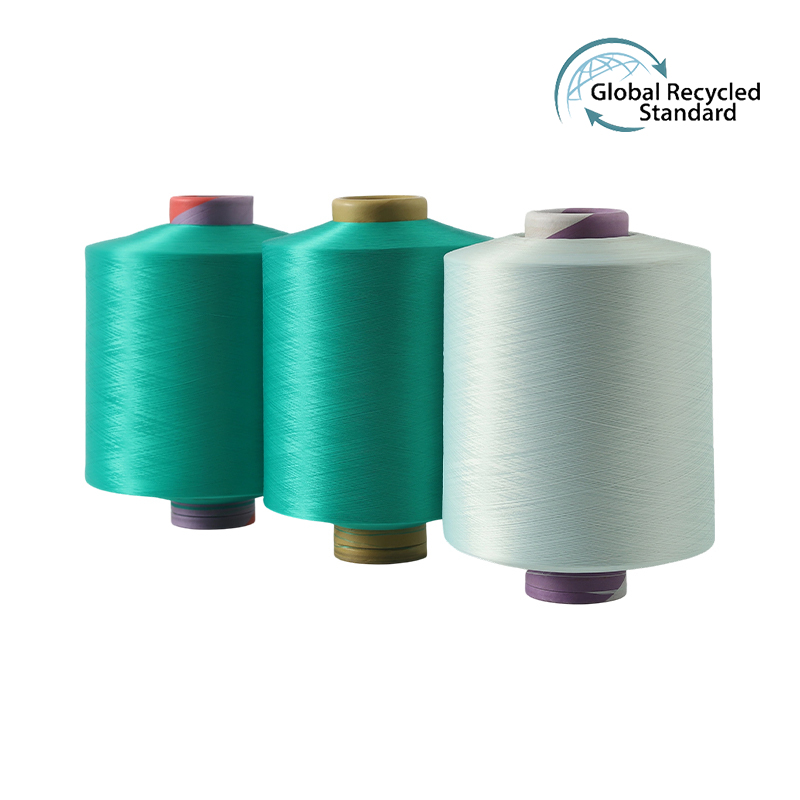
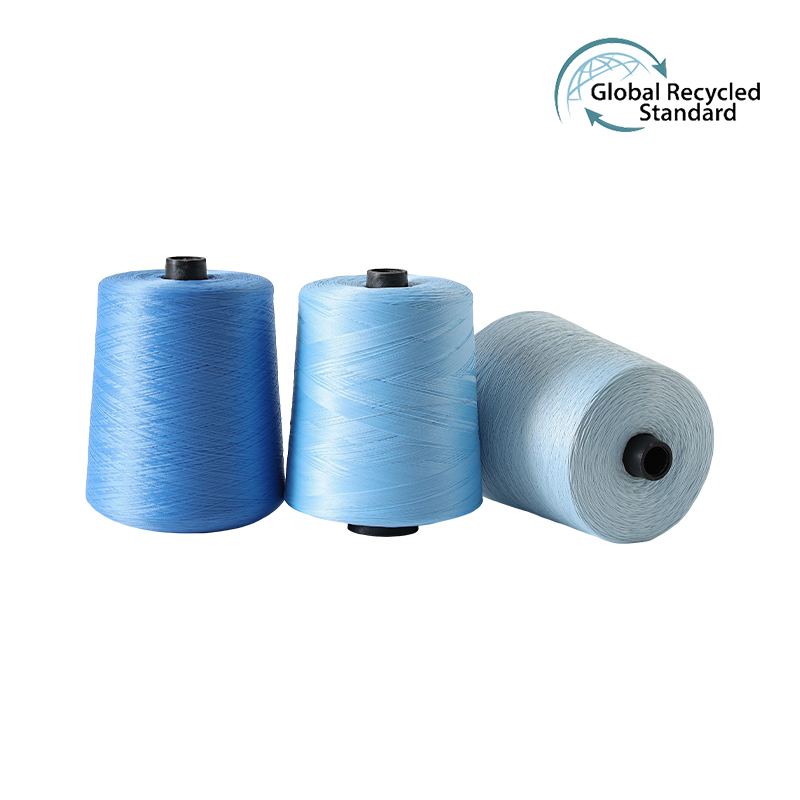
Carpet fabric quality is largely determined before the tufting machine starts. The type of polyester yarn used — whether standard DTY, recycled POY, or high-elastic carpet-specific yarn — directly affects pile recovery, surface texture, and how the finished fabric ages under foot traffic.
Manufacturers who control their yarn supply can calibrate fiber properties specifically for carpet end-use: higher bulk, better crimp retention, and consistent denier across production runs. This vertical integration reduces the variability that shows up as uneven pile height or premature matting in lower-grade products. If you're evaluating a supplier, asking about their yarn source is a reasonable due diligence step.
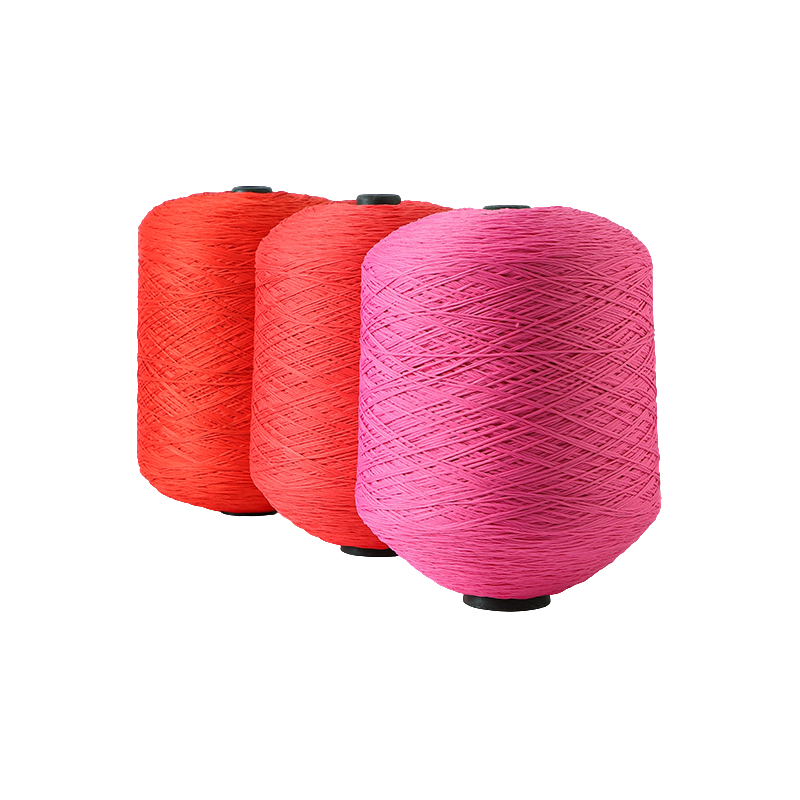
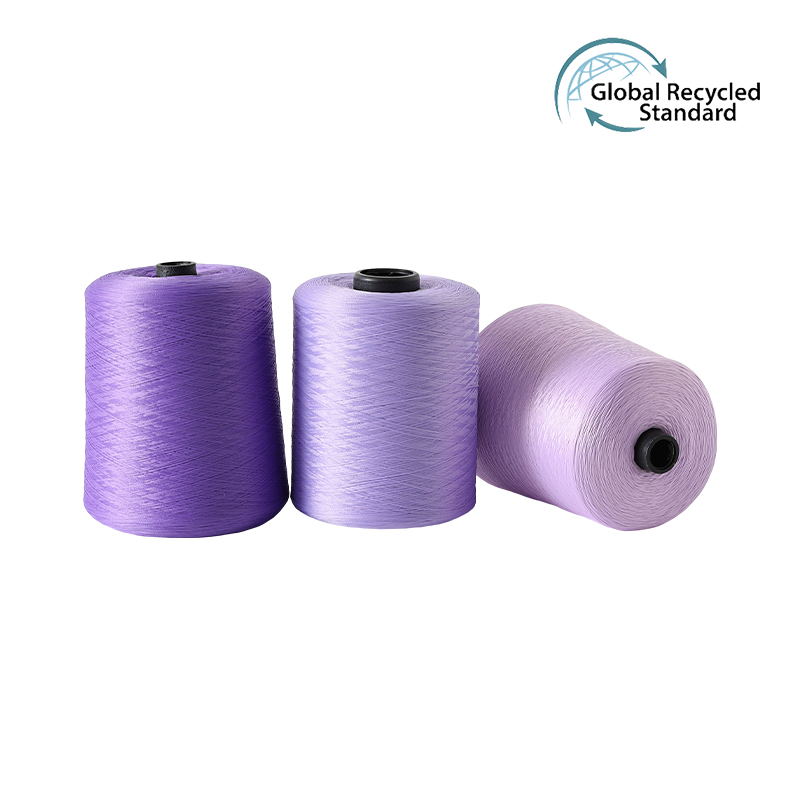
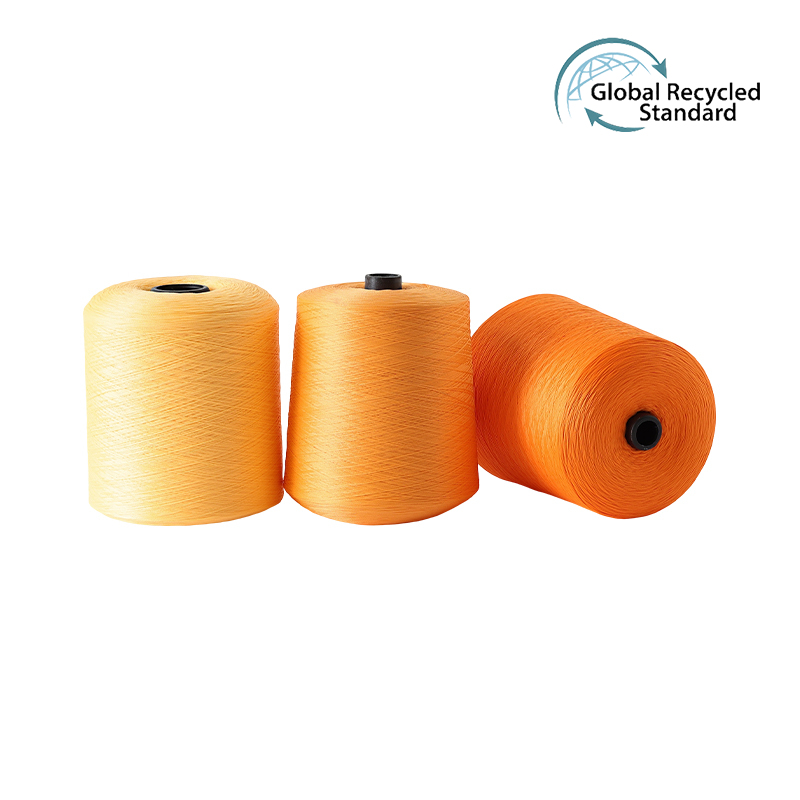
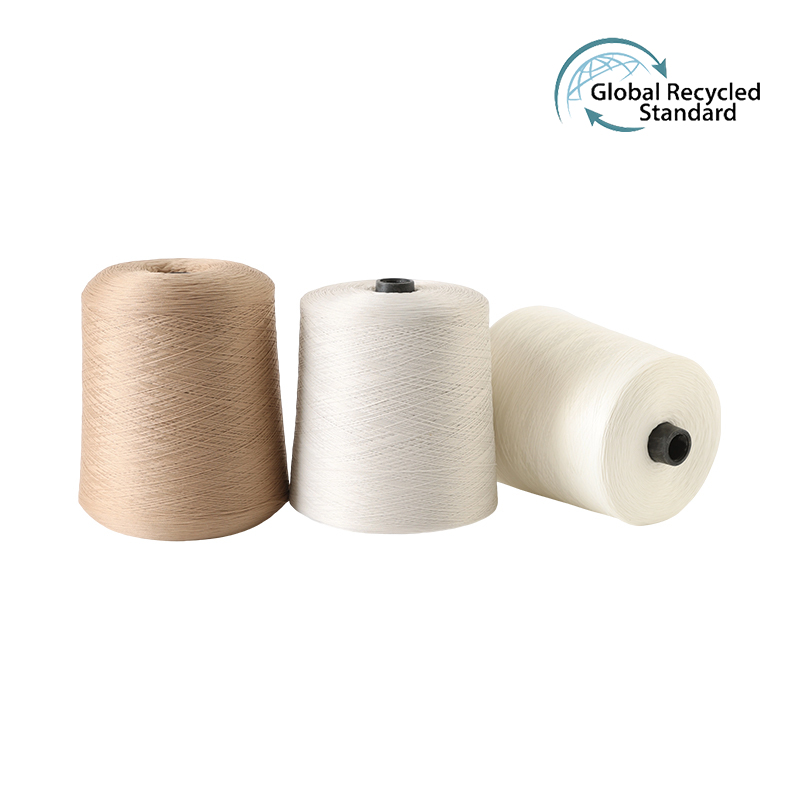
You can explore the upstream material used in carpet production through the high-elastic polyester carpet yarn that goes into professional-grade fabric.
Practical Care That Extends Service Life
Polyester carpet fabric is relatively low-maintenance, but a few practices consistently extend its usable life:
- Vacuum regularly with a suction-only or adjustable-height setting. Aggressive beater-bar vacuums can stress loop pile constructions and accelerate fiber wear.
- Treat spills immediately. Blot — don't rub — to prevent the liquid from spreading laterally through the pile. Polyester's hydrophobic nature gives you time, but only if you act within the first few minutes.
- Use a pH-neutral cleaner for deeper cleaning. Alkaline or acidic products can degrade the backing adhesive and cause delamination over time.
- For cut pile fabric in high-traffic areas, rotate furniture placement periodically to distribute wear patterns evenly across the surface.
Sustainability: What Recycled Polyester Actually Means for Carpet
Demand for recycled polyester fibers grew 8% in 2024, and carpet fabric is part of that shift. Recycled PET — derived primarily from post-consumer plastic bottles — can be processed into carpet-grade fiber with performance characteristics comparable to virgin polyester. For buyers with sustainability mandates or ESG reporting requirements, sourcing carpet fabric made from recycled feedstock is increasingly a practical option rather than a niche premium.
That said, fiber source alone doesn't guarantee quality. Recycled yarn must meet the same denier, crimp, and tensile specifications as virgin material to perform reliably in carpet applications. Requesting test data or certifications (such as GRS — Global Recycled Standard) from your supplier adds confidence that the sustainability claim is backed by verifiable production standards.
For buyers interested in the full recycled polyester fiber picture, the production process and applications of recycled DTY yarn offers a useful technical reference.
Matching Fabric to Application: A Quick Reference
| Application | Recommended Pile Type | Key Requirement |
|---|---|---|
| Bedroom / Guest Room | Cut Pile | Softness, color richness |
| Office / Corridor | Loop Pile | Crush resistance, easy maintenance |
| Hotel Lobby | Loop Pile (dense) | High durability, appearance retention |
| Children's Room | Cut Pile (low pile height) | Allergen resistance, easy cleaning |
| Sunroom / Bright Space | Either (solution-dyed) | UV / fade resistance |
Polyester carpet fabric continues to expand its footprint in both residential and commercial interiors — and for good reason. The combination of practical performance, cost efficiency, and improving sustainability credentials makes it a rational default for most flooring projects. The decision point for buyers is no longer whether to use polyester, but which construction and yarn specification best fits the specific demands of each space.