English
 عربى
عربى Türk
Türk Español

Content
Fabric manufacturers sourcing yarn in 2026 face a concrete fork in the road: virgin polyester colored yarn, or recycled POY? The right choice affects cost, compliance, and whether your end-buyers keep coming back. This guide cuts through the noise and gives you the specifics you need to decide.
What Polyester Colored Yarn Actually Is — and Why the Coloring Method Matters
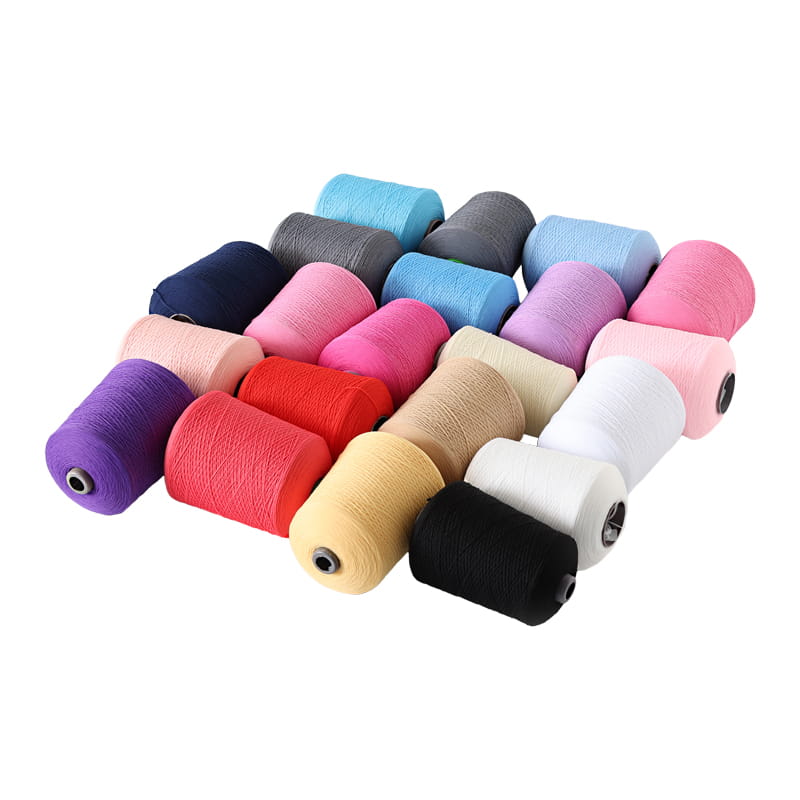
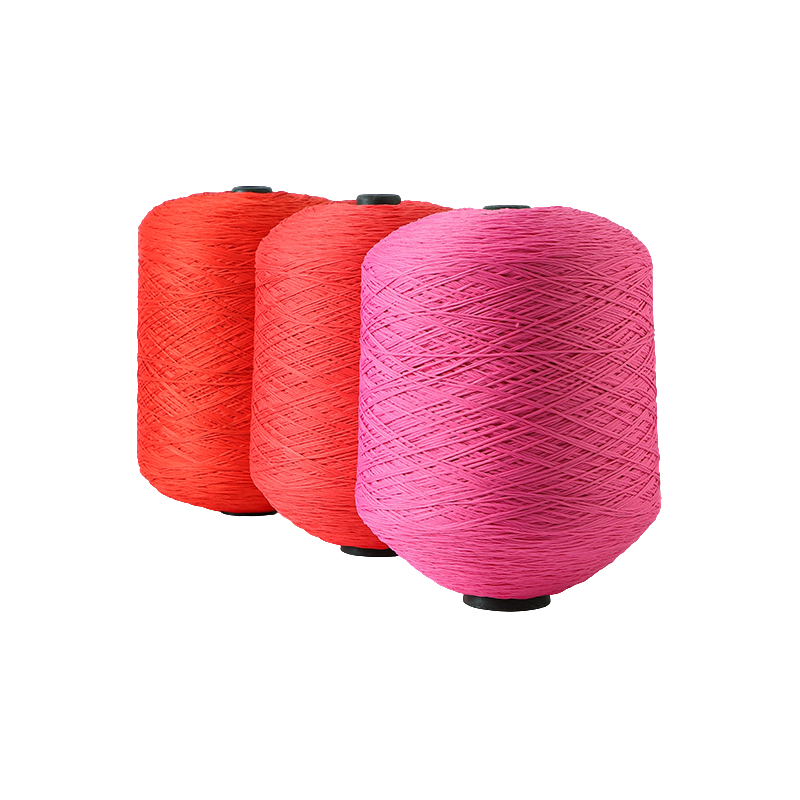
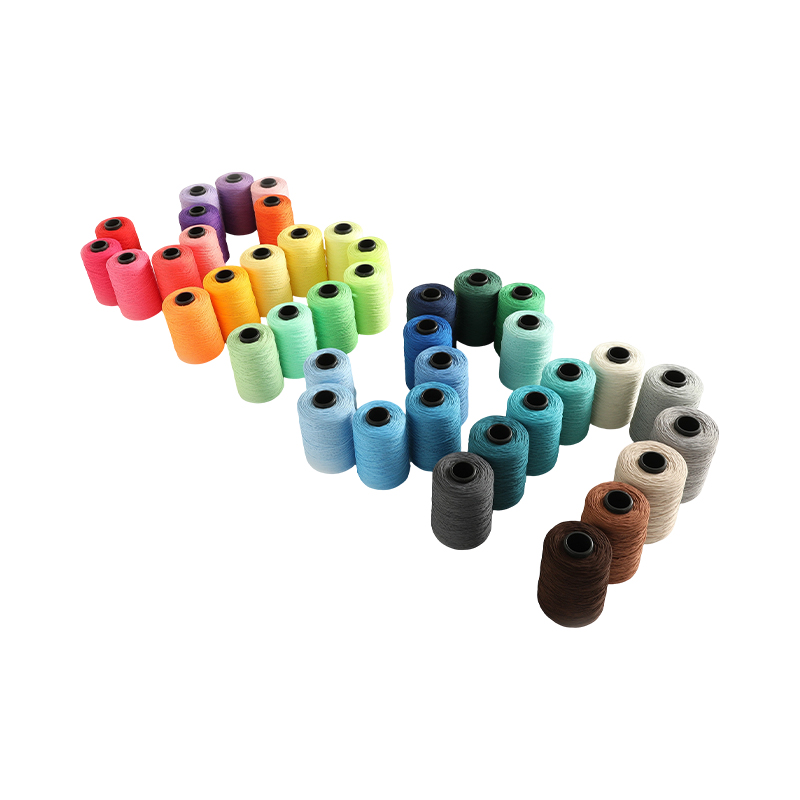
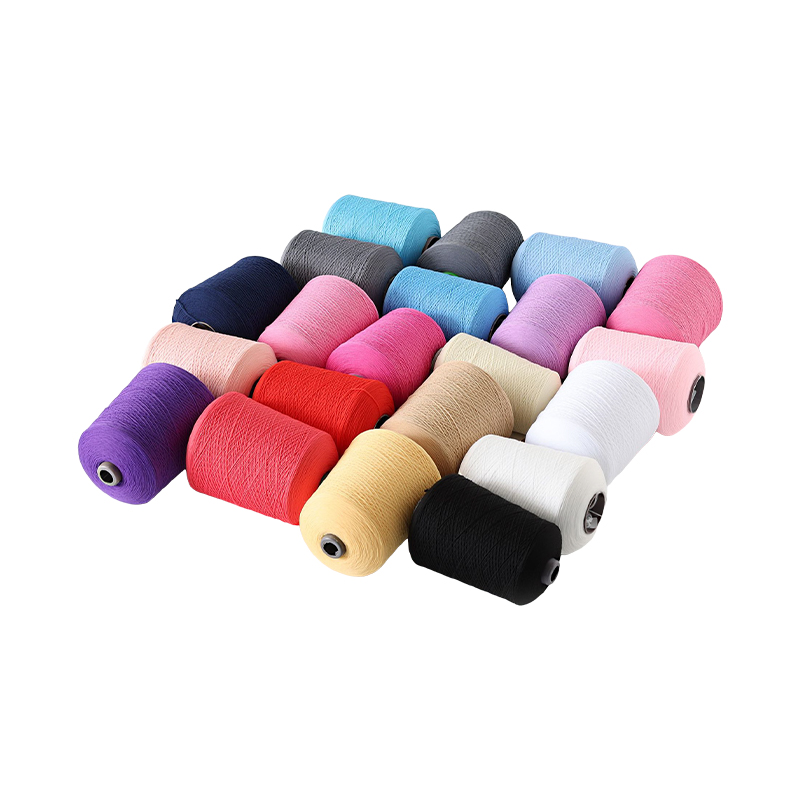
Polyester colored yarn is not simply "dyed polyester." There are two fundamentally different methods, and they produce very different results.
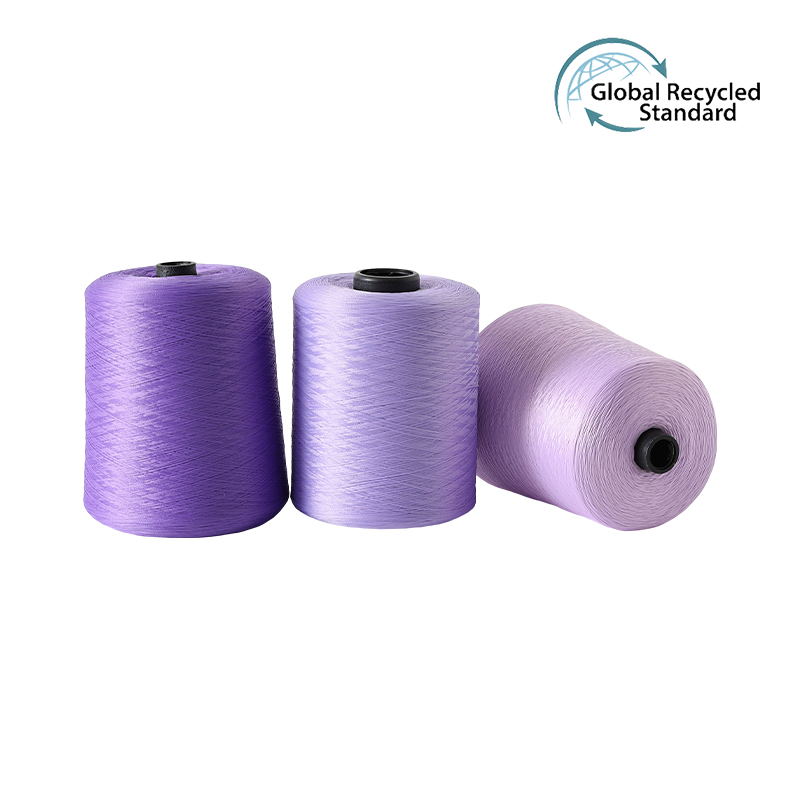
Dope-dyed (solution-dyed) yarn is colored at the melt stage — pigment is added directly to molten PET before extrusion. The color becomes part of the filament structure itself, delivering colorfastness that resists washing, UV exposure, and repeated mechanical stress. This method also eliminates the post-spinning dyebath entirely, cutting water consumption by up to 83% compared to conventional print-and-dye processes.
Post-dyed yarn goes through a separate dyeing step after spinning. It offers broader color flexibility and is suitable for lower-volume, custom orders, but colorfastness ratings are generally lower and water usage is significantly higher.
For carpet yarn, upholstery, and any product that takes repeated washing, dope-dyed polyester colored yarn is almost always the stronger technical choice. For fashion applications where trend colors change seasonally, post-dyed may still make sense.
Recycled POY: Performance Data You Can Actually Use
POY — Partially Oriented Yarn — is the intermediate feedstock most commonly drawn and textured into DTY for end-use fabric production. Recycled POY (rPOY) starts not from virgin PET chips but from post-consumer waste: used plastic bottles, polyester fiber scraps, and reclaimed textile material processed back into spinnable polymer.
The production numbers are now clear enough to cite. Recycled POY is available across a wide denier range — from 50D/36F fine yarns for lightweight knits up to 600D/288F for heavy-duty carpet and industrial textiles. Key mechanical properties compare closely to virgin grades:
- Tenacity: 2.8–4.5 g/denier (virgin POY typically 3.0–4.8 g/denier)
- Elongation at break: 120–160%, suitable for downstream draw-texturing
- Uster evenness: within ±2% denier tolerance for consistent processing
- Colorfastness (dope-dyed rPOY): Grade 4–5 wash fastness and Grade 4+ light fastness under standard testing
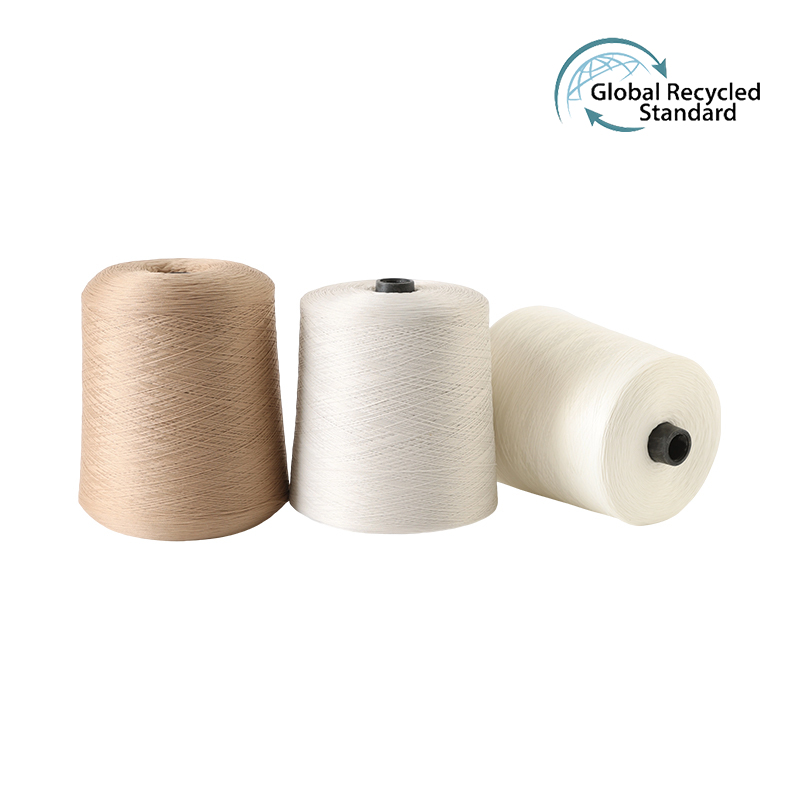
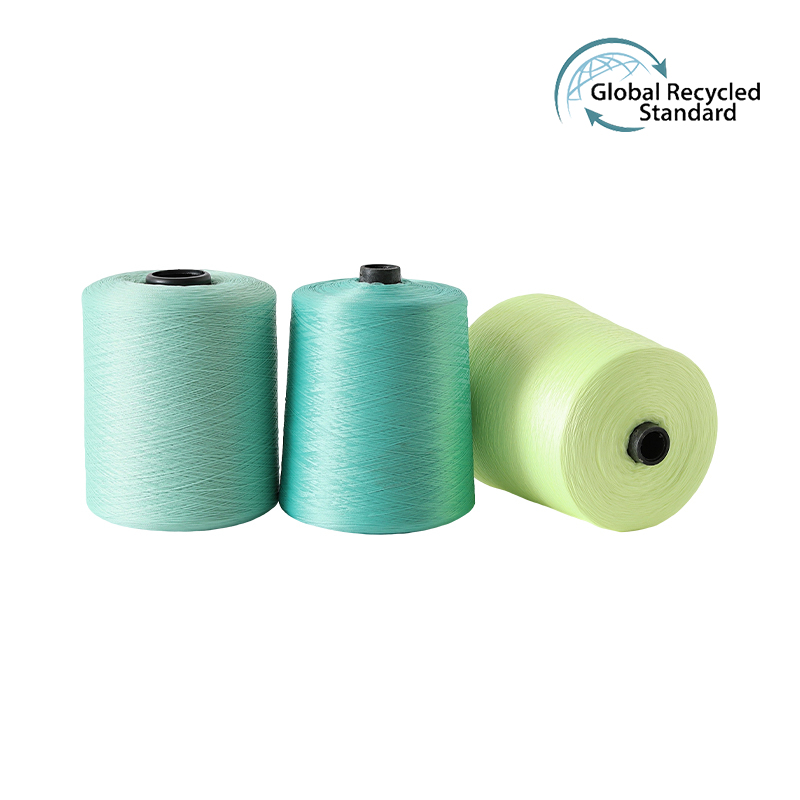
For most carpet, home textile, and sportswear applications, recycled polyester colored yarn performs on par with virgin polyester. In side-by-side production trials across lockstitch carpet and washable rug applications, quality consistency is maintained batch-to-batch when sourcing from a manufacturer with closed-loop quality control at every production stage.
Three Scenarios Where Recycled POY Is the Better Call
1. Carpet and rug manufacturing. Carpet pile demands color uniformity, abrasion resistance, and dimensional stability under repeated compression. Dope-dyed recycled POY, converted to BCF or DTY via draw-texturing, checks all three boxes. The dye-free process also protects the manufacturer from effluent treatment costs. Explore the DTY and POY yarn series purpose-built for carpet applications if this is your end-use.
2. Export-market apparel and home textiles. EU and US buyers increasingly require GRS (Global Recycled Standard) certification as a sourcing condition, not just a preference. The Global Recycled Standard administered by Textile Exchange provides third-party verified documentation of recycled content, chain of custody, and social compliance — increasingly demanded by major retail buyers. Specifying GRS-certified recycled POY makes your compliance audit significantly simpler.
3. Cost-sensitive, high-volume production. Recycled POY carries a premium over virgin commodity yarn in some markets, but that gap has narrowed as rPET feedstock supply has grown. When you factor in lower dyehouse costs (for dope-dyed variants) and avoided wastewater treatment, total production cost often comes out equal or lower — particularly for product runs exceeding 5 MT.
What to Verify Before You Place an Order
Not all recycled polyester colored yarn is equivalent. These are the five questions worth asking every supplier:
- Feedstock source: Post-consumer PET bottles vs. post-industrial fiber waste — both are "recycled," but they have different contamination profiles and certification requirements.
- Denier tolerance: Require ±2% on stated denier across lots. Inconsistent denier causes breakage on high-speed texturizing machines.
- Colorfastness test reports: Ask for ISO 105-C06 (washing) and ISO 105-B02 (light) test data for dope-dyed products, not just verbal assurances.
- GRS certification status: Request the certificate number and verify it on the Textile Exchange database. This matters for any downstream buyer making sustainability claims.
- MOQ and lead time: Standard recycled POY minimum order quantities typically start at 5 MT per specification. Custom colors or deniers may require longer lead times.
The full polyester yarn range — covering virgin and recycled variants across multiple denier specifications — gives you a practical reference point for comparing available specifications before requesting samples.
The Dope-Dyed Advantage in Numbers
For buyers still weighing dope-dyed recycled POY against conventional dyeing, the environmental delta is substantial. The dope-dyeing process eliminates the aqueous dyebath step entirely, reducing water consumption by up to 83% versus conventional disperse dyeing. Energy use in the dyehouse drops proportionally. Carbon footprint per kilogram of colored yarn is lower — a quantifiable claim that increasingly carries weight with branded end customers.
Combined with rPET feedstock, dope-dyed recycled polyester colored yarn represents the lowest-impact route to a consistent, vibrant, commercially durable yarn available in the market today.
Bottom Line
If you manufacture carpets, home textiles, or export-market apparel and need consistent color with strong technical performance, recycled POY and what it delivers in production is worth understanding in detail before your next sourcing cycle. The performance gap with virgin polyester has closed. The certification infrastructure is mature. And the cost math works — especially once dyehouse savings are included.
The question is no longer whether recycled POY can meet your spec. For most applications, it already does.