English
 عربى
عربى Türk
Türk Español

Content
What Makes Polar Fleece Different from Other Synthetic Fabrics
Polar fleece is a soft, lightweight knit fabric made primarily from polyester fibers, engineered to trap air within its structure and retain body heat without significant weight. First developed by Malden Mills in 1979 as a synthetic alternative to wool, it has since become one of the most widely used performance fabrics in outdoor apparel, workwear, and home textiles.
What separates polar fleece from general polyester knits is its brushed or napped surface on one or both sides, created through a mechanical finishing process that raises fine fibers to form an insulating pile layer. This gives the fabric its characteristic softness and warmth-to-weight ratio. Unlike wool, polar fleece does not absorb water — it wicks moisture away from the skin and dries rapidly, making it practical for high-output physical activity in cold or wet conditions.
It is also non-allergenic, machine washable, and resistant to pilling when manufactured to higher standards — advantages that have made it a default material in everything from mid-layer jackets to pet blankets.
Common Types of Polar Fleece and Their Key Differences
Not all polar fleece performs the same way. Variations in fiber construction, weight, and surface finish lead to meaningfully different end-use suitability.
| Type | Weight (GSM) | Characteristics | Typical Applications |
|---|---|---|---|
| Fleece 100 | 100–150 | Thin, breathable, fast-drying | Base layers, linings, infant wear |
| Fleece 200 | 200–250 | Balanced warmth and flexibility | Mid-layers, casual jackets, blankets |
| Fleece 300 | 300–400 | Maximum insulation, heavier hand | Outerwear, workwear, cold-climate gear |
| Anti-Pill Fleece | Varies | Treated to resist surface balling | Apparel, upholstery, promotional items |
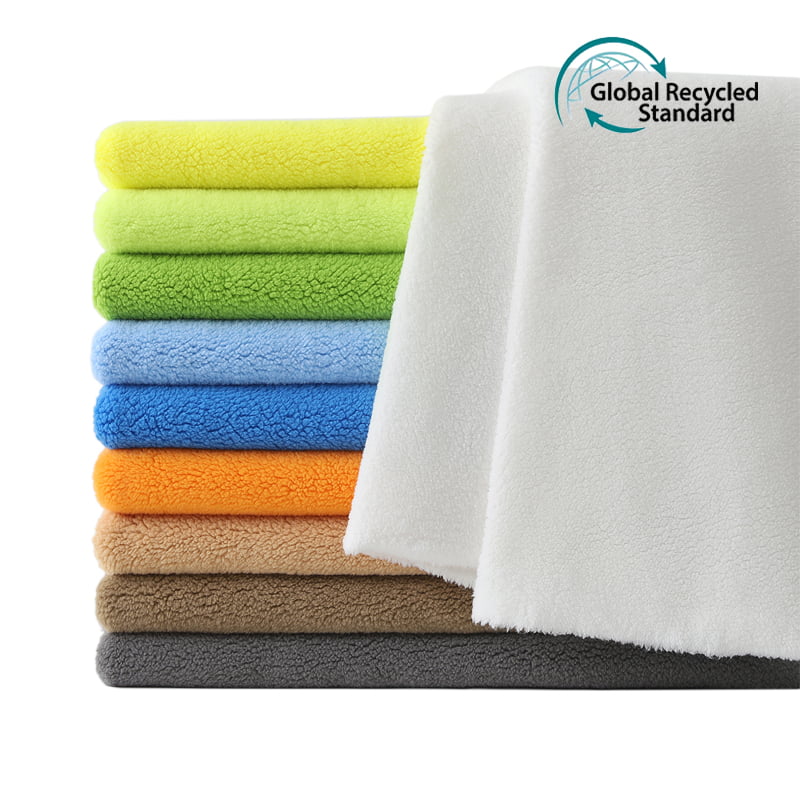
| Sherpa / Double-Face Fleece | 300–500 | Two-sided pile, premium texture | Coats, throws, fashion outerwear |
Beyond weight classification, fleece can also be distinguished by surface treatment. One-sided fleece has a smooth technical face and a brushed interior, common in athletic mid-layers. Double-sided or Sherpa fleece features pile on both faces, preferred in fashion-forward or premium bedding applications where texture and visual appeal carry more weight.
Key Performance Properties Buyers Should Evaluate
When specifying or sourcing polar fleece fabric, several technical properties determine long-term performance and end-user satisfaction:
- Pill resistance: Standard fleece pills under friction over time. Anti-pill grades use tighter knit construction or chemical treatment to reduce fiber breakage. For garments with frequent washing cycles, this is a non-negotiable specification.
- Moisture management: Quality polar fleece moves moisture laterally across the fabric surface. Look for fabrics with verified wicking performance — especially relevant for activewear and workwear worn in high-exertion environments.
- Colorfastness: Fleece dyed with reactive or disperse dyes should meet a minimum Grade 4 on the ISO 105 scale for washing and rubbing fastness. Poorly dyed fleece will bleed during the first wash, a common complaint in lower-cost products.
- Stretch and recovery: The knit base of polar fleece naturally provides four-way stretch. Recovery performance — how well the fabric returns to its original shape — varies by construction. Spandex-blended fleece offers superior shape retention but at a higher cost.
- Recycled content: A growing segment of polar fleece is manufactured from recycled PET bottles (rPET). These fabrics carry the same functional properties as virgin polyester fleece and often qualify for OEKO-TEX or GRS certifications, which is increasingly a purchasing requirement in European and North American markets.
How to Select the Right Polar Fleece for Your Product
Choosing polar fleece is not a one-size decision. The correct specification depends on the end product's function, target market, and production requirements.
For outdoor and technical apparel, prioritize lighter-weight fleece (100–200 GSM) with confirmed moisture-wicking properties and a smooth outer face that works well under a shell layer. Thermal performance matters more than aesthetics here, and anti-pill treatment is expected by most buyers.
For casual and lifestyle products — hoodies, pullovers, loungewear — a mid-weight 200 GSM anti-pill fleece in a wide color range typically meets expectations. Softness and color vibrancy are the primary purchase drivers for this segment.
For home textiles and blankets, heavier 300 GSM double-face or Sherpa fleece provides the perceived value customers expect. These applications tolerate less stretch but require high colorfastness and dimensional stability after repeated washing.
For workwear and uniform programs, durability and compliance documentation take precedence. Specify fabrics with third-party test reports covering tensile strength, abrasion resistance, and — where applicable — flame retardancy or hi-vis compatibility. rPET-based fleece is increasingly specified in corporate sustainability programs and can differentiate a product in competitive tender processes.
Regardless of application, request lab test reports and physical samples before committing to bulk production. GSM, hand feel, and colorfastness can vary significantly between suppliers even within the same nominal category.