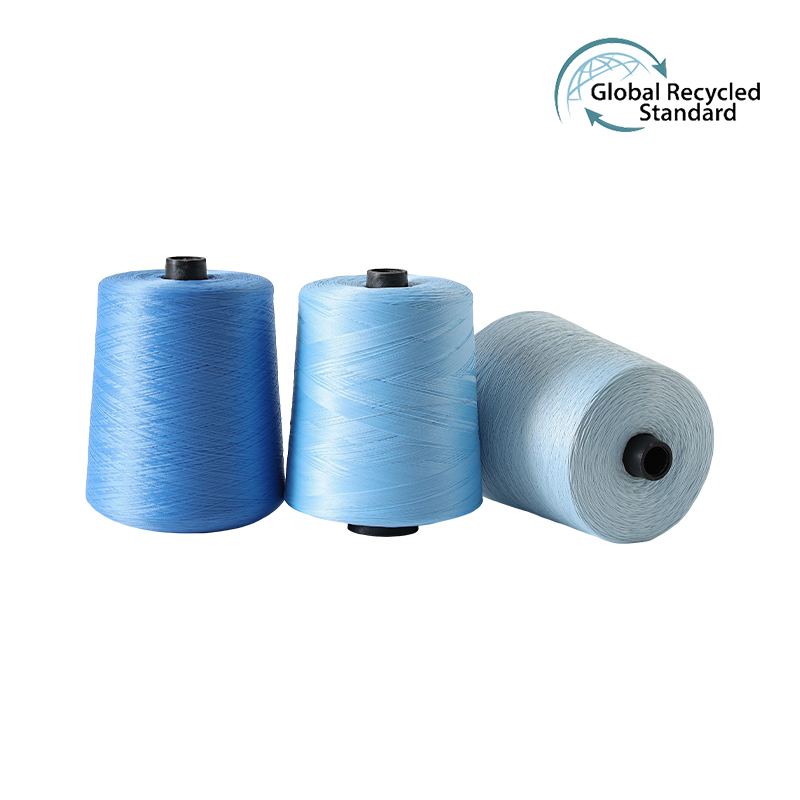
English
 عربى
عربى Türk
Türk Español

Content
What Is Recycled POY?
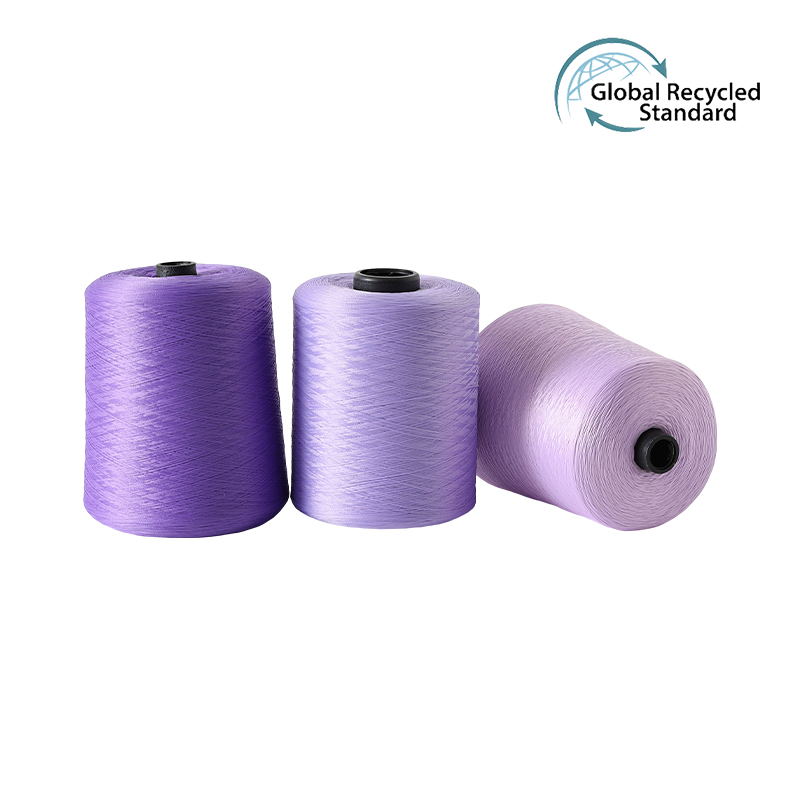
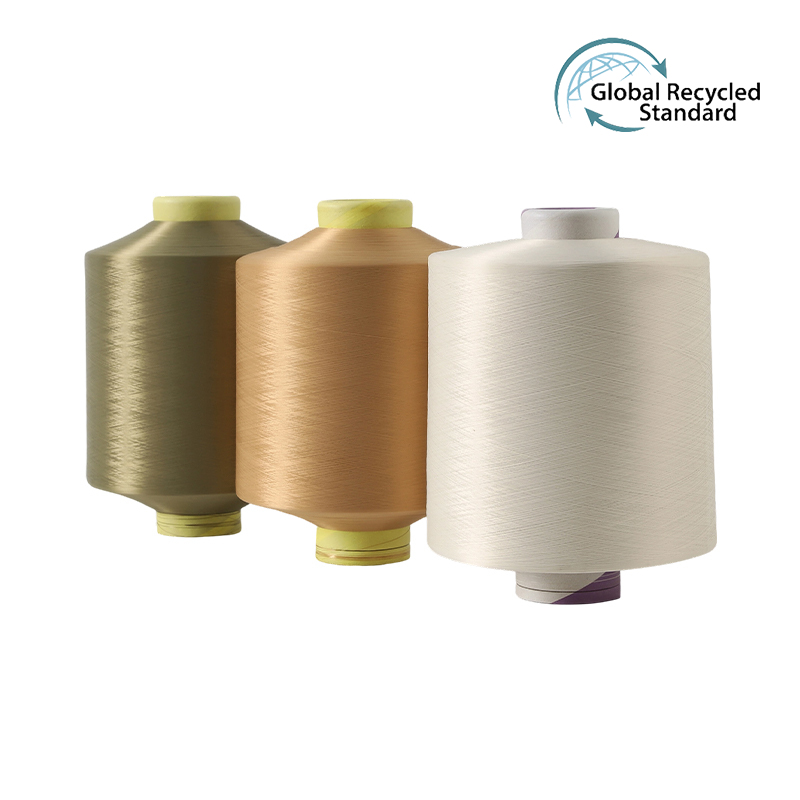
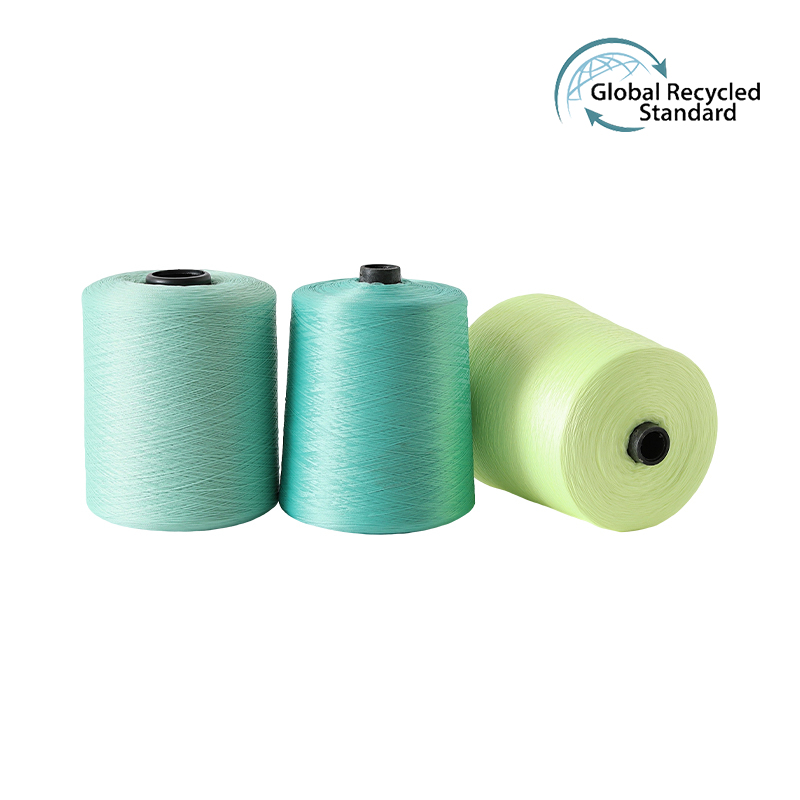
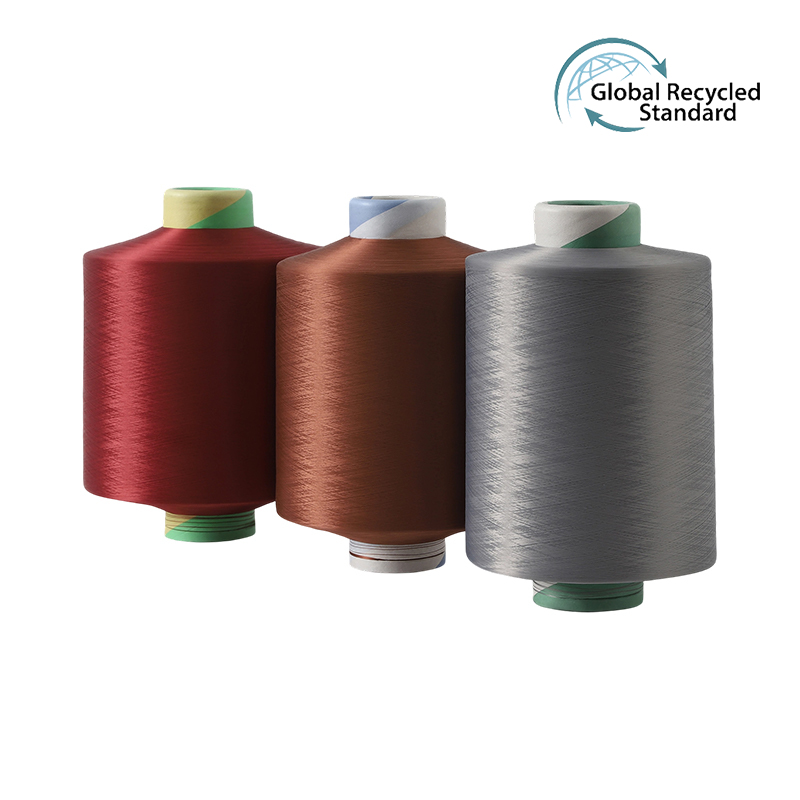
Recycled POY (Partially Oriented Yarn) is a continuous polyester filament produced from post-consumer PET bottle flakes or industrial textile waste. Through melt spinning and controlled winding, the polymer is extruded and partially stretched to lock in molecular orientation, creating a semi-crystalline structure. Unlike FDY (fully drawn yarn), POY is not designed for direct fabric use—it serves as the critical intermediate for texturing into DTY (draw‑textured yarn) or for further drawing in subsequent processes. The result is a yarn that retains the core mechanical properties of virgin polyester while cutting upstream carbon emissions by roughly 60–70%.
The manufacturing route mirrors that of virgin POY: flakes are dried, melted, filtered, and spun through spinnerets, then air‑quenched and collected on high‑speed winders. The moment the filaments solidify, the degree of orientation, crystallinity, and internal stresses define the yarn’s ability to be false‑twist textured later. What Is Recycled POY offers a closer look at each stage and its influence on downstream quality.
Recycled POY Core Performance Parameters
Buyers evaluating recycled POY specimens should measure five physical characteristics against standard reference values. When properly processed, recycled POY consistently meets the thresholds that downstream texturing and weaving demand:
- Tenacity ≥ 2.5 cN/dtex: Sufficient for high‑speed DTY production and standard circular knitting; below this, texturing breaks increase.
- Elongation at break 120–150 %: The range that allows efficient draw texturing without excessive filament breakage.
- Hot‑air shrinkage ≤ 7 % (180 °C, 30 s): Higher shrinkage leads to dimensional instability in heat‑set fabrics; recycled lots can match virgin consistency if drawn correctly.
- Yarn evenness (Uster CV% < 2.0): The most sensitive quality indicator—recycled feedstock variability requires extra filtration and consistent chip viscosity.
- Oil pick‑up 0.6–0.9 %: Controls friction during texturing; too low can cause broken filaments, too high leads to lapping on rollers.
A recent industry overview of Recycled POY Performance Insights confirms that multi‑stage filtration and precise metering can deliver Uster values within 0.5% of virgin‑grade POY.
Main Application Areas of Recycled POY
Recycled POY primarily enters three market segments, each with distinct technical requirements:
- DTY feedstock for apparel and sportswear: Textured to make recycled DTY, it yields stretch and bulk for performance wear, leggings, fleece, and outerwear. Recycled DTY Yarn from Recycled POY
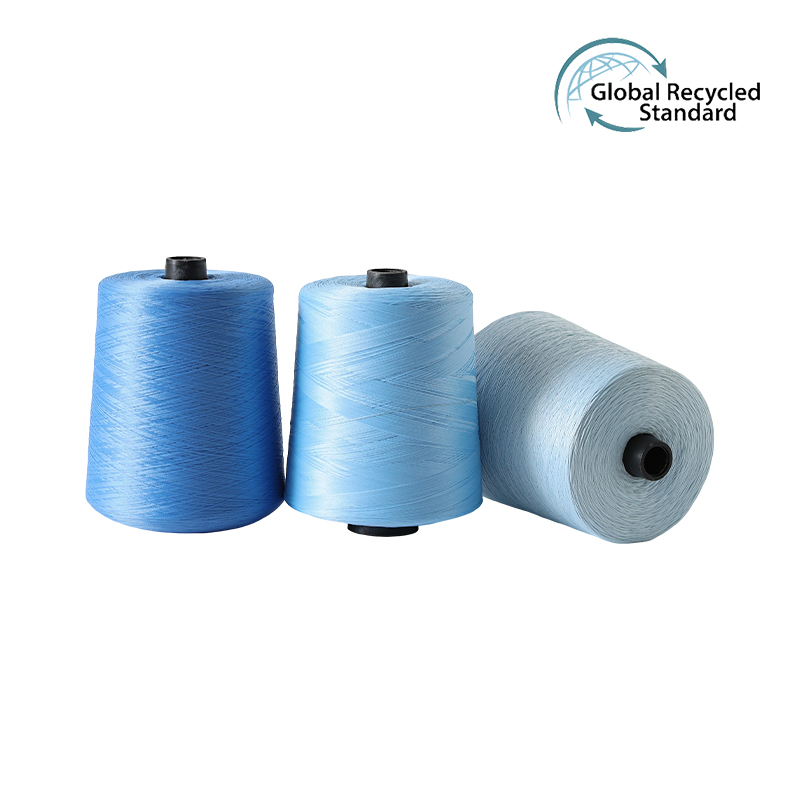 Recycled DTY Manufacturers, Factory - Suzhou Tongdeli New Material Technology CoTongdeli is China Recycled DTY Manufacturers and Wholesale Factory, Custom Recycled DTY for sale, Defective products, waste silk, and scr...View Product → illustrates the typical downstream conversion process.
 - Home textiles: Used in carpet yarn (overlock threads, cut‑pile carpets) and upholstery fabrics where sustainability certifications add commercial value. Recycled POY in Sportswear demonstrates the performance required under repeated wash and wear cycles.
- Technical textiles and packaging: Narrow woven tapes, webbing, and industrial sewing threads leverage the high strength‑to‑weight ratio and UV resistance inherent to polyester.
The global surge in demand for GRS‑certified polyester ensures that any mill adopting recycled POY can access brand programs that require verified recycled content.
Recycled POY vs Virgin POY: Key Differences
Manufacturers and brands often ask whether recycled POY sacrifices mechanical quality for sustainability. Controlled trials show that when pellet quality is maintained, the strength and elongation profiles are indistinguishable for most non‑apparel technical applications. However, two operational differences require attention:
| Parameter | Recycled POY | Virgin POY |
|---|---|---|
| Tenacity (cN/dtex) | 2.5–2.8 | 2.5–3.0 |
| Elongation (%) | 120–150 | 120–160 |
| Hot‑air shrinkage (%) | ≤7 | ≤6 |
| Carbon footprint | 60–70 % lower | Baseline |
| Batch‑to‑batch color | Slightly wider variation | Tightly controlled |
The key gap lies in batch‑to‑batch color consistency: recycled feedstocks can introduce trace hue shifts that require tighter quality control during pelletizing and spinning. Leading suppliers address this with inline spectrophotometers and masterbatch dosing. Overall, the mechanical properties are comparable, and the 60–70% carbon reduction makes recycled POY the environmentally and commercially logical replacement for most standard DTY applications.
Sourcing Tips for Recycled POY
Procurement teams should base purchase decisions on a combination of certifications, real‑world sample evaluations, and supplier transparency. Request the following before committing to a bulk order:
- Valid GRS (Global Recycled Standard) scope certificate and corresponding Transaction Certificate (TC) for the shipment.
- Test report for denier, tenacity, elongation, Uster CV%, and hot‑air shrinkage, ideally from an ISO‑17025 accredited lab.
- Physical sample cones for knitting or texturing trials, with documentation of the machine settings used.
- Supplier’s filtration map and melt purity data, especially if the yarn will be dyed in pastel shades.
How to Evaluate Recycled POY Quality
Begin with visual checks: the yarn should appear uniform in luster and diameter, with no visible thick‑thin spots or broken filaments on the cone. Pull a one‑meter strand gently—a crisp snap with short elongation signals over‑drying or excessive orientation, while a sluggish, high‑stretch sample may indicate insufficient orientation. In a lab setting, the following minimum performance should be verified:
- Tenacity retained after texturing should be ≥ 85 % of the POY value.
- Residual torque in textured yarn must not exceed 60 turns per meter.
- Color difference ∆E on standard dope‑dyed chips ≤ 1.0 under D65 light.
Once these criteria are satisfied, the recycled POY will perform reliably across knitting, weaving, and carpet manufacturing setups. Snsn Recycled POY Product Details provides a practical specifications sheet that matches the parameters discussed above.
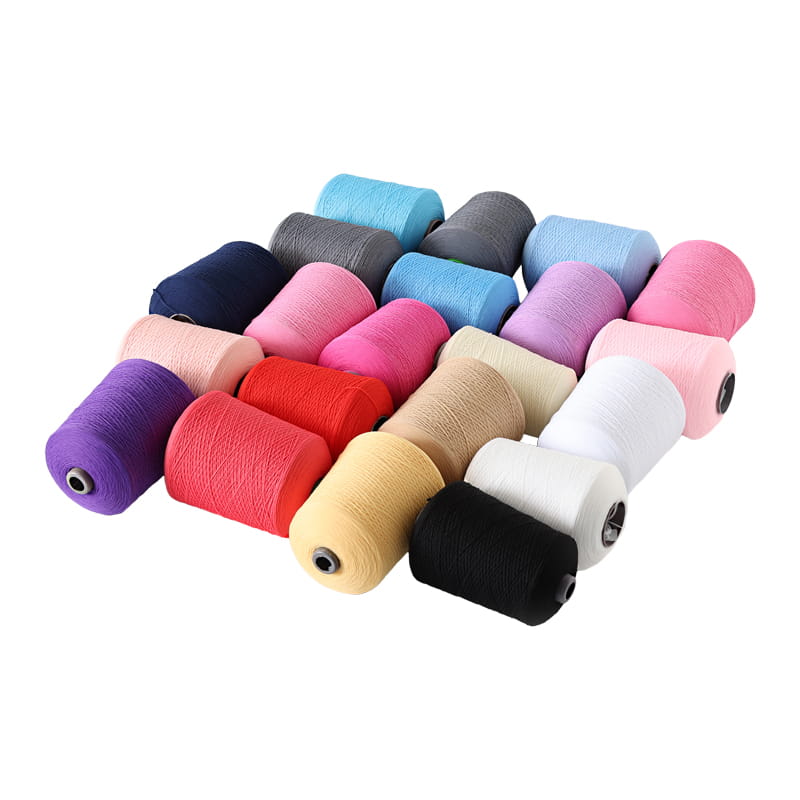
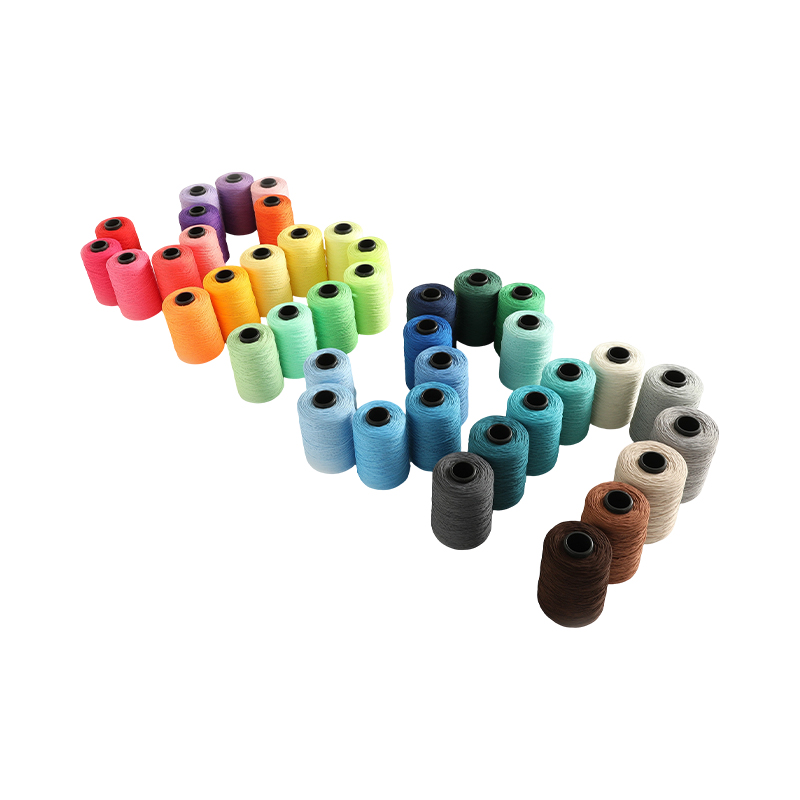
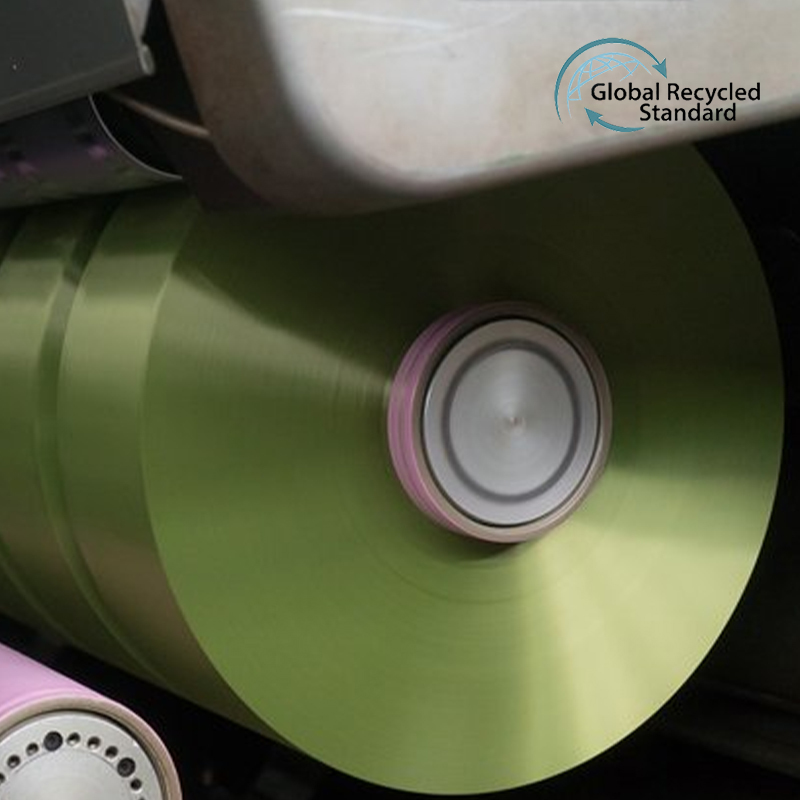 Recycled POY Yarn Manufacturers,Recycled Polyester Colored Yarn FactorySuzhou Tongdeli New Material Technology Co., Ltd. is China Custom Recycled POY Yarn Suppliers,and Polyester-Colored Yarn Manufacturers, o...View Product →