English
 عربى
 Türk
 Español

Content
- 1 What Berry compliant actually means
- 2 Which purchases fall under the Berry Amendment
- 3 The 100 percent domestic content rule
- 4 Exceptions exist, but only the government can invoke them
- 5 Berry Amendment, Buy American and TAA compared
- 6 What to request from a supplier before you quote
- 7 Where imported yarn and fabric genuinely fit
- 8 Frequently asked questions about Berry compliance
Berry compliant means every fiber, yarn, fabric and component of a covered item was grown, reprocessed, reused or produced in the United States, because the buyer is the U.S. Department of Defense. It is a country-of-origin rule, not a quality grade, and that distinction changes how you source yarn.
Most confusion starts with the word compliant. A mill can sew a flawless jacket, hit every tensile and colorfastness number on the tech pack, and still be unable to sell it into a military program, because the polyester filament inside came from outside the United States. The reverse also happens: a heavier, plainer fabric qualifies because every stage of its production ran on American soil.
Compliance is decided by documentation, not by fabric hand. A contracting officer accepts a domestic origin claim only when the paper trail reaches back to the fiber.
What Berry compliant actually means
Berry compliant describes a product that satisfies the Berry Amendment, a domestic sourcing restriction applied to specific items purchased by the U.S. Department of Defense.
The rule sits in 10 U.S.C. 4862, cited for years as 10 U.S.C. 2533a, and it reaches suppliers through the Defense Federal Acquisition Regulation Supplement. Contracting officers apply it under DFARS 225.7002, and the obligation flows down to subcontractors through clause DFARS 252.225-7012.
It dates to 1941, when a domestic-preference rider was attached to a military appropriations act. It carries the name of Ellis Yarnal Berry, the South Dakota congressman who pressed for its retention in the 1950s. The policy logic has not moved: defense money should stay inside the domestic industrial base, and a domestic supply chain is treated as a readiness asset. The purchasing side of the question is covered in this guide to what Berry compliance requires from textile suppliers.
Two questions decide every case. Is the item on the covered list? Was each component produced domestically? A yes to the first and a no to the second is a fail, whatever the marketing says.
Berry compliant: the fibers, yarns, fabrics and components of a covered item were all grown, reprocessed, reused or produced within the United States.
1941First domestic-preference rider attached to a military appropriations act
100%Domestic fiber, yarn, fabric and assembly for covered items
1Flow-down clause suppliers must sign: DFARS 252.225-7012
0Foreign input tolerated without a formal exception
Which purchases fall under the Berry Amendment
The amendment covers a fixed list of items, and textiles sit at its center. If a purchase is not on the list, the restriction does not apply, even when the buyer is the DoD.
| Category | What it covers | Where buyers meet it |
| Clothing and equipment | Uniforms, combat clothing, tents, tarpaulins, covers | Any sewn item a service member wears or carries |
| Fabrics | Woven and knitted fabrics of any fiber | Origin of the greige and of the finish both count |
| Fibers and yarns | Cotton, wool, synthetic filament, spun yarn | The step most often missed in a supply chain audit |
| Footwear | Boots and dress shoes | Upper and sole sourcing are examined together |
| Hand and measuring tools | Tools with a hand-held edge or mechanism | Rarely a textile issue but frequently quoted |
| Stainless steel flatware | Cutlery for dining facilities | Mess hall and garrison purchasing |
| Food | Most food items, with separate treatment for fish and seafood | Fish, shellfish and seafood follow a different test |
| Specialty metals | Titanium, zirconium and specified alloys | Hardware and aerospace, not apparel |
Note the asymmetry. The list governs what the DoD buys, not what a manufacturer sells. The same loop pile carpet that is restricted in a barracks contract can be sold commercially with no Berry paperwork at all.
The 100 percent domestic content rule
Every production stage must happen in the United States: fiber formation, spinning or texturing, fabric formation, dyeing and finishing, and cut-and-sew.
There is no percentage allowance. The Berry Amendment does not behave like a domestic content threshold that tolerates a slice of foreign input. One imported component inside a covered item makes the whole item noncompliant unless an exception has been granted in writing.
The stage buyers miss most often is yarn. A knitter that imports polyester filament and knits it in North Carolina produces a fabric that is not Berry compliant, even though the knitting, dyeing and finishing all happened domestically.
Domestic and compliant
- Filament extruded at a US fiber plant
- Texturing and twisting performed in the US
- Knitting or weaving on US equipment
- Dyeing and finishing at a US mill
- Cut-and-sew inside the US
Looks domestic, still fails
- Imported filament textured on US machines
- US-woven fabric made from imported yarn
- Imported greige cloth finished domestically
- Imported zippers, webbing or trim in a US-sewn item
- US assembly with a foreign textile component
Exceptions exist, but only the government can invoke them
Exceptions are listed in DFARS 225.7002-2 and they are narrow. The most common is a domestic nonavailability determination, which requires a formal finding that the item or component cannot be procured domestically in the required form, quantity or quality.
- Domestic nonavailability: a formal determination tied to one acquisition, never a standing waiver.
- National security: when domestic sourcing would compromise an operational requirement.
- Emergency and contingency operations: temporary and documented case by case.
- Resale: items purchased for commissaries and military exchanges.
- Small purchases: certain acquisitions below the simplified acquisition threshold.
A supplier cannot declare itself exempt. If a buyer claims an exception, ask for the determination in writing and the name of the contracting officer who signed it.
Berry Amendment, Buy American and TAA compared
The three rules sound alike and behave very differently. Only the Berry Amendment requires a fully domestic supply chain.
| Rule | Who it binds | Origin test | Foreign content |
| Buy American Act | Federal agencies buying domestic end products | Domestic end product plus a domestic content threshold rising toward 75 percent | Permitted below the threshold |
| Trade Agreements Act | Acquisitions covered by trade agreements | Country of origin must be a designated country | Permitted when sourced from a designated country |
| Berry Amendment | DoD purchases of listed items | 100 percent domestic fiber, yarn, fabric and assembly | Not permitted without a formal exception |
A product can be TAA compliant and fail Berry compliance in the same week. That gap catches exporters who assume a US address on the invoice settles the question.
What to request from a supplier before you quote
Documentation has to reach the fiber, not the warehouse.
- Country of origin per component. Request a line-by-line breakdown instead of a single origin field on a form.
- Fiber-level proof. A spinner certificate or texturing record shows where the filament or staple was actually made.
- A signed origin affidavit. It should reference DFARS 252.225-7012 so the obligation visibly flows down the chain.
- Mill verification. Visit or audit. A trading company cannot document what the mill never produced.
- Records retention. Keep the trail for the contract period plus the audit window, not just until the shipment clears.
If a supplier answers with a brochure instead of a document, treat the answer as a no.
Where imported yarn and fabric genuinely fit
Imported polyester yarn, overlock thread and carpet fabric belong in commercial programs, where the buyer is a brand, converter or retailer rather than the DoD. They cannot be moved into a Berry-covered contract without a written exception.
On the commercial side the buying criteria are spec-driven: denier and filament consistency, tenacity, shrinkage, colorfastness and lot-to-lot variation. A 75D/72F moisture-wicking DTY with stable texturing decides comfort and hand feel regardless of where it was extruded.
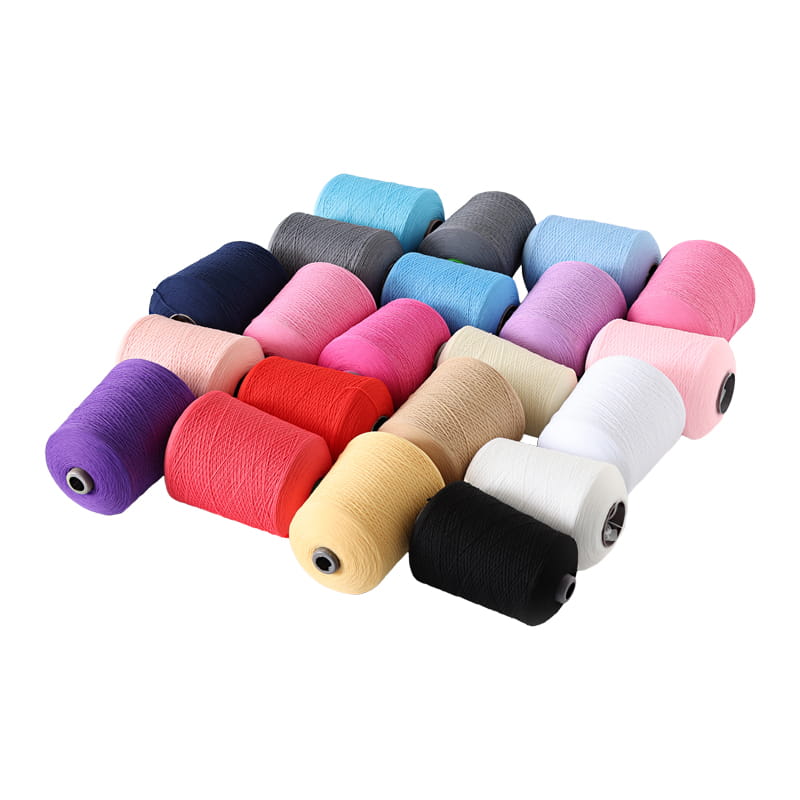
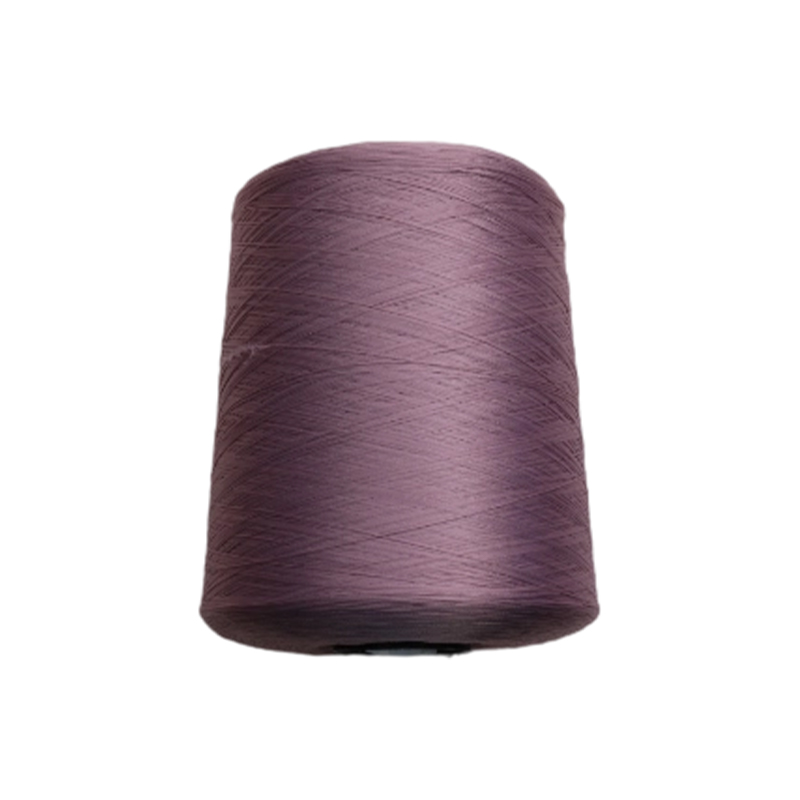 75D/72F Moisture-Wicking DTY Polyester Yarn for ActivewearA spec-driven 75D/72F DTY for sportswear and outerwear, offering stretch, strength, moisture-wicking performance and smooth surface for activewear fabrics.View Product →
Edge finishing follows the same logic. Towel and carpet producers specify high-elastic overlock yarn because seam strength and edge stability decide whether a product survives industrial washing and drying cycles.
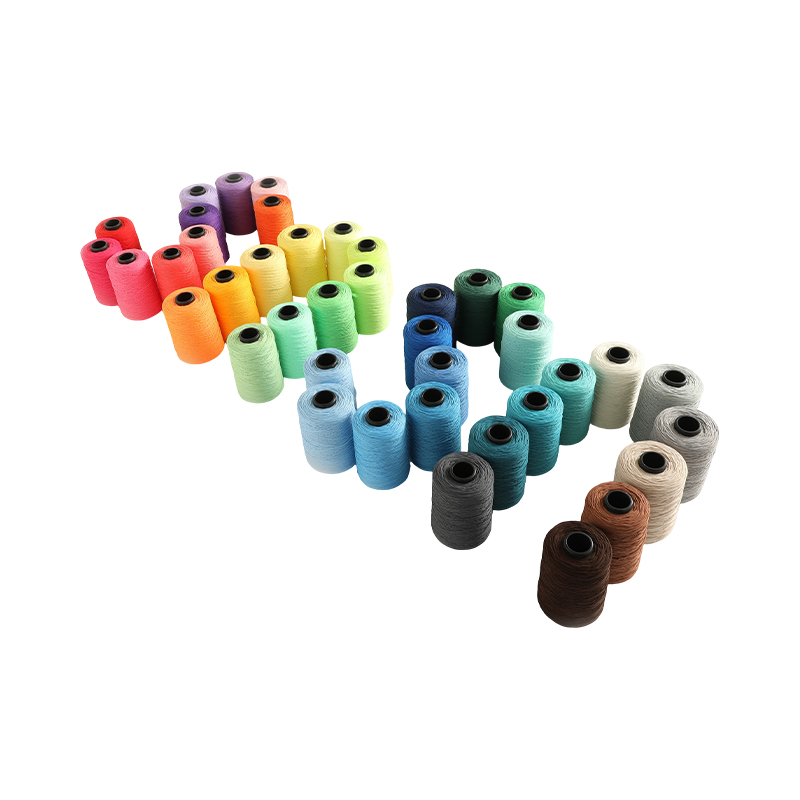
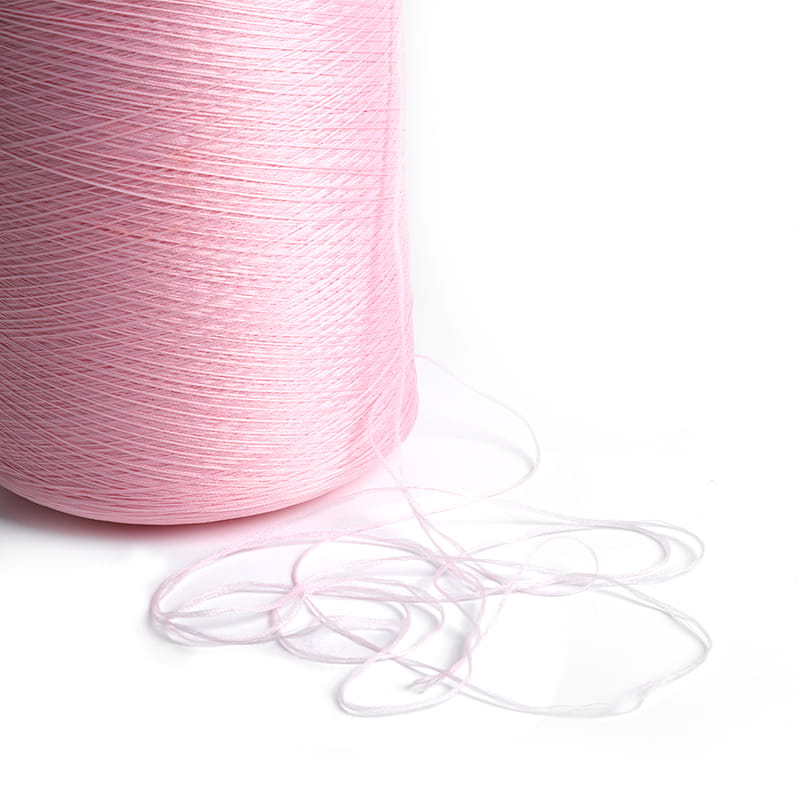 High-Elastic Polyester Overlock Sewing Yarn for Towel EdgesHigh-elastic overlock yarn for towel seam strength and edge stability through industrial washing, suitable for manual and automatic overlocking with non-dyed color spinning.View Product →
Floor coverings are a third case. Loop pile construction, UV stability and pile density matter more to a commercial specifier than an origin statement the program never asked for.
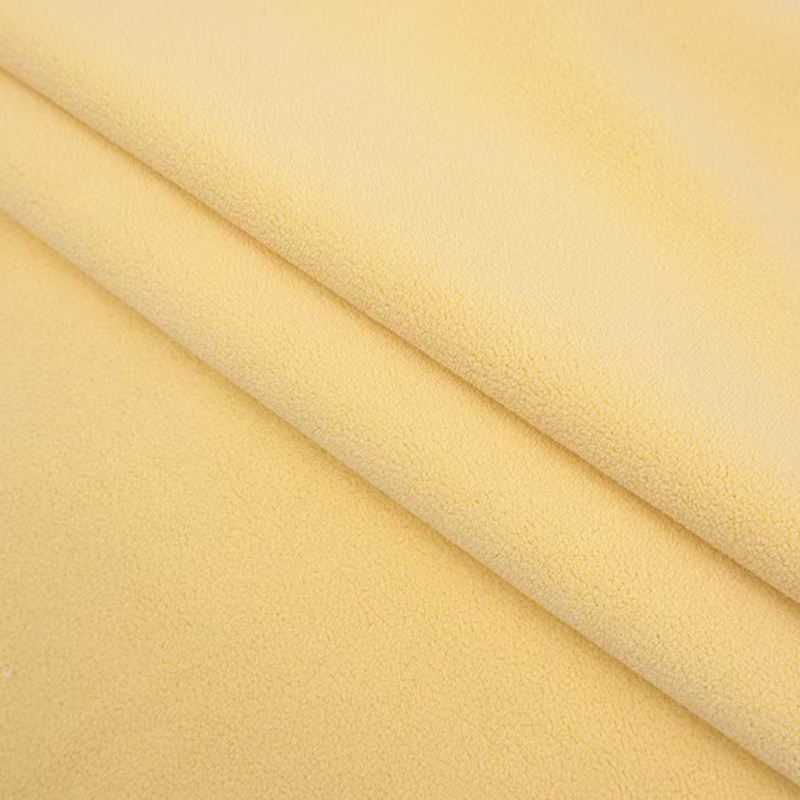
 Polyester Loop Pile Carpet Fabric for High-Traffic Commercial SpacesLoop pile carpet with 0.8 cm uniform loops, wear resistance and UV resistance, suited to offices and conference spaces where pile construction and density matter.View Product →
One precaution matters for anyone selling into mixed supply chains. If a commercial program could later be pulled into a defense subcontract, confirm fiber origin before sampling, not after. Re-sourcing a yarn mid-qualification usually means a full re-test cycle, and few textile programs absorb that delay well. Buyers who want spec sheets, MOQs and lead times before committing can open a direct line through the contact page.
Frequently asked questions about Berry compliance
Is Berry compliant the same as Made in USA?
No. Made in USA is a labeling claim about where a product was manufactured. Berry compliance is narrower and stricter: it applies only to listed items bought by the DoD, and it requires the fiber and every component to originate domestically, not just the final assembly.
Does Berry compliance apply to commercial textile sales?
No. A commercial buyer is not bound by the amendment. It becomes relevant only when a product enters a DoD contract or a subcontract that flows DFARS 252.225-7012 down the chain.
Can a US-assembled product with imported fabric be Berry compliant?
Not for a covered item. Assembly is one stage of several. Imported fabric breaks the domestic chain unless a formal exception such as a domestic nonavailability determination has been granted for that specific acquisition.
How is compliance verified in practice?
Through the contracting officer's review of origin documentation and the flow-down clause. Suppliers provide per-component origin affidavits, fiber records and mill evidence, and retain them for the audit period rather than only for the shipment.