English
 عربى
عربى Türk
Türk Español

Content
Berry compliant means a product has been manufactured in full compliance with the Berry Amendment, a U.S. federal law that requires the Department of Defense (DoD) to buy certain items exclusively from American producers. The rule applies to textiles, clothing, footwear, fabrics, and related materials used in military contracts. In plain terms, a Berry-compliant item must be grown, produced, manufactured, and processed entirely within the United States — not merely assembled or labeled there.
This article explains the definition, the legal background, the specific requirements, and how Berry compliance affects procurement decisions. It also compares the performance demands of military textiles with those of commercial industrial yarns, so you know what to look for when sourcing materials for demanding applications.
What Is the Berry Amendment?
The Berry Amendment originated in 1941 as a wartime supply-chain protection measure. It is codified at 10 U.S.C. § 2533a and continues to govern DoD procurement today. The law’s core purpose is to preserve a domestic industrial base for critical items, ensuring that the U.S. military does not depend on foreign sources for essentials like clothing and textiles.
Congress periodically updates the coverage. The items currently subject to the Berry Amendment include, but are not limited to:
- Textiles and textile products
- Clothing and clothing accessories
- Footwear
- Tents, tarpaulins, and protective covers
- Military uniforms and individual equipment
The law also covers certain food items and specialty metals, but in this article the focus is on textile categories.
What Does Berry Compliant Mean in Practice?
To be Berry compliant, every stage of production must occur on U.S. soil. That includes raw material cultivation or extraction, fiber spinning, yarn formation, fabric construction, dyeing, finishing, cutting, and sewing. A product assembled in the U.S. from imported fabric does not qualify, nor does fabric woven in the U.S. from imported yarn. The entire supply chain must be domestic.
This is stricter than the Federal Trade Commission’s general “Made in USA” standard, which may allow a small percentage of imported components. Under the Berry Amendment, there is no tolerance for foreign content — even a single imported button can disqualify a military garment.
For example, a polyester fabric used in a military sleeping bag must trace its polymer chips, filament extrusion, draw texturing, knitting or weaving, dyeing, and final finishing to U.S. facilities. If any single step occurs abroad, the final product is not Berry compliant.
This strict “domestic end-to-end” rule has two immediate consequences:
- Traceability becomes essential. Suppliers must document the origin of every component, including obscure auxiliary materials like sewing thread and elastic.
- Verification is part of the contract. DoD buyers and prime contractors require certificates of compliance, third-party audits, and often physical labels that say “Berry compliant.”
Why the Berry Amendment Matters
The law exists to protect national security by keeping critical manufacturing capacity available in the U.S. Proponents argue that during a conflict or global crisis, a nation cannot depend on foreign factories for uniforms, tents, or parachute fabrics. The Berry Amendment also supports American jobs and technical expertise.
For suppliers, missing the mark can be costly. A company that sells a non-compliant item to a military customer risks contract termination, financial penalties, and loss of eligibility for future bids. For procurement professionals, understanding Berry compliance is not optional — it is a legal requirement.
Even if you do not sell directly to the DoD, the concept can affect you. Many federal contractors and prime manufacturers only source from suppliers who can prove domestic manufacture. If your company sells yarn, fabric, or finished textile goods and hopes to participate in military supply chains, Berry compliance may become a practical door opener. On the other hand, if you serve commercial or industrial markets, the performance standards that military textiles must meet often influence the quality expectations for high-end industrial yarns. For more insight into how polyester yarn is specified in demanding applications, see our practical guide to polyester yarn properties and applications.
How to Verify Berry Compliance
Verification goes beyond reading a label. A robust evaluation should include:
- Contract clause review: Check the acquisition document for the DFARS clause 252.225-7012, which implements the Berry Amendment for textiles.
- Supply chain documentation: Request mill certificates, country-of-origin certificates, and declarations from every subcontractor.
- Physical inspection: Examine labels and tags. Berry-compliant products often carry a specific compliant label, but labels can be counterfeited, so do not rely on them alone.
- Third-party audit: Independent audits of the manufacturing site can confirm that all processing steps took place in the U.S.
- NSN data: For military items, the National Stock Number (NSN) may indicate compliant status, but it is not a guarantee.
Remember that compliance is evaluated per product, not per company. A manufacturer can produce both compliant and non-compliant lines, so you must verify each specific item.
Berry Compliant vs. Commercial-Grade Textile Performance
Military textile specifications are demanding. The Berry Amendment ensures that those high standards are met by domestic manufacturers, but the physical properties that make military textiles durable — tensile strength, tear resistance, abrasion resistance, dimensional stability, and colorfastness — are equally relevant in many commercial products. Industrial carpets, luggage fabrics, sports equipment, and workwear all require yarns that can survive heavy use and frequent cleaning.
Consider a polyester yarn with high tenacity. It can resist breaking under repeated stress, which is why it is used in parachutes and load-bearing webbing. In the commercial world, the same yarn is used for conveyor belts, seat belts, ropes, and heavy-duty carpeting. A Berry-compliant version must come from a U.S. mill, but the underlying fiber technology is available globally.
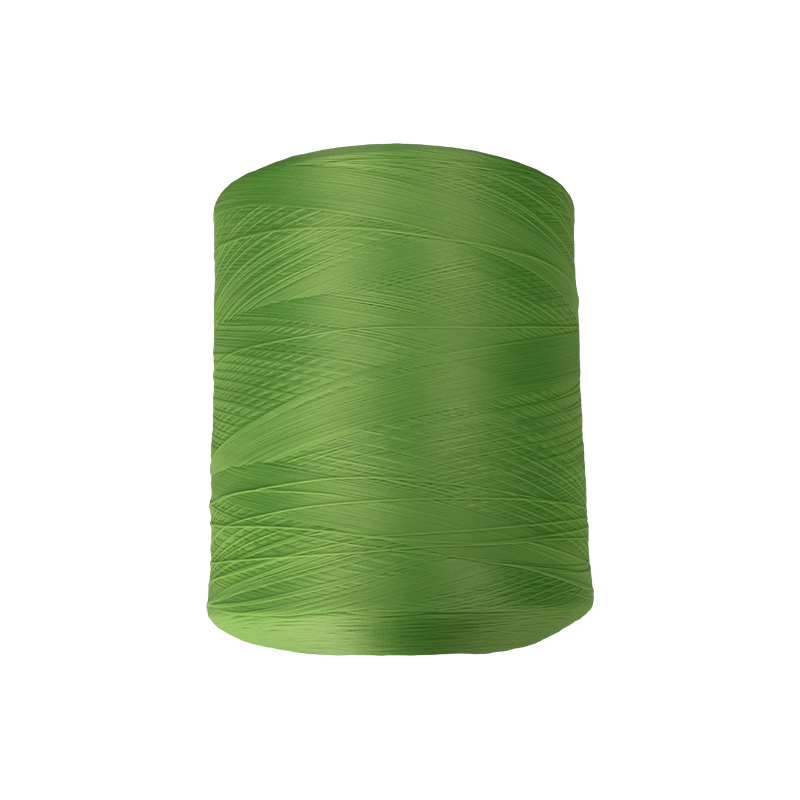 300D/122F High Tenacity Polyester DTY Yarn for Heavy-Duty TextilesThis coarse-denier polyester yarn offers strong tensile resistance and dimensional stability, making it suitable for outdoor gear, conveyor belts, and industrial filtration where mechanical durability is essential.View Product →
For example, our 300D/122F high-strength tensile polyester yarn is designed for applications that need robust mechanical performance. It offers good tensile strength and dimensional stability, making it suitable for industrial textiles, edge-locking threads, and other heavy-duty uses. While this yarn is not Berry compliant because it is manufactured in China, it demonstrates the same kind of physical performance that military-grade yarns must achieve.
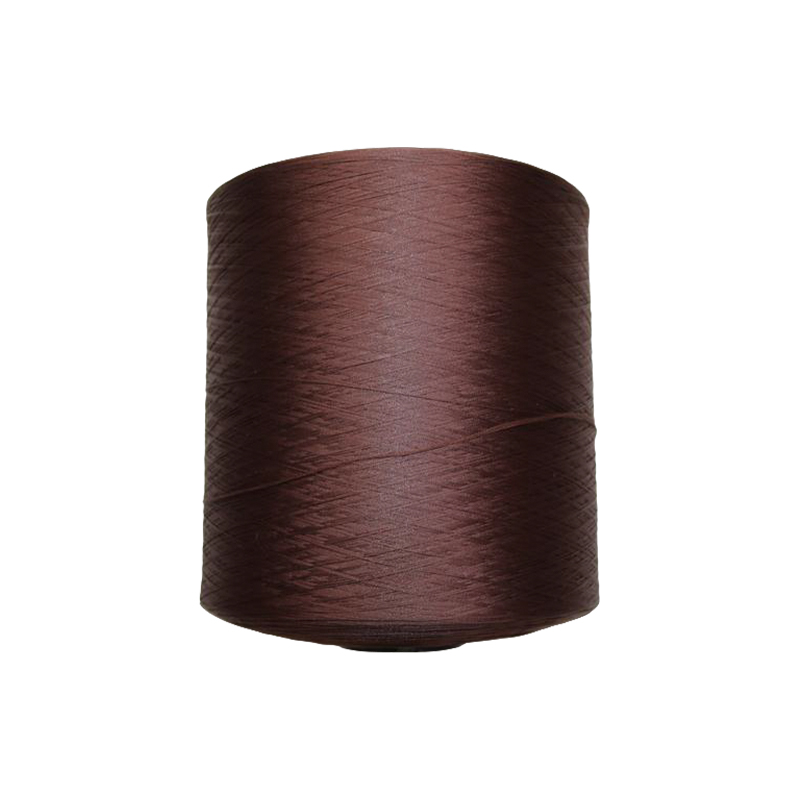 450D/192F High Strength and Toughness Polyester POY YarnBuilt for heavy loads and repeated wear, this yarn provides extra toughness for straps, webbing, canvas, tire cord, and conveyor belts, maintaining stable performance in demanding environments.View Product →
If you need even more toughness, the 450D/192F high-strength and toughness yarn provides an extra margin of durability for straps, webbing, and technical fabrics. It is engineered to handle repeated loading without failure, a trait that military engineers look for when qualifying materials.
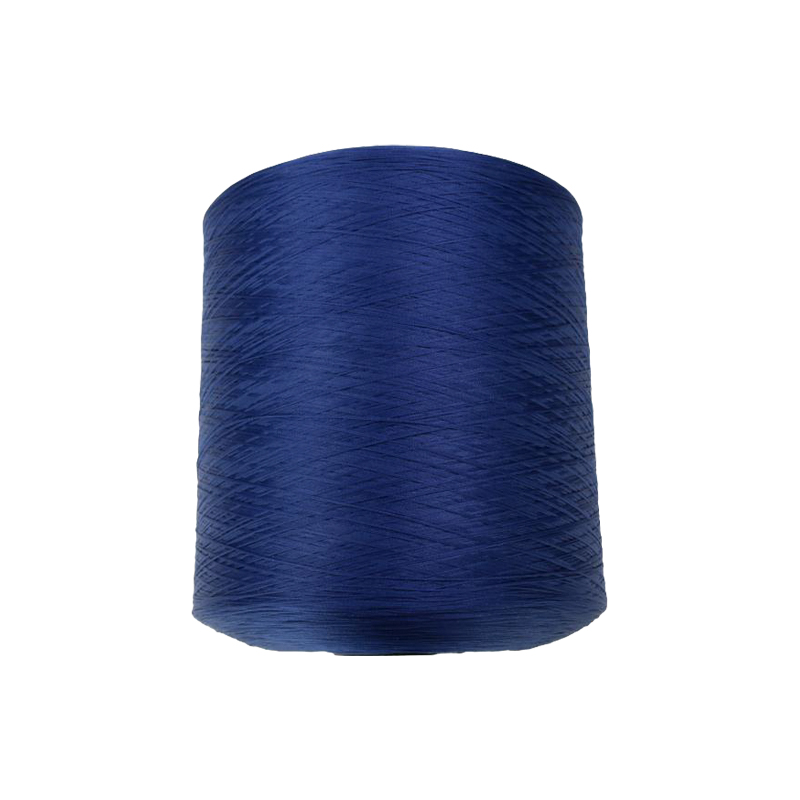 600D/288F Tear-Resistant Non-Deformable Polyester DTY YarnDesigned for high-stress uses like lifting straps, safety nets, and outdoor furniture, this yarn resists tearing and deformation, ensuring structural integrity and long-term reliability under severe conditions.View Product →
For applications where tear resistance and shape retention are critical, our 600D/288F tear-resistant, non-deformable polyester yarn offers a high degree of stability. It can be used in carpets, filtration media, and heavy industrial fabrics that must hold their structure under stress.
These examples show that the physical requirements for demanding textiles are not unique to the military market. Commercial buyers can specify similar performance characteristics without the domestic-sourcing requirement. Understanding the difference helps you make the right procurement decision: if a contract calls for Berry compliance, you must source from a U.S. producer; if not, you can take advantage of high-performance yarns from trusted global manufacturers.
Conclusion
Berry compliant is a strict, end-to-end domestic manufacturing standard for certain U.S. military purchases. It exists to protect the American industrial base and ensure reliable supply chains for defense needs. For anyone buying or selling textiles for government contracts, verifying Berry compliance is a critical step that requires careful documentation and audit.
For companies outside the U.S. — like ours — the Berry Amendment is not directly applicable. However, understanding the technical properties that military textiles demand helps us develop commercial yarns that meet similar performance levels. If you are sourcing high-strength polyester yarns for industrial or consumer products and do not need Berry compliance, we would be happy to discuss your requirements. Contact our team for more information about our yarn specifications and custom manufacturing capabilities.